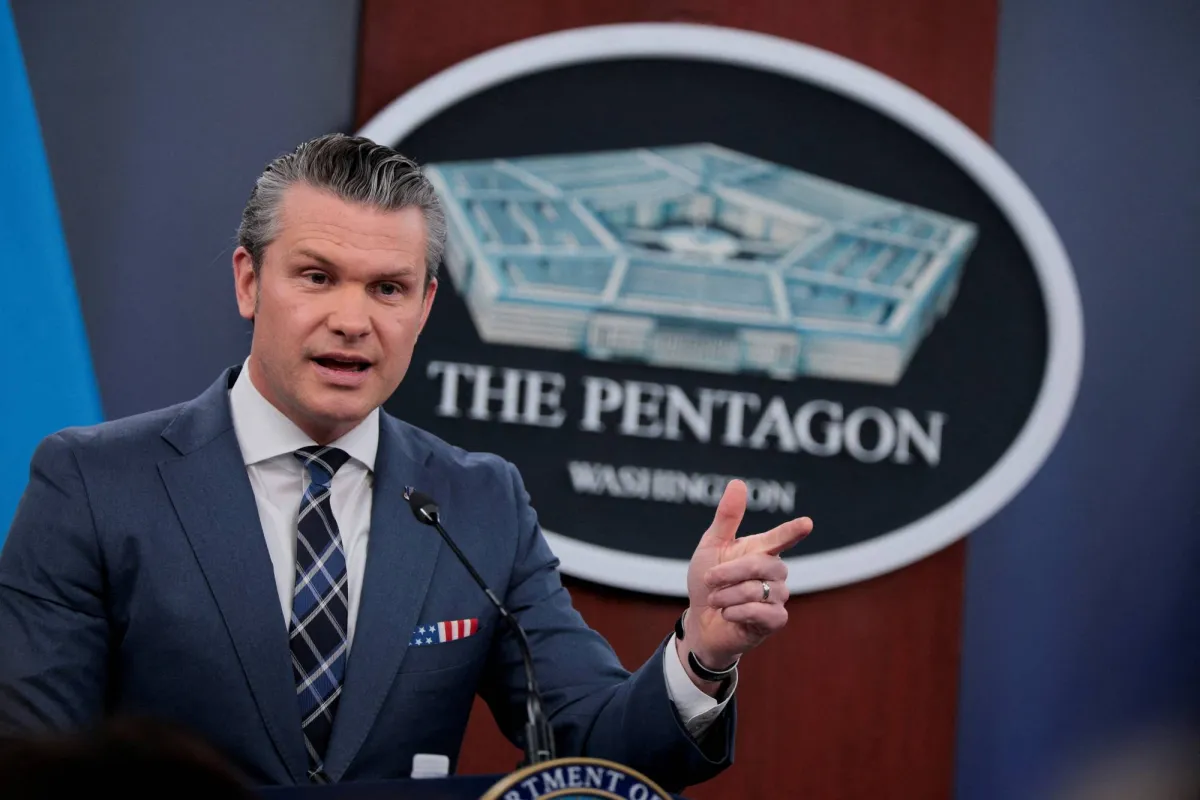
The legal confrontation between the New York Times and the U.S. Department of Defense (Pentagon) continues as both parties met before a federal judge on Monday to discuss the new conditions imposed by the department on accredited journalists. These conditions have sparked widespread controversy, especially after Judge Paul Friedman ruled them unconstitutional last March.
In a previous ruling, Judge Friedman ordered the cancellation of the restrictions imposed by the Pentagon in October on journalists, indicating that they contradicted the freedom of expression enshrined in the First Amendment of the U.S. Constitution. He also ordered the reinstatement of credentials for seven New York Times journalists who lost their credentials due to this policy.
Details of the Event
Despite the judge's ruling, the Department of Defense announced that it would appeal the decision and imposed new restrictions on journalists' access to the Pentagon. On March 30, the department closed a media area known as the “Reporters' Corridor”, requiring that any journalist wishing to enter the building be accompanied by authorized personnel from the department.
In response to these measures, the New York Times accused the government of ignoring Judge Friedman’s ruling and called for respect for the judgment. During the court session, one journalist provided written testimony stating that the department's media office informed him and his colleagues that they could access a new area in the Pentagon Library, but they faced difficulties reaching it due to the imposed restrictions.
Background & Context
This case arises amid ongoing tensions between the U.S. government and the media, as the Department of Defense seeks to exert greater control over the information circulated regarding military activities. Last October, the department issued directives to accredited journalists prohibiting them from requesting or publishing certain information without prior permission, which sparked widespread condemnation within journalistic circles.
These measures are seen as part of a broader policy aimed at curtailing press freedom, which contradicts the democratic principles that guarantee freedom of expression. This has raised concerns among many journalistic organizations that view these restrictions as a threat to journalists' ability to perform their work freely.
Impact & Consequences
If the Department of Defense continues to impose these restrictions, it could negatively affect the coverage of military and political events in the United States, limiting journalists' ability to access essential information. Furthermore, these measures could erode trust between the government and the media, which may adversely impact transparency and accountability.
Moreover, these policies could encourage other countries to adopt similar practices, threatening press freedom on a global scale. Under these circumstances, it becomes essential to unite efforts to protect journalists' rights and ensure freedom of expression.
Regional Significance
Press freedom is a vital issue in the Arab world, where many countries face significant challenges in this area. The ongoing events in the United States may inspire journalists in the region to resist restrictions imposed on freedom of expression and enhance their efforts to confront repressive policies.
This case also highlights the importance of supporting independent journalism in the Arab world, which can play a crucial role in promoting democracy and human rights. It is essential for the media to remain free and independent, allowing them to operate without fear of retaliation or restrictions.