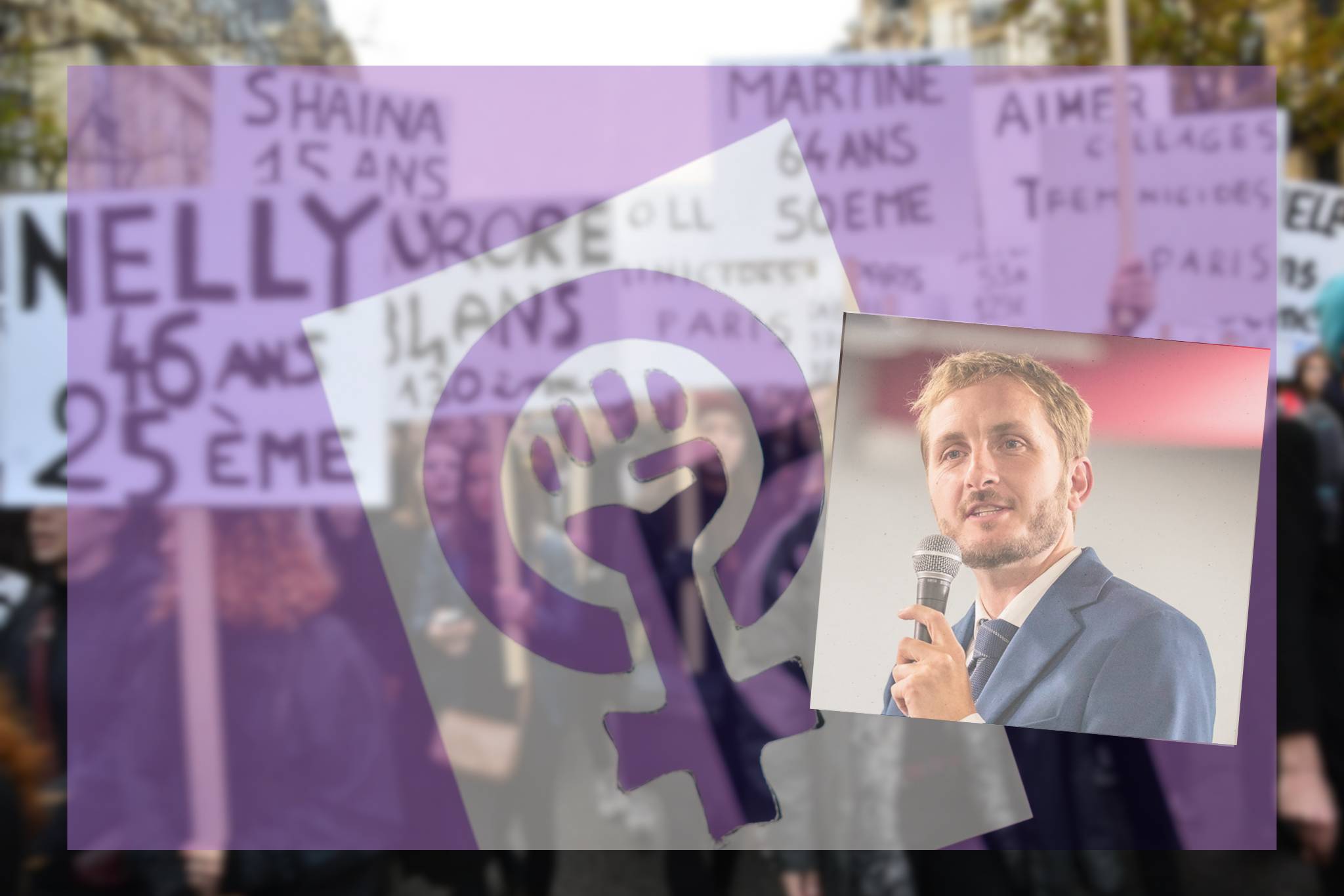
After losing the municipal elections to the current mayor of Toulouse, François Biquemal, the candidate from the leftist union list, announced a legal challenge accusing foreign digital interference that influenced the election results. This decision comes at a sensitive time as Biquemal seeks to prove that the elections were not fair and that there were external forces that intervened in the electoral process.
In the recent elections, Jean-Luc Moudinck, the outgoing mayor, managed to win again, which frustrated Biquemal, who believes that unfair factors contributed to this outcome. Biquemal also intends to file a criminal complaint against any party that may be responsible for these interferences.
Details of the Event
This step by Biquemal is part of a larger reaction to what he believes is a threat to local democracy. He pointed out that digital interferences could come from external entities aiming to influence the political process in France. This issue has sparked considerable controversy in political and media circles, with many questioning the extent of modern technology's impact on elections.
In recent years, many European countries, including France, have seen an increase in concerns regarding digital interferences, especially following the Cambridge Analytica scandal that affected the U.S. elections. This has led to growing calls for strengthening laws related to protecting elections from external interferences.
Background & Context
Historically, elections in France have been considered among the most honest in the world, but recent years have seen a rise in concerns about digital interferences. In 2017, the French presidential elections were subjected to hacking attempts by hackers linked to Russia, raising widespread concern about election security.
This issue is part of a broader discussion on how to protect democracy from digital threats. Studies have shown that many voters are concerned about misleading information that may affect their electoral decisions, increasing the importance of addressing these issues seriously.
Impact & Consequences
If Biquemal proves his allegations, it could lead to significant changes in how elections are organized in France. This case may require a comprehensive review of laws related to digital interferences, which could affect future elections. Additionally, this case could open the door for further investigations into how to protect elections from external threats.
Moreover, this case may affect public trust in the electoral process, potentially leading to increased skepticism among voters regarding the integrity of elections. If interferences are proven, it may necessitate strict actions against the responsible parties, whether local or international.
Regional Significance
The issue of digital interferences in elections is particularly significant for the Arab region, where many Arab countries have witnessed external interventions in their internal affairs. This case could serve as a lesson for Arab countries on the importance of protecting democracy from digital threats, especially in light of the political crises faced by some nations.
Furthermore, strengthening laws related to election protection could help build greater trust between voters and the political process, contributing to political stability in the region.
In conclusion, Biquemal's case highlights the challenges facing modern democracies in the age of technology. It is crucial to address these issues seriously to ensure the integrity of elections and protect voters' rights.