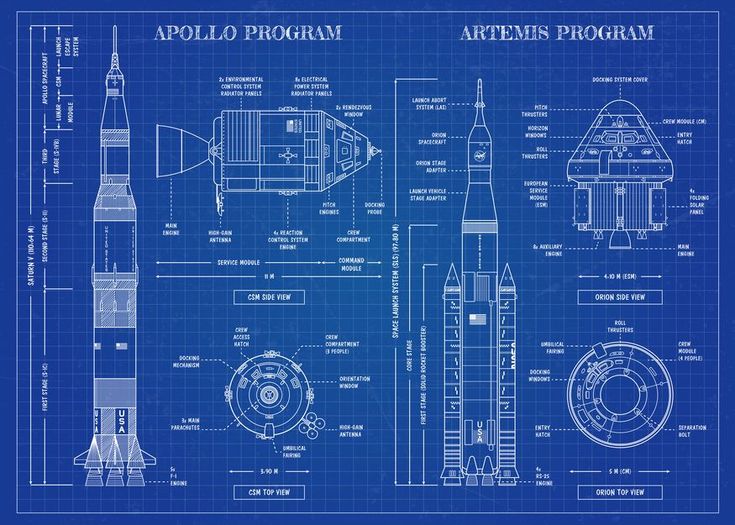
The new Artemis mission shares resources and technology with the historic Apollo project, as NASA aims to explore the Moon and Mars. This initiative is part of a broader effort to return humans to the Moon by 2024, with the goal of establishing a permanent base on the lunar surface.
Artemis is a significant part of NASA's ongoing efforts to bring humans back to the Moon by 2024, aiming to create a permanent base on the lunar surface. This mission benefits from the expertise and technologies developed during the Apollo program, which launched the first human to the Moon in 1969.
Event Details
The Artemis mission involves the use of advanced technologies across multiple fields, from spacecraft design to life support systems. The collaboration between teams working on both projects reflects the importance of knowledge and experience sharing in the field of space exploration.
The Artemis teams are located in the same facilities that were used by the Apollo teams, facilitating communication and the exchange of ideas. This collaboration embodies the innovative spirit that characterizes NASA, as the agency continually seeks to leverage past experiences to develop new missions.
Background & Context
The Apollo program is one of the most prominent space projects in human history, having launched the first human to the Moon in 1969. This mission significantly enhanced scientific understanding of space and opened new horizons for exploring other planets.
Decades later, NASA returns with the Artemis mission, which aims to explore both the Moon and Mars. This mission is not merely a re-exploration but aims to establish a permanent infrastructure on the Moon, paving the way for future missions to Mars.
Impact & Consequences
The success of the Artemis mission could have significant implications for the future of space exploration. The collaboration between different teams and the use of both old and new technologies can contribute to achieving ambitious goals, such as sending humans to Mars.
This mission may also enhance international cooperation in space, encouraging other countries to participate in joint projects, thereby fostering scientific and technical understanding in this vital field.
Regional Significance
For Arab countries, the success of the Artemis mission could open new avenues for cooperation in space. Arab nations could benefit from the technologies and knowledge gained from this mission to develop their own space programs.
Moreover, the increasing interest in space may encourage Arab youth to engage in science and technology fields, contributing to the development of local capabilities in these critical areas.
In conclusion, the Artemis mission represents a significant step in the history of space exploration, leveraging past experiences to open new horizons for the future. The collaboration between different teams and the use of both old and new technologies can contribute to achieving ambitious goals such as sending humans to Mars.