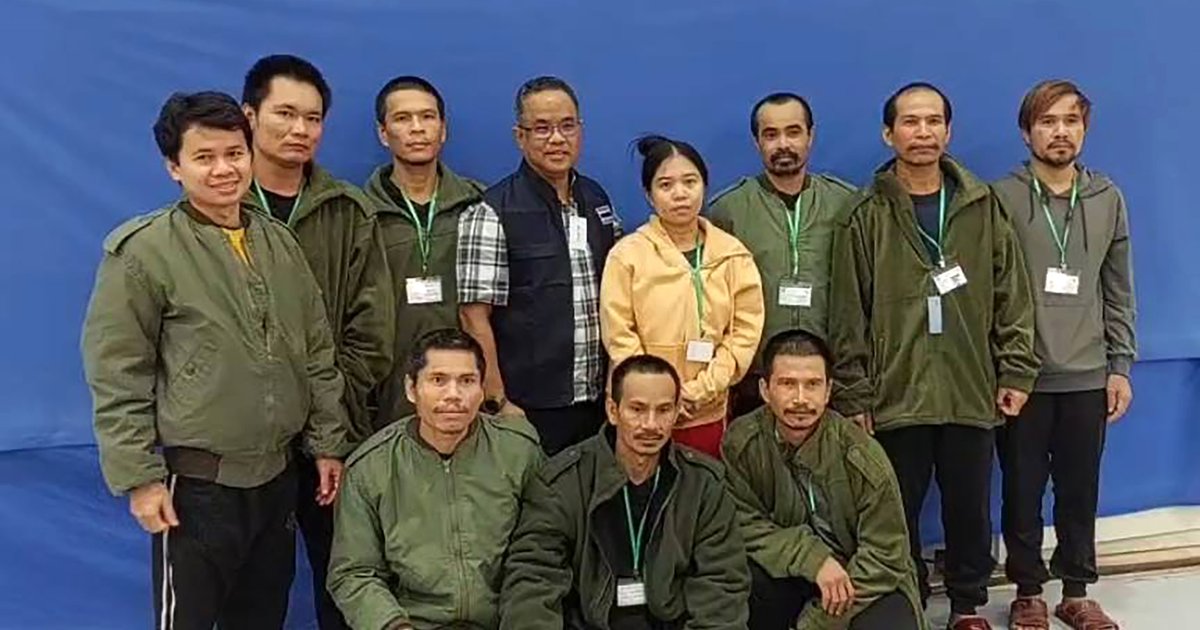
In a poignant scene, several freed prisoners reunited with their families outside a prison in Cuba after spending long years behind bars. These emotional moments reflect the profound impact of incarceration on individuals and their families, highlighting human rights issues in the country.
These prisoners were released as part of government efforts to improve human rights conditions, which has elicited mixed reactions from both local and international communities. Images circulated on social media depict touching scenes of reunion, where parents embraced their children after a long separation.
Details of the Event
This move comes at a sensitive time for Cuba, as the country faces increasing international pressure regarding its human rights record. The announcement of the prisoners' release followed a series of negotiations between the government and human rights organizations, reflecting the government's desire to enhance its image in the international community.
The list of released prisoners includes individuals who were detained for political reasons, raising questions about freedom of expression in Cuba. Some analysts have suggested that this step may be an attempt by the government to alleviate international pressure and improve relations with Western countries.
Background & Context
The history of human rights in Cuba is fraught with challenges, as many political activists have been arrested for their opinions. For decades, Cuba has faced criticism for suppressing basic freedoms, leading to increased calls for reform from the international community.
In recent years, Cuba has experienced political and economic changes, but human rights issues continue to pose a barrier to achieving real progress. The release of prisoners represents a positive step, but further efforts are needed to ensure the rights of all citizens.
Impact & Consequences
The release of prisoners could have significant implications for the political landscape in Cuba. It may increase pressure on the government to implement further reforms, especially amid rising calls from human rights organizations.
This step could also strengthen the government's position in the international community, potentially facilitating the resumption of relations with countries that had imposed sanctions on Cuba due to its human rights record. However, the question remains whether these steps are sufficient to achieve the desired change.
Regional Significance
Human rights issues in Cuba are relevant to many Arab countries, as some of these nations face similar challenges in the realm of human rights. The Cuban experience may offer lessons for Arab states on how to handle internal and external pressures.
Moreover, the political transformations in Cuba could inspire human rights movements in the region, raising awareness of the importance of basic freedoms. Monitoring developments in Cuba could be beneficial for Arab countries seeking to improve their human rights records.