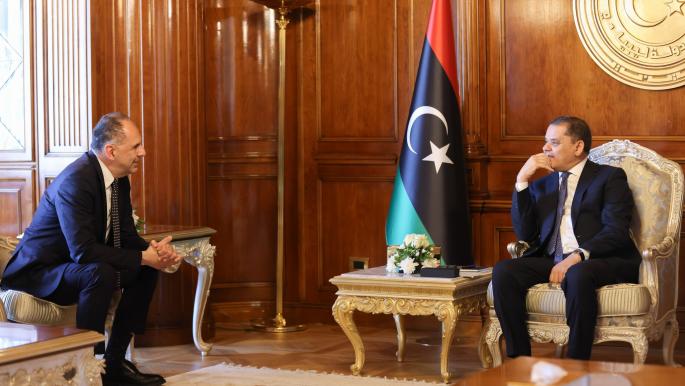
Libyan Prime Minister Abdul Hamid Dbeibeh discussed with Greek Foreign Minister Georgios Gerapetritis ways to activate the joint technical committee for maritime border demarcation between the two countries. These discussions are part of efforts to enhance bilateral cooperation and clarify maritime rights.
Both Libya and Greece seek to establish clear foundations for maritime border demarcation, a vital issue amid regional tensions related to marine resources. Dbeibeh emphasized the importance of this committee in strengthening relations between the two countries, especially given the challenges facing the region.
Details of the Meeting
The joint technical committee between Libya and Greece consists of a group of experts working on studying maritime maps and determining border points. This committee was formed under previous agreements between the two countries, aiming to achieve stability in the maritime area and enhance cooperation in energy and resource sectors.
During the meeting, the importance of cooperation in other areas such as trade and investment was highlighted, with both sides aiming to strengthen economic ties. Additionally, discussions included ways to enhance security cooperation to address common challenges in the region.
Background & Context
Historically, relations between Libya and Greece have experienced several fluctuations; however, recent years have seen a notable improvement. This is attributed to the urgent need for both countries to enhance cooperation in energy and marine resources. Furthermore, the geopolitical situation in the Mediterranean necessitates that concerned countries work together to avoid conflicts.
Maritime borders are a sensitive topic in international relations, where economic and political interests overlap. The region has previously witnessed disputes over gas and oil exploration rights, increasing the significance of these discussions between Libya and Greece.
Impact & Consequences
Activating the technical committee for maritime border demarcation could help reduce tensions in the region and enhance cooperation opportunities among Mediterranean coastal states. The success of this committee may pave the way for broader collaboration in other fields, such as energy and trade.
These steps are expected to improve the economic situation in both countries, as marine resources could contribute to growth and development. Additionally, security cooperation may assist in addressing common challenges such as illegal immigration and terrorism.
Regional Significance
The relationship between Libya and Greece serves as a model for regional cooperation that can contribute to stability in the Mediterranean region. If this committee succeeds in achieving its objectives, it may encourage other countries in the area to take similar steps to enhance cooperation across multiple domains.
Strengthening cooperation between Arab countries and European nations can contribute to sustainable development and enhance peace prospects in the region. This collaboration may also help bolster regional security and reduce potential conflicts over resources.