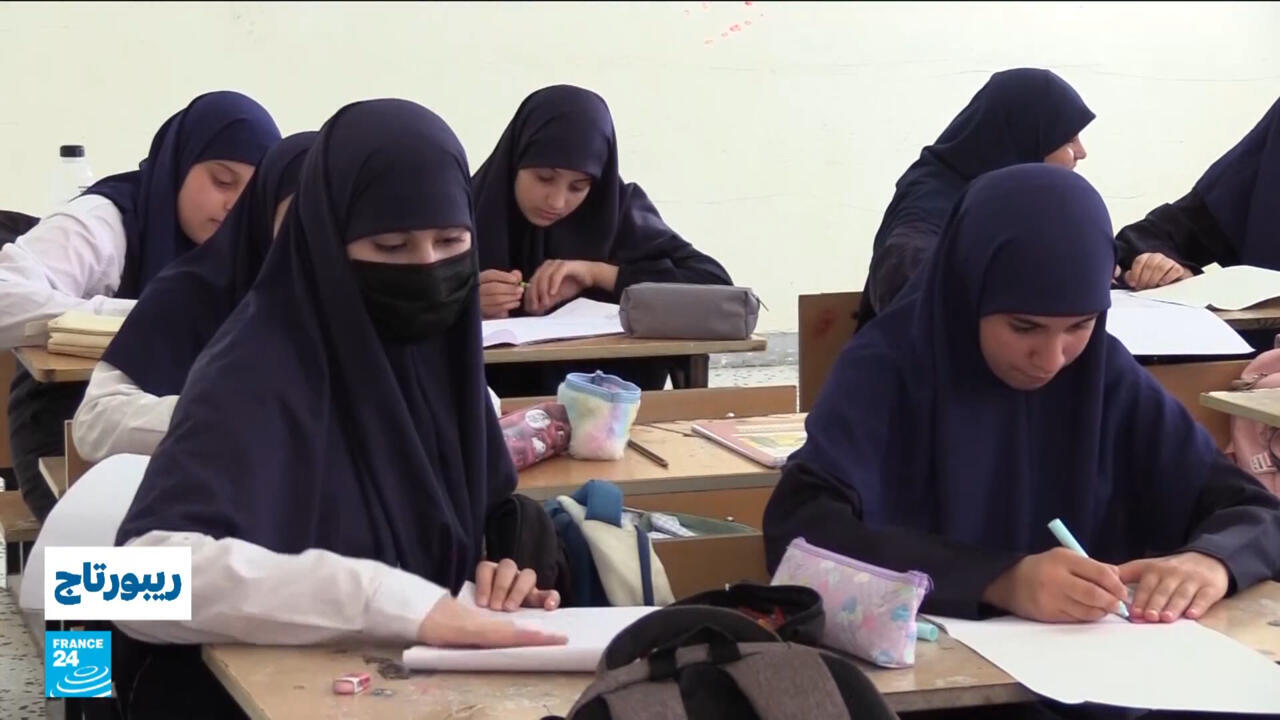
The Minister of Education in the National Unity Government, Mohamed Al-Garyou, has issued a new circular imposing regulations on educational institutions in Libya. These regulations aim to enhance religious and national values and regulate public behavior, following reports of violations in some private educational institutions, particularly international ones. This decision has elicited mixed reactions within Libyan society.
This initiative comes at a sensitive time for Libya, where officials are striving to improve the quality of education and ensure its alignment with societal values. The minister indicated that these regulations will help address behavioral deviations observed in certain schools, which could negatively impact the youth.
Details of the New Regulations
The circular issued by Al-Garyou includes a set of regulations that educational institutions must adhere to. These regulations encompass the promotion of religious and national education, as well as defining standards for the behavior of students and teachers. Additionally, the aim is to prevent any violations that could lead to the dissemination of ideas inconsistent with Libyan values. It has been emphasized that private schools must comply with these regulations to ensure educational quality.
Despite the stated objectives, this step has not garnered consensus among various segments of society. Some individuals believe that these regulations may restrict academic freedoms, while others see them as essential for protecting the cultural and religious identity of the country.
Background & Context
Historically, Libya has faced significant challenges in the education sector, especially following the revolution in 2011. The educational system has suffered several setbacks, impacting the quality of education and student performance. In recent years, international private schools have emerged, offering advanced educational programs, but some of these institutions have faced criticism for curriculum or behavioral violations.
The current Libyan government aims to rebuild trust in the educational system through the imposition of new regulations. This step is part of broader efforts to improve public services and promote national values within society.
Impact & Consequences
These new regulations could significantly affect the way education is delivered in Libya. If implemented effectively, they may lead to improved educational quality and the reinforcement of national values. However, there are concerns that these regulations could restrict academic freedoms, potentially hindering innovation and critical thinking among students.
Furthermore, this initiative may increase the divide between public and private schools, as private institutions may struggle to adapt to these new regulations. This could impact the educational choices available to Libyan families.
Regional Significance
This move in Libya is part of a broader trend in the Arab region towards reinforcing national and religious values in education. Other countries, such as Tunisia and Egypt, have also witnessed similar attempts to regulate education in line with cultural identity. These trends may influence how educational curricula are developed in other Arab nations.
Ultimately, these new regulations remain a topic of debate and discussion within Libyan society, as everyone seeks to achieve a balance between promoting values and protecting academic freedoms.