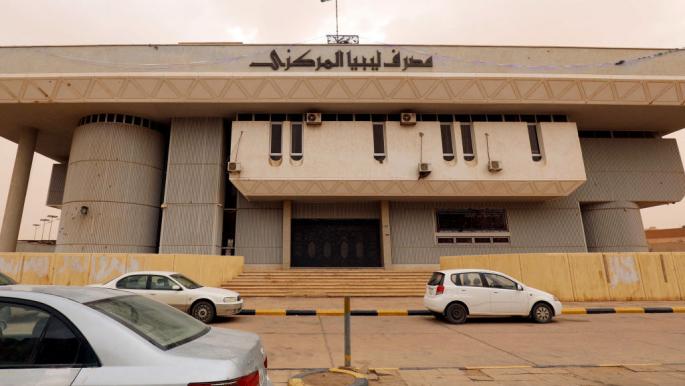
Libya has recorded a substantial rise in the amount of currency circulating outside the banking system, totaling approximately 59 billion Libyan dinars, equivalent to 9.25 billion dollars. This increase reflects ongoing economic challenges in the country, where the banking system suffers from numerous issues that have led to a decline in public trust.
These figures come at a time when Libya is experiencing political and economic instability, prompting many citizens to keep their money outside the banking system. According to reports, this trend reflects a lack of confidence in official financial institutions and complicates the economic situation in the country.
Details of the Event
Data indicates that the amount of cash circulating outside banks has seen significant growth in recent years, rising from 45 billion Libyan dinars in 2019 to 59 billion Libyan dinars currently. This increase represents about 30% over a short period, raising questions about the underlying reasons for this trend.
This rise is considered an indicator of the deteriorating economic situation in the country, as citizens prefer to keep their money in cash rather than deposit it in banks, which are struggling with liquidity shortages and an inability to meet customer needs. Additionally, political instability and the absence of effective economic reforms exacerbate this problem.
Background & Context
Historically, Libya has experienced significant economic fluctuations since the overthrow of Muammar Gaddafi's regime in 2011. Despite the country's vast oil wealth, political conflicts and internal divisions have led to a decline in economic and social conditions. In recent years, inflation and unemployment rates have risen, negatively impacting citizens' purchasing power.
Under these circumstances, cash circulating outside banks has become a safer option for many. However, this trend raises concerns about the potential stability of the Libyan economy in the future, as the increase in circulating cash could lead to exacerbated inflation and a decline in the value of the Libyan dinar.
Impact & Consequences
The increase in cash circulating outside banks is indicative of the proliferation of the informal economy, reflecting a decline in trust in the banking system. This situation could exacerbate economic crises, as increased liquidity in the market may lead to rising prices and greater inflation.
Moreover, this phenomenon could negatively affect the government's ability to implement necessary economic policies for stabilization. In the absence of effective reforms, this vicious cycle may continue, further complicating the economic situation in the country.
Regional Significance
The economic situation in Libya serves as a model for the crises faced by many Arab countries, reflecting the common challenges these nations encounter amid unstable political conditions. The increase in cash circulating outside banks in Libya could serve as a warning for other countries facing similar issues, necessitating serious steps to reform their financial systems and restore confidence in banking institutions.
Ultimately, the situation in Libya requires urgent attention from the international community, as economic and political stability in the country is not only in the interest of Libyans but also in the interest of the entire region.