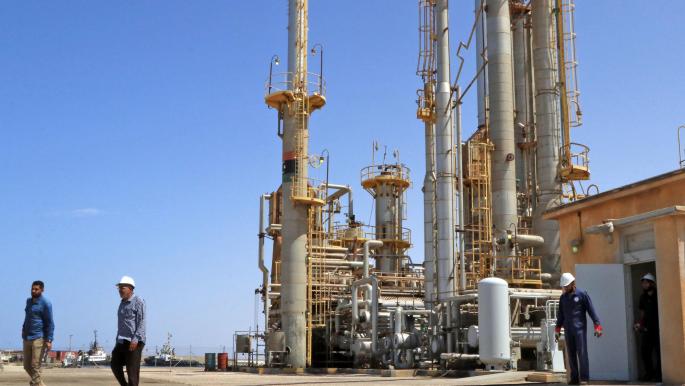
A meeting was held in Tunisia between the authorities of Benghazi and Tripoli, where discussions centered around the role of Libyan oil in addressing the global energy crisis. Through this meeting, the United States seeks to incorporate Libyan oil into broader strategies to confront the current challenges in the energy market.
Libya is considered one of the resource-rich countries, possessing significant reserves of oil and gas. As pressures on global energy markets increase, attention is turning to Libya as part of potential solutions to meet the rising energy demand.
Details of the Event
The Tunisia meeting came at a sensitive time, as many countries are suffering from rising energy prices due to geopolitical crises and climate changes. Libyan oil could represent one of the potential solutions to alleviate pressures on global markets.
Participants in the meeting discussed the importance of stabilizing oil production in Libya, which could contribute to enhancing energy security for consuming countries. The necessity for cooperation among Libyan parties to achieve this goal was also emphasized.
Background & Context
Historically, Libya has always attracted the attention of major powers due to its oil wealth. Since the overthrow of Muammar Gaddafi in 2011, the country has experienced internal conflicts that have led to a decline in oil production. Nevertheless, Libya remains one of the largest oil producers in Africa.
In recent years, the United States has attempted to rebuild its relationships with Libyan parties, aiming to achieve stability in the region. This meeting is part of broader American efforts to enhance cooperation in the energy sector.
Impact & Consequences
If the United States succeeds in integrating Libyan oil into its energy strategy, it could lead to significant changes in global energy markets. This may help reduce reliance on other traditional energy sources and strengthen Libya's ability to regain its position in the global market.
Moreover, stabilizing oil production in Libya could contribute to improving the economic conditions in the country, which may positively reflect on the social and political situation. However, internal challenges remain, which could affect Libya's ability to achieve these goals.
Regional Significance
Libya is considered an essential part of the energy equation in the Arab region. Any improvement in the Libyan oil situation could directly impact neighboring countries and enhance regional cooperation in the energy sector.
Furthermore, stabilizing Libya could bolster regional security, potentially leading to improved relations among Arab nations. In light of the challenges facing the region, hopes remain pinned on achieving long-term stability.
The meeting held in Tunisia between the authorities of Benghazi and Tripoli represents an important step towards achieving stability in Libya and reflects new American directions in managing the global energy crisis. It remains to be seen how things will develop in the future and whether these efforts will bear fruit.