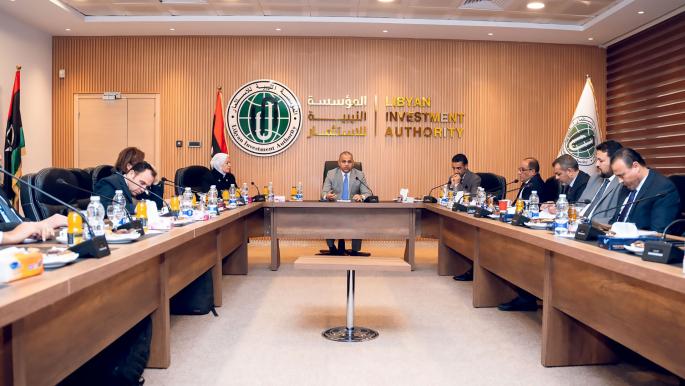
The Libyan Sovereign Fund welcomed today, Sunday, the document from the UN Security Council clarifying that the freezing of Libyan assets abroad is considered a protective measure rather than a sanction. This clarification is seen as a positive step in supporting the Libyan economy and enhancing confidence in international financial institutions.
This move comes at a time when Libya is grappling with major economic challenges, as the government seeks to improve its financial situation and attract foreign investments. The Sovereign Fund emphasized that this clarification from the Security Council strengthens Libya's position on the international stage.
Details of the Event
The freezing of Libyan assets abroad has been a contentious issue, with some parties considering this measure as sanctions against the Libyan people. However, the recent document from the Security Council clarifies that the aim of this freezing is to protect Libyan assets from any unlawful exploitation.
This clarification followed a series of meetings between Libyan officials and representatives of the international community, where the importance of safeguarding Libyan assets from any threats was emphasized. The Libyan Sovereign Fund, regarded as one of the largest sovereign funds in the world, is striving to regain confidence in its investments.
Background & Context
Historically, Libyan assets abroad were frozen following the Libyan revolution in 2011, as measures were taken by the international community to prevent the former regime from accessing these assets. Since then, the Libyan government has been working to recover these assets and bolster the national economy.
Over the years, Libya has faced significant challenges in rebuilding its economy, particularly amid political and economic conflicts. This clarification from the Security Council is considered a step towards improving the country's financial situation and reflects the international community's commitment to supporting Libya on its path to stability.
Impact & Consequences
The affirmation that the asset freezing is for protection rather than sanctions could open the door for new investments in Libya. It may also strengthen the Libyan government's position in negotiations with other countries regarding the recovery of frozen assets.
This clarification is expected to improve relations between Libya and the international community, potentially leading to increased financial and technical support for the country. Furthermore, this could enhance investor confidence in the Libyan market, helping to drive economic growth.
Regional Significance
This event is significant not only for Libya but for the entire Arab region. The stability of Libya is considered a key element in the stability of North Africa. If Libya can recover its assets and strengthen its economy, it may contribute to improving the economic situation in neighboring countries.
Moreover, Libya's success in this area could serve as a model for other countries facing similar challenges, fostering regional cooperation and contributing to sustainable development in the region.
In conclusion, this clarification from the UN Security Council highlights the importance of international cooperation in supporting countries undergoing transitional phases. Protecting Libyan assets is a step towards building a better future for the Libyan people and enhancing stability in the region.