Renewed calls against foreign military presence have emerged in Libya, coinciding with the anniversary of the British forces' withdrawal from one of the military bases in the eastern part of the country on March 28, 1970. This comes at a time when the country has been suffering from a severe political and military division since 2011, with ongoing foreign military presence, particularly from Russia and Turkey, alongside elements of mercenaries.
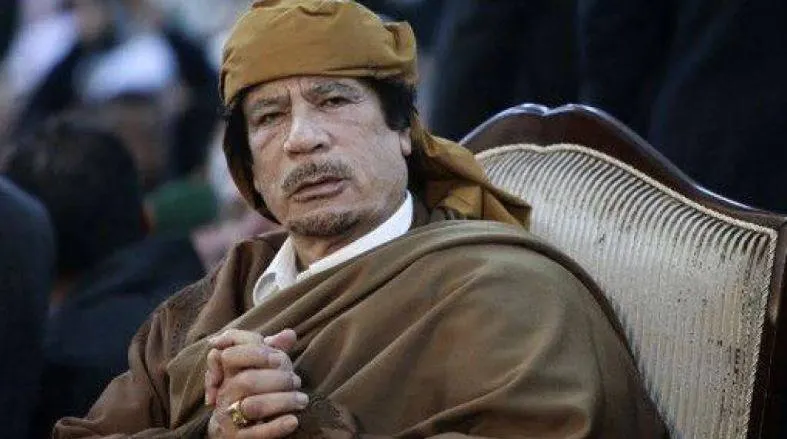
The anniversary of the British forces' withdrawal dates back to 1970, when the new authorities, following the rise of the late Colonel Muammar Gaddafi to power after the "September 1 Revolution," began closing foreign military bases. Subsequently, the last British soldier left the "Al-Adem" base near Tabruk, after negotiations that began in late 1969, followed by the withdrawal of American forces from the "Welles" base, later known as "Mitiga."
Details of the Event
On this anniversary, many politicians, rights activists, and tribal leaders expressed their disapproval of the ongoing foreign presence, voicing their rejection of this presence through posts on social media. This scene reflects a historical paradox between a past celebrated for "regaining sovereignty" and a present burdened by external interventions.
Ajami Al-Atyri, commander of the "Abu Bakr Al-Siddiq" brigade, seized this anniversary to emphasize his regret over what he considers the "return of foreign bases," accusing political parties of bringing colonialism back. He pointed out what the anniversary of the withdrawal of foreign bases represents as a source of pride for Libyans.
For his part, Ahmed Hamza, head of the "National Human Rights Foundation in Libya," combined "pride in a glorious national memory" with "sorrow over the return of foreign bases and mercenaries," attributing this to negative interventions from regional countries in Libyan affairs.
Background & Context
Since the overthrow of Colonel Gaddafi's regime in 2011, Libya has turned into a battleground for regional and international influence, where repeated UN reports have documented the presence of foreign forces and mercenaries. The invocation of this anniversary in contemporary Libyan discourse reflects a state of "sovereign nostalgia," where national occasions, such as Independence Day and the anniversary of the withdrawal, are used to express rejection of division and foreign interventions.
In the western part of the country, Turkish forces have spread, arriving under a security agreement with the previous "Government of National Accord" at the end of 2019, including military advisors and air defense systems, in addition to Syrian mercenaries transferred during the war on Tripoli (2019-2020). In the east and south, UN reports have indicated the presence of elements known as the "Russian Legion," in addition to armed foreign groups from African countries.
Impact & Consequences
Despite the ceasefire agreement signed in October 2020, which stipulated the withdrawal of all foreign forces within 90 days, this clause has not yet been implemented. The general mood in Libya reflects a long legacy of hostility against Western colonialism, contributing to a clear sensitivity towards any foreign presence on Libyan soil.
Libyan political researcher Alam Al-Falah believes that the positions expressed on the anniversary of the withdrawal reflect a national project that enjoys a wide degree of consensus, based on rejecting the presence of any non-Libyan forces within the country. He points out that "the return of this presence since 2011 has reactivated this rejection at both the popular and political levels on every occasion related to national celebrations that align with this context."
Regional Significance
While Libyan parties differ in their political and military alliances, the demand to "end foreign presence" remains a common point in the public discourse, although achieving it is contingent upon a comprehensive political settlement that has yet to materialize. These events in Libya reflect a growing national awareness, as citizens seek to regain their sovereignty and reject foreign interventions.
In conclusion, the anniversary of the withdrawal of British forces in Libya remains a symbol of resistance against colonialism and a reminder of the importance of national sovereignty at a time when political and security challenges in the country are increasing.