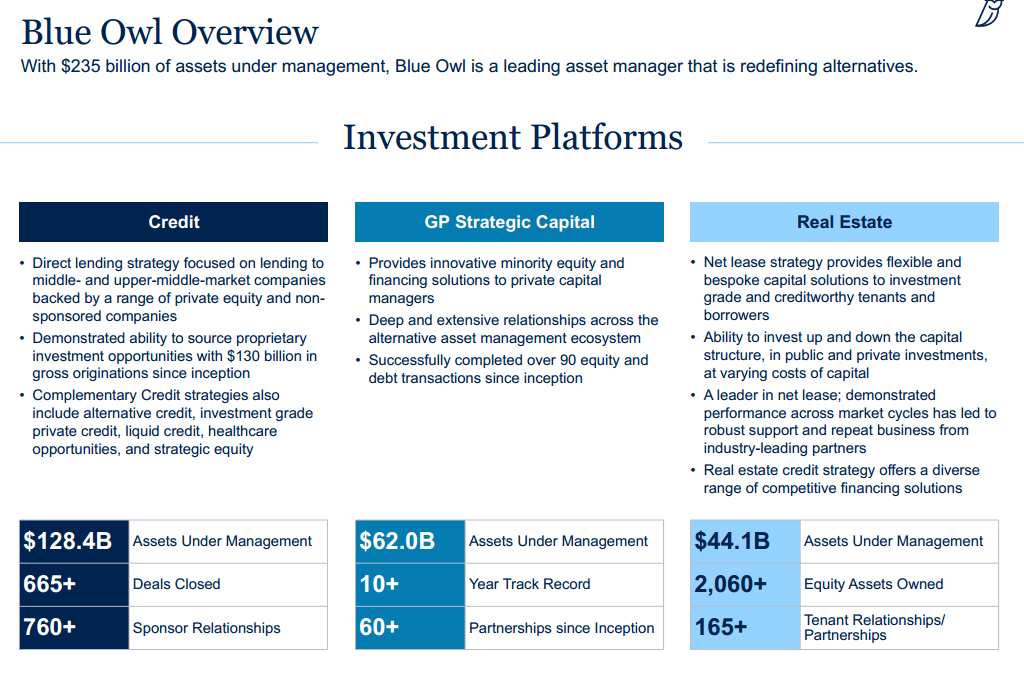
Blue Oil Capital has announced that it will limit withdrawals from two of its private credit funds following an unprecedented increase in withdrawal requests. This move comes at a time when the $1.8 trillion private credit market is under significant pressure, raising questions about the stability of this vital sector.
This action by Blue Oil Capital, one of the leading companies in this field, is a sign of the increasing challenges faced by private credit funds. The company has seen a notable rise in withdrawal requests from its investors, prompting it to take measures to curb these withdrawals.
Details of the Event
These developments come at a sensitive time for private credit funds, as many companies seek to manage financial liquidity more effectively. Financial analyst Alison McNeely has confirmed that the current pressures on private credit funds reflect a state of uncertainty in global financial markets.
The measures taken by Blue Oil Capital include setting a specific cap on withdrawals, meaning that investors may face difficulties in accessing their funds when they need them. This step could lead to a loss of confidence among investors, which may negatively impact cash flows into private credit funds in the future.
Background & Context
Historically, the private credit market has seen significant growth over the past years, attracting substantial investments from individuals and companies. However, with the increasing global economic pressures, including rising interest rates and inflation, signs of weakness in this sector have begun to emerge.
Private credit funds are financial instruments that provide alternative financing for companies and are often less regulated compared to traditional financial markets. Nevertheless, the current pressures may lead to a reevaluation of the role these funds play in the global financial system.
Impact & Consequences
These developments could have far-reaching implications for the financial market. If pressures on private credit funds continue, we may witness a decline in investments in this sector, which could affect companies that rely on these funds to expand their operations or meet their financial needs.
Moreover, these conditions may lead to increased financial volatility as investors seek to reassess the risks of their investments. If these trends persist, we may see changes in financial policies from governments and central banks in an attempt to support the markets.
Regional Significance
Considering the impact of these events on the Arab region, many countries rely on foreign direct investments and private credit funds to finance their development projects. If pressures on these funds continue, the flow of investments into the region may be affected, potentially hindering economic growth.
Furthermore, these conditions could lead to an increase in borrowing costs, which may impact small and medium-sized enterprises in the region, which are considered the backbone of Arab economies.
In conclusion, investors and companies in the Arab region should closely monitor developments in the private credit market, as any changes in this sector could directly affect their investments and businesses.