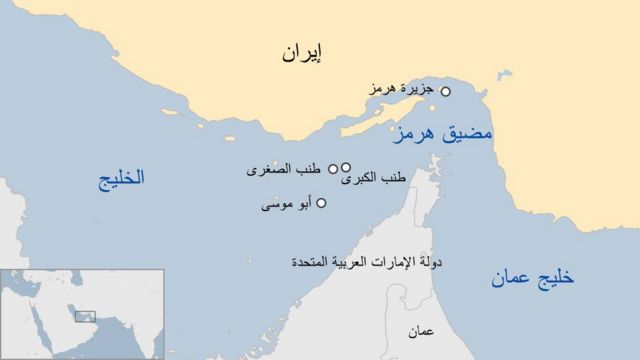
On Sunday, March 23, two gas tankers and an oil tanker successfully crossed the Hormuz Strait, indicating that maritime traffic continues despite rising military tensions in the area. This crossing occurred through a narrow passage near the Iranian coast, reflecting the imposed navigation restrictions and a decline in commercial activity in one of the world's most crucial maritime corridors.
According to maritime data from the specialized platform "MarineTraffic," the vessels that crossed the strait included the Indian liquefied gas tankers "Pine Gas" and "Jag Vasant," along with the oil tanker "Bright Gold," which flies the Panamanian flag and is operated by a Chinese company. The data showed that "Bright Gold" listed "China Owner" in its destination field, indicating a close connection to China.
Details of the Event
The data indicates that ship movement through the Hormuz Strait remains extremely limited, as ongoing navigation restrictions continue to impact trade flow. Reuters reported on March 20 that the two Indian tankers were preparing to cross the strait after a temporary halt, reflecting a state of uncertainty in the region.
In this context, Ali Mousavi, Iran's representative to the International Maritime Organization, stated that the Hormuz Strait is open for all ships except those belonging to Iran's adversaries. He confirmed that the Islamic Republic of Iran is prepared to facilitate the passage of vessels, provided that this process is coordinated.
Background & Context
Historically, the Hormuz Strait is considered one of the most important waterways in the world, through which approximately 20% of the world's total oil passes. The strait has witnessed increasing tensions in recent years, particularly with the escalation of hostilities between Iran and the United States. These tensions have heightened concerns among insurance companies, adversely affecting commercial shipping.
Under these circumstances, the UK Maritime Trade Operations (UKMTO) confirmed that commercial traffic through the strait remains limited and called on the International Maritime Organization (IMO) to establish a framework that ensures the safe passage of commercial vessels and does not hinder navigation.
Impact & Consequences
Statements from Iranian Foreign Minister Abbas Araghchi underscore Tehran's rejection of American pressures, asserting that the Hormuz Strait remains open. He indicated that the decline in shipping traffic is due to insurance companies' concerns rather than an actual closure of the strait. These statements come at a time when mutual threats between Washington and Tehran regarding maritime security in the region are intensifying.
The potential consequences of these tensions could impact global oil prices, as any escalation in the region may lead to price increases due to fears of supply disruptions. Additionally, the continued navigation restrictions may enhance uncertainty in global markets.
Regional Significance
The Arabian Gulf region is considered one of the most sensitive areas in the world, where economic and political interests intersect. Any escalation in military tensions could have negative effects on Arab economies, especially those reliant on oil exports. Furthermore, ongoing instability may affect regional security, necessitating greater coordination among Arab nations to address common challenges.
In conclusion, the Hormuz Strait remains a key hub for global trade, and any changes in the security situation could significantly impact maritime traffic and trade in the region.