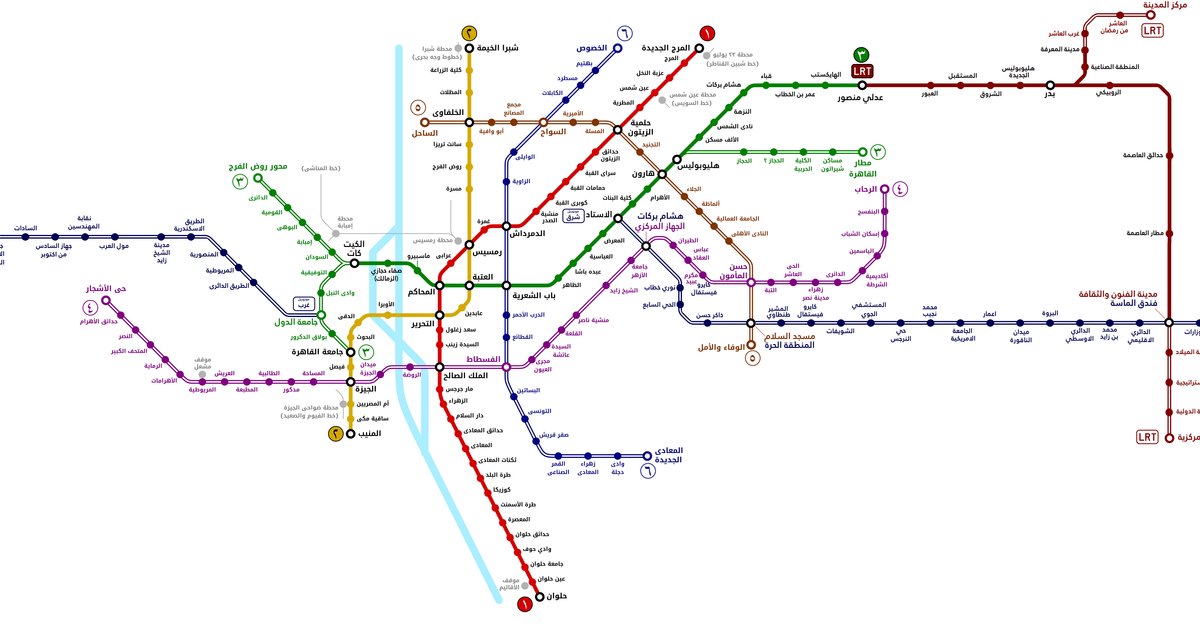
Official sources report limited delays in Cairo's metro services due to adverse weather conditions affecting the country. These delays have impacted transportation in the capital, prompting many passengers to seek alternative options.
Egypt is currently experiencing weather fluctuations, with some areas facing heavy rains and strong winds, leading to noticeable effects on public transport, including the metro. The National Authority for Tunnels confirmed that delays do not exceed 10 minutes on some lines, but they have caused significant congestion within the stations.
Details of the Event
The authority clarified that the delays were a result of unstable weather conditions, and precautionary measures were taken to ensure passenger safety. Additionally, work teams at the stations have been reinforced to assist passengers and provide necessary information regarding train schedules.
On the other hand, the authority confirmed that all lines are operating at full capacity, and the delays do not affect all lines equally. However, passengers may feel anxious due to the congestion and delays.
Background & Context
The metro services in Cairo are considered one of the most important public transport means, serving millions of passengers daily. This service has seen numerous improvements and expansions in recent years, contributing to alleviating traffic congestion in the capital.
However, adverse weather conditions can significantly impact these services, as seen in the past when heavy rains occasionally halted operations. Therefore, the National Authority for Tunnels is always working to improve infrastructure and prepare for such challenges.
Impact & Consequences
The impact of the delays on passengers can be substantial, especially during peak hours. Many passengers face difficulties reaching their destinations on time, which can affect their daily commitments, whether work or study.
These delays may also increase pressure on alternative transport means, such as buses and taxis, potentially worsening traffic congestion on the streets. Thus, it is crucial to have effective emergency plans to handle such circumstances.
Regional Significance
Many Arab countries are experiencing similar weather fluctuations, raising questions about how these nations are prepared to face such challenges. With the increasing severity of climate change, it is essential for countries to adopt effective strategies to improve public transport infrastructure.
Experiences from other countries in dealing with adverse weather conditions may be beneficial for Egypt and other Arab nations. Regional cooperation in transport and infrastructure can contribute to improving services and mitigating the negative impact of weather conditions.
In conclusion, the metro services in Cairo remain a fundamental pillar of the public transport system, and relevant authorities must continue to improve and develop them to face future challenges.