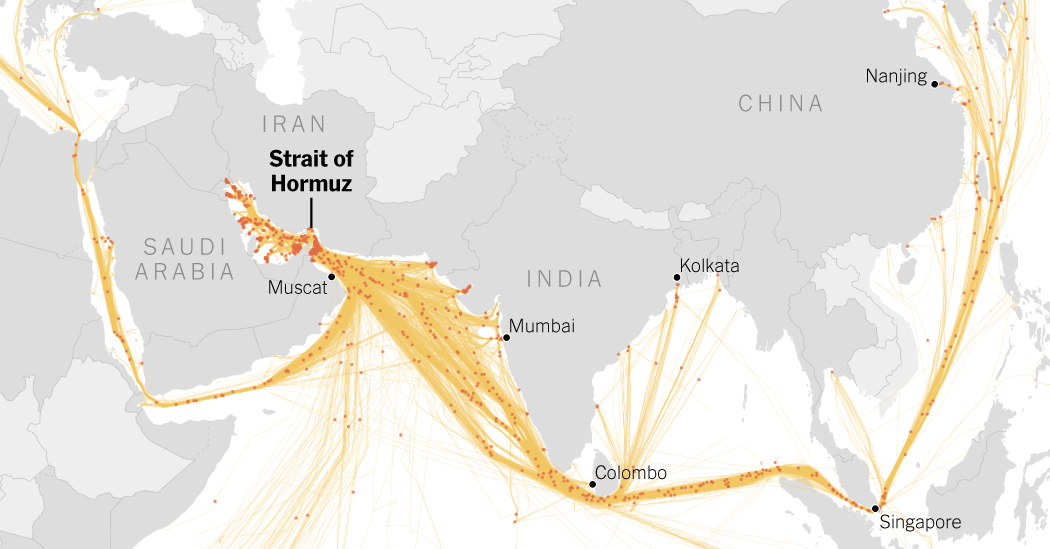
The Hormuz Strait, one of the most critical maritime corridors in the world, has experienced a partial improvement in navigation, with two liquefied petroleum gas tankers successfully crossing towards India. This development reflects a limited easing of the restrictions imposed by the ongoing conflict, which had led to a near-total halt in shipping activities in recent weeks.
According to maritime data, the crossings occurred after Iran permitted the passage of "non-hostile" vessels, allowing for a partial resumption of flows. This comes at a time when India, as the world's second-largest importer of liquefied natural gas, is gradually working to unload its stranded shipments, managing to transfer some cargoes despite the presence of other vessels stuck within the Gulf.
Details of the Event
Geo News reported from Karachi that Iran also allowed the passage of two ships heading to Pakistan, which had been stranded for nearly a month since the outbreak of the war. The vessel "Multan" belonging to the Pakistan National Shipping Corporation, along with the chartered ship "P. Eleni," managed to leave the strait, with the latter carrying approximately 85 million liters of crude oil. This move reflects the beginning of easing pressure on supplies heading to South Asia.
Despite these positive developments, security risks remain, as ships continue to accumulate in the area. Data indicates that the reopening of the maritime corridor is occurring gradually, under strict arrangements, keeping energy flows hostage to field developments.
Background & Context
The Hormuz Strait is a vital point for energy transportation, through which about 20% of global oil supplies pass. Since the outbreak of conflict in the region, shipping activities have faced significant challenges, impacting global energy supplies. The war in the area has increased security risks, prompting energy-importing countries to seek alternatives to secure their needs.
India and Pakistan, as countries that each rely on gas and oil supplies, face significant challenges in securing their energy needs. India, in particular, is striving to reduce its dependence on traditional energy sources, making the securing of liquefied natural gas supplies vital.
Impact & Consequences
The impact of these movements on global markets may be limited at present; however, the resumption of shipping through the Hormuz Strait could help alleviate price pressures. If Iran continues to allow the passage of vessels, we may witness an improvement in energy supplies to Asian markets.
On the other hand, the ongoing security risks could lead to price fluctuations, keeping energy-importing countries in a state of constant alert. Furthermore, any escalation in the conflict could return the situation to square one, negatively affecting shipping activities.
Regional Significance
The Arab region is a crucial part of the global energy supply chain, and any changes in shipping movements through the Hormuz Strait directly affect Arab countries. Gulf states, which heavily rely on oil exports, may face new challenges if tensions in the region persist.
In conclusion, the situation in the Hormuz Strait remains under close observation, as any new developments could impact global energy markets, making it essential to monitor events closely.