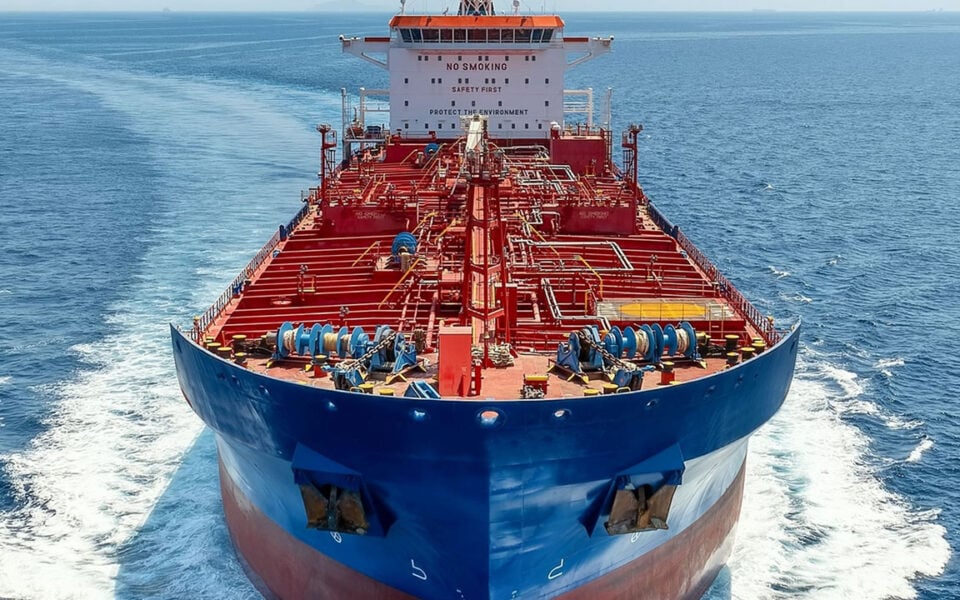
The Strait of Hormuz, considered one of the most important maritime passages in the world, has experienced a limited improvement in ship traffic over the past few days. Despite this improvement, political and military tensions in the region continue to affect navigation.
Maritime traffic in the Strait of Hormuz is vital, as approximately 20% of the total oil transported by sea passes through it. Recent events in the region, including tensions between Iran and the United States, have impacted the stability of this traffic.
Details of the Event
According to reports, the number of ships transiting the strait has increased by up to 10% compared to previous months. This improvement follows a period of noticeable decline due to security threats and concerns over piracy.
Measures taken to enhance security in the strait include increased naval patrols and cooperation among the concerned countries. Additionally, coordination among the naval forces of major countries has been strengthened to ensure safe navigation.
Background & Context
The Strait of Hormuz is a strategic crossing point for oil and gas and has historically witnessed tensions among the surrounding countries. In recent years, these tensions have escalated due to regional disputes and threats from armed groups.
In 2019, the strait experienced several incidents related to attacks on oil tankers, leading to heightened fears of supply disruptions. However, the current improvement reflects increasing international efforts to ensure safe navigation.
Impact & Consequences
The improvement in shipping traffic in the Strait of Hormuz is a positive indicator for the global economy, as many countries rely on oil supplies from this region. However, the continuation of tensions could negatively impact this improvement.
The current situation requires careful monitoring by the concerned countries, as any escalation could lead to adverse effects on oil prices and global markets.
Regional Significance
Shipping traffic in the Strait of Hormuz directly affects Arab countries, especially those that rely on oil as a primary source of revenue. The improvement in navigation may contribute to price stability and enhance economic growth in the region.
In conclusion, the Strait of Hormuz remains a pivotal point in global politics and economics, and the current improvement in shipping traffic reflects ongoing efforts to ensure security and stability in this vital area.