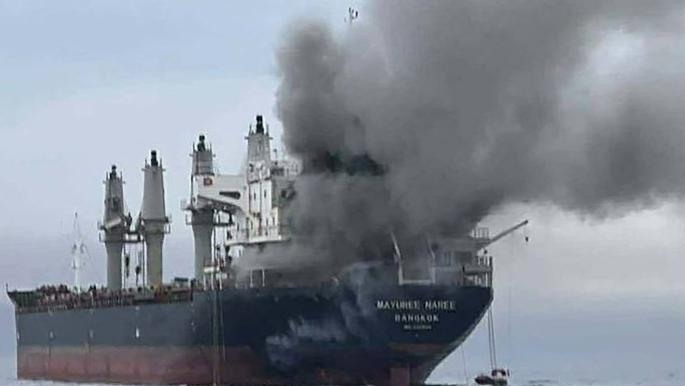
Traffic in the Hormuz Strait, one of the world's most important waterways, has significantly decreased, with only four ships crossing the narrow northern route near Iran. This decline in movement comes at a sensitive time, as fears grow over the geopolitical tensions affecting the safety of energy tanker passage.
The Hormuz Strait is a vital transit point for oil and natural gas, with approximately 20% of global oil exports passing through it. However, current conditions indicate that significant challenges are facing navigation, including jamming and incomplete tracking, complicating shipping operations.
Details of the Event
According to reports, ship traffic in the Hormuz Strait has notably declined, with only four ships observed crossing recently. This downturn is believed to be due to several factors, including political tensions in the region, as well as concerns over potential piracy or attacks on oil tankers.
These vessels are following a narrow route near the Iranian coasts, which increases the risks associated with crossing. At the same time, some countries are enhancing their military presence in the region to ensure the safety of energy tanker passage, reflecting the importance of this waterway for the global economy.
Background & Context
The Hormuz Strait, which stretches between Iran and Oman, is one of the world's most significant waterways, linking the Arabian Gulf to the Sea of Oman. Historically, the strait has witnessed numerous crises and tensions, from the Iran-Iraq War to the current disputes between Iran and the United States.
In recent years, tensions in the region have escalated, impacting navigation. The area has seen several incidents related to attacks on oil tankers, leading to increased concerns among shipping companies and investors.
Impact & Consequences
The decline in navigation in the Hormuz Strait could have significant implications for global oil prices. Any disruption in this vital corridor could lead to rising oil prices, affecting global economies, especially those heavily reliant on oil imports.
Moreover, this situation could heighten tensions between major powers in the region, as each seeks to bolster its influence and ensure the safety of its economic interests. The continuation of this state may prompt some countries to take military or diplomatic actions to guarantee the safety of energy tanker passage.
Regional Significance
Considering the potential impact on the Arab region, the decline in navigation in the Hormuz Strait could directly affect Gulf countries that rely on oil exports. Any increase in oil prices due to navigation tensions could negatively impact the economies of these countries, increasing economic pressures.
Furthermore, the ongoing tensions in the region may exacerbate political and economic crises, necessitating international interventions to ensure regional stability. Under these circumstances, the future of navigation in the Hormuz Strait remains a significant concern for all stakeholders involved.