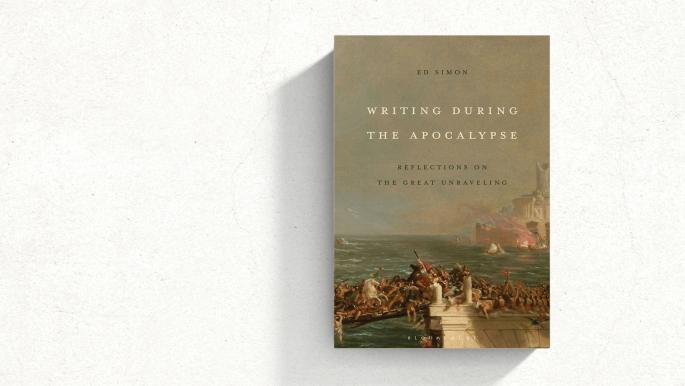
In the face of increasing global crises, including wars, pandemics, and climate change, the role of literature emerges as a vital means of providing individuals with the meaning necessary for adaptation and survival. This is the premise put forth by American critic Ed Simon in his new book, where he asserts that literature can serve as a refuge for the human spirit during times of hardship.
Simon bases his analysis on a range of historical and literary examples that demonstrate how literature has contributed to shaping collective consciousness and offering hope during crises. By narrating human stories, literature can create bridges of communication between individuals, enhancing their ability to confront challenges.
Overview of the Book's Content
The book reviews a collection of literary works that address themes of wars and pandemics, such as novels from World War II and writings by authors who experienced epidemics. Simon points out that these works are not merely stories; they are human experiences reflecting the internal and external conflicts faced by individuals.
Moreover, the book discusses the impact of literature on societies and how it can contribute to shaping cultural identity during crises. Through the analysis of literary texts, Simon reveals how literature can be a tool for social and political change.
Historical Context and Background
The history of literature is filled with works that emerged during times of crisis. For instance, during the American Civil War, many writers documented their struggles and hopes, contributing to the formation of national consciousness. In modern times, literature continues to play an important role in expressing social and political issues.
In recent years, there has been an increase in the number of books addressing topics such as climate change and pandemics, reflecting the growing concern among writers and intellectuals about the future of humanity. These works highlight the importance of literature as a means of expressing emotions and thoughts during difficult times.
Consequences and Effects of Literature
Studies show that literature can have positive effects on individuals' mental health, especially during crises. Reading and writing can help individuals process their feelings and express their experiences, contributing to enhanced psychological well-being.
Furthermore, literature can play a role in promoting social solidarity, bringing together individuals from diverse backgrounds around common themes. Through reading literary works, people can learn about the experiences of others, fostering a spirit of empathy and understanding.
Significance for the Arab Region
In the Arab region, where many countries suffer from conflicts and wars, literature plays a crucial role in expressing suffering and hope. Arab writers use their writings to shed light on social and political issues, helping to shape public awareness.
Many Arabic novels illustrate how literature can be a tool for change, reflecting people's experiences in facing crises. Through these works, readers can understand the challenges facing their communities, enhancing their resilience.
In conclusion, Ed Simon emphasizes the importance of literature as a means of survival during crises. In a world filled with challenges, literature remains a beacon of hope and meaning, helping individuals confront and overcome difficulties.