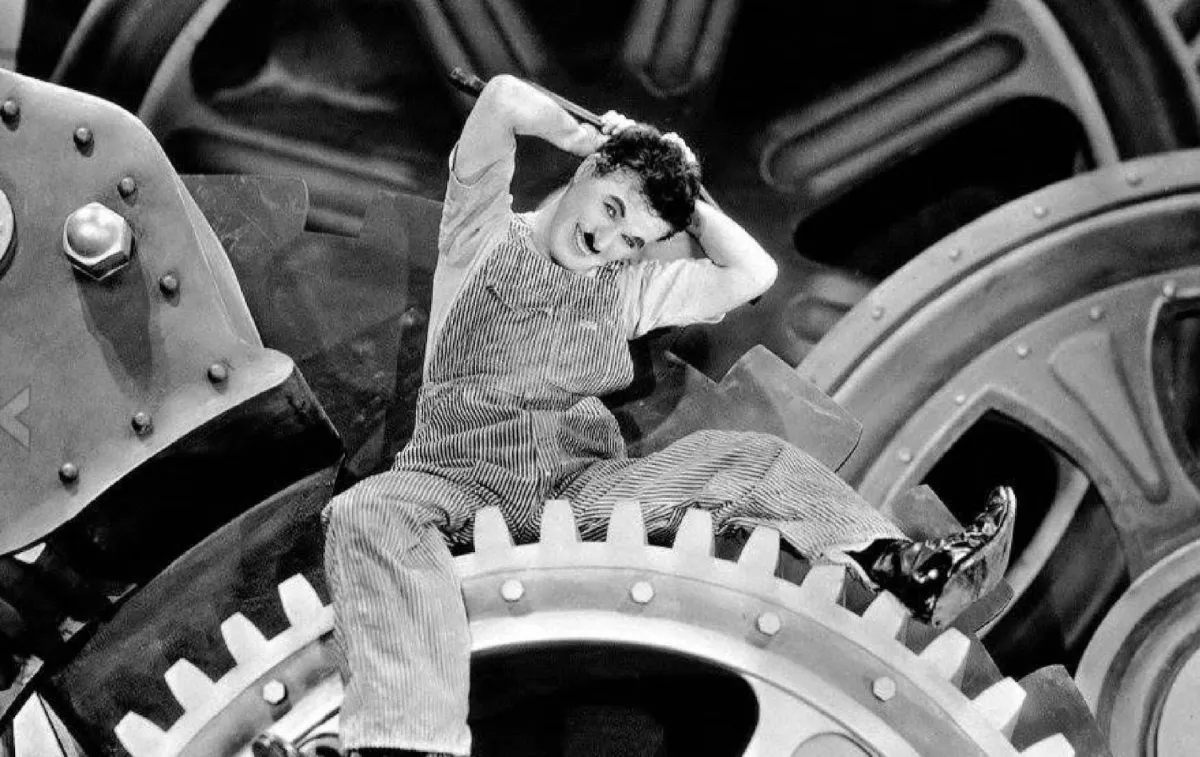
The Locarno Film Festival, one of the oldest festivals in the world, has announced a special cinematic event dedicated to the American McCarthy era, which was characterized by an anti-communist campaign in Hollywood. The upcoming edition of the festival will run from August 5 to 15, and the program will explore the impact of this era on the film industry.
The McCarthy campaign began in the United States in 1947, led by Senator Joseph McCarthy, who conducted investigations targeting artists and screenwriters accused of being members of the Communist Party or having leftist leanings. These trials had profound effects on the artistic and cultural life, as approximately 12,000 employees were stripped of their jobs due to suspicions about their loyalty.
Event Details
Under the title "Red and Black: Hollywood's Left and the Blacklist," the Locarno Festival will showcase 50 films from filmmakers who were accused during that period. Among these works are famous films such as "The Front" and "Crossfire" and Charlie Chaplin's "Modern Times." These films reflect the challenges faced by artists during that time, as many were placed on the "blacklist" for refusing to cooperate with investigators.
The showcase illustrates how this period affected not only cinema but American culture as a whole. The campaign led to the emigration of many directors to Europe, such as Charlie Chaplin and Jules Dassin, who continued their cinematic endeavors away from Hollywood.
Background & Context
The McCarthy era is considered one of the darkest periods in the history of American cinema, leading to restrictions on freedom of expression and creating an atmosphere of fear and suspicion. This era affected many artists, who faced immense pressure to abandon their political views or face repercussions. One of the most notable figures subjected to questioning was director Elia Kazan, who chose to cooperate with investigators, sparking widespread debate about the ethics of this decision.
Research and studies addressing this era, such as Ellen Schrecker's book "The Age of McCarthyism," show that this campaign was not limited to cinema but extended to various sectors, including government and education, resulting in the dismissal of many individuals from their jobs.
Impact & Consequences
The McCarthy campaign significantly impacted the film industry, leading to radical changes in how films were produced and distributed. Many filmmakers began to avoid political or social topics for fear of retaliation. This also resulted in a decline in the number of films addressing leftist issues, affecting the diversity of cinematic content.
Although the campaign ended in the 1950s, its effects are still felt today, as many artists continue to discuss its impact on their careers. The debate over freedom of expression in art remains ongoing, making it essential to remember this era.
Regional Significance
The McCarthy experience in the United States serves as an important lesson for many Arab countries, where numerous political systems face similar challenges in suppressing freedom of expression. The Locarno Film Festival's showcase could inspire Arab artists to explore their social and political issues through their art, fostering dialogue about freedom of expression in their communities.
In conclusion, the Locarno Festival, through the "Red and Black" showcase, highlights the importance of remembering history and its impact on art and culture, contributing to raising awareness about freedom of expression issues in cinema.