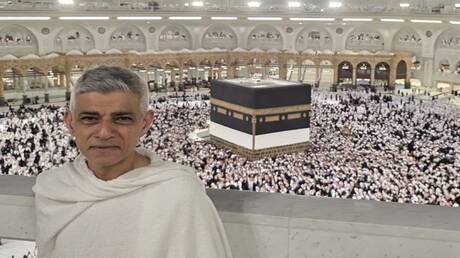
London Mayor Sadiq Khan has completed the Hajj pilgrimage in Mecca, expressing his strong feelings about this profound spiritual experience. Khan described his journey as a "life-changing experience," noting the deep impact it left on him.
The Hajj pilgrimage is one of the five pillars of Islam, where Muslims from around the world travel to Mecca to perform this act of worship at specific times of the year. Reports indicate that Hajj attracts millions of pilgrims annually, reflecting the significance of this obligation in fostering connections among Muslims.
Event Details
During his visit, Khan performed the traditional rituals of Hajj, including the Tawaf around the Kaaba and the Sa'i between Safa and Marwah. He was photographed participating in these rites, which sparked widespread interaction on social media.
Khan also highlighted the importance of Hajj in promoting peace and tolerance, as Muslims from various cultures and nationalities gather in one place. These moments reflect unity and solidarity among Muslims, which is sought by all amid current global challenges.
Background & Context
Sadiq Khan is the first Muslim mayor of the British capital, having taken office in 2016. He is a prominent figure in British politics, striving to enhance cultural and religious diversity in London. His pilgrimage comes at a critical time when Muslims in the West face increasing challenges related to tolerance and acceptance.
The Hajj is an annual experience that renews itself each year, considered one of the largest human gatherings in the world. In recent years, additional health measures have been implemented to ensure the safety of pilgrims, especially following the COVID-19 pandemic.
Impact & Consequences
Khan's visit to Hajj is a significant step in promoting mutual understanding between cultures. By participating in this pilgrimage, Khan contributes to enhancing the image of Muslims in the West, demonstrating that Islam is a religion that calls for peace and love.
This visit may also inspire more leaders and politicians in the West to appreciate spiritual and religious values, potentially improving relations between different communities. Amid political and social tensions, such initiatives are essential for building bridges of communication.
Regional Significance
Khan's pilgrimage reflects the importance of Mecca as a spiritual and cultural center for Muslims worldwide. It also highlights the role that Saudi Arabia plays in hosting pilgrims and providing a safe environment for them.
This visit comes at a time when Saudi Arabia is striving to enhance religious tourism, contributing to local economic development and bolstering the kingdom's status as a major pilgrimage destination.
In conclusion, Sadiq Khan's experience during Hajj underscores the importance of human and religious connections, emphasizing the need to promote tolerance and understanding among different cultures.