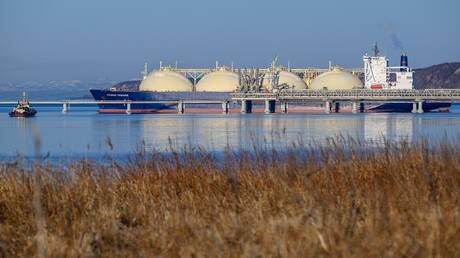
Russian Ambassador to Britain, Andrei Kelin, stated that the UK government's plans to seize oil tankers represent a blatant violation of the United Nations Convention on the Law of the Sea. These comments come amidst escalating tensions between Russia and Britain, where fears are rising over actions that could escalate the situation at sea.
In his remarks, Kelin emphasized that these plans not only contradict the texts of the convention but also the spirit of international cooperation that the convention seeks to achieve. He pointed out that such actions could lead to serious repercussions for maritime security in the region.
Details of the Event
The UK government's plans reportedly involve targeting oil tankers sailing in international waters, which Kelin described as acts of maritime piracy. He affirmed that these measures would negatively impact maritime trade, potentially exacerbating global economic crises.
The Russian ambassador also noted that these plans are part of a broader UK policy aimed at enhancing control over marine resources, which contradicts the fundamental principles of the Law of the Sea that guarantees freedom of navigation and trade.
Background & Context
Historically, the United Nations Convention on the Law of the Sea, adopted in 1982, aimed to regulate the use of oceans and marine resources. This convention represents an important legal framework that ensures countries' rights to use seas and oceans peacefully.
However, geopolitical tensions, especially between Russia and Western countries, have led to rising concerns over potential violations of this convention. Recent years have witnessed an increase in maritime disputes, particularly in areas such as the Black Sea and the South China Sea.
Impact & Consequences
If the UK government continues to implement these plans, it could escalate tensions with Russia, negatively affecting maritime security in the region. Additionally, these actions may provoke reactions from other countries, complicating the international situation further.
Moreover, these actions could impact global oil prices, as any threat to tanker movements may lead to price increases due to fears of supply shortages. This, in turn, could affect the global economy as a whole.
Regional Significance
The Arab region is considered one of the largest oil-producing areas in the world, and any escalation in maritime disputes could affect shipping and transport in this region. Rising oil prices due to tensions may also impact the economies of oil-importing Arab countries.
In light of these circumstances, Arab countries must closely monitor developments, as any changes in maritime policies could affect the stability and security of the region.
In conclusion, the Russian ambassador's statements highlight the importance of dialogue and international cooperation in addressing maritime issues, as escalation will only exacerbate current crises.