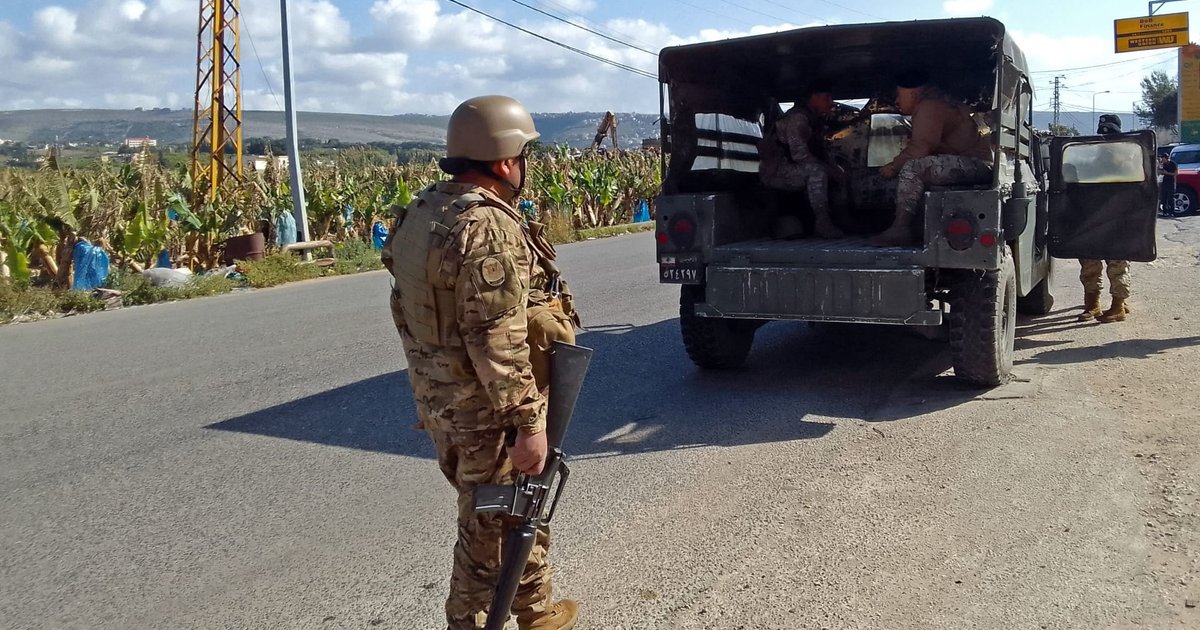
In southern Lebanon, where geography intertwines with history, Hassan Ayoub and Mohammad Faqih, both members of the Shia community, share stories that reflect the suffering of the residents in this region. This impoverished and marginalized area has endured repeated conflicts with Israel, leaving deep scars on the lives of its people.
The suffering of the southern Lebanese population is evident in the sacrifices they have made over the years, as the region has witnessed wars and conflicts that led to the destruction of infrastructure and the displacement of residents. Ayoub and Faqih's narratives illustrate how these challenges have not only impacted their daily lives but have also shaped their cultural and political identities.
Details of the Events
The history of southern Lebanon is filled with tragic events, having experienced numerous wars, starting from the Israeli invasion in 1982 to the July War in 2006. These conflicts have not only left a mark on the infrastructure but also on the psyche of the residents who lived under the constant weight of fear and anxiety.
Hassan Ayoub states, "We have lived through many sacrifices; every war took something from us, whether it was lives or property." Meanwhile, Mohammad Faqih adds, "We live in a region suffering from poverty, but we also live in a place filled with dignity and challenge."
Background & Context
The history of southern Lebanon dates back decades, where the region has suffered from economic and social marginalization. Despite its wealth of natural resources, poverty has been a prominent feature of the lives of its residents. Conflicts with Israel, which began in the 1970s, exacerbated the situation, leading to a deterioration of economic and social conditions.
In recent years, with rising tensions in the region, southern Lebanon has become a focal point for regional conflicts. These disputes have not only affected Lebanon but also had repercussions on stability throughout the region, making it imperative to seek peaceful solutions.
Impact & Consequences
The ongoing conflicts in southern Lebanon significantly affect the lives of its residents, with many suffering from a loss of hope for a better future. Economic and social challenges make it difficult for young people to build stable lives, pushing them to emigrate in search of better opportunities.
Moreover, the continuation of conflicts enhances instability in the region, affecting relations between Lebanon and its neighbors. This situation requires both international and local efforts to find lasting solutions that ensure the safety and security of the population.
Regional Significance
The conditions in southern Lebanon serve as a mirror reflecting the challenges faced by many Arab countries. Ongoing conflicts, whether internal or external, impact the stability of the entire region. The challenges faced by the residents of southern Lebanon may be similar to those in areas like Gaza or Syria, where people suffer from the ravages of war and poverty.
Ultimately, the stories of Hassan Ayoub and Mohammad Faqih are not just individual tales but represent the collective suffering of a people who have endured much. Achieving peace and stability in southern Lebanon requires joint efforts from all concerned parties to ensure a better future for the coming generations.