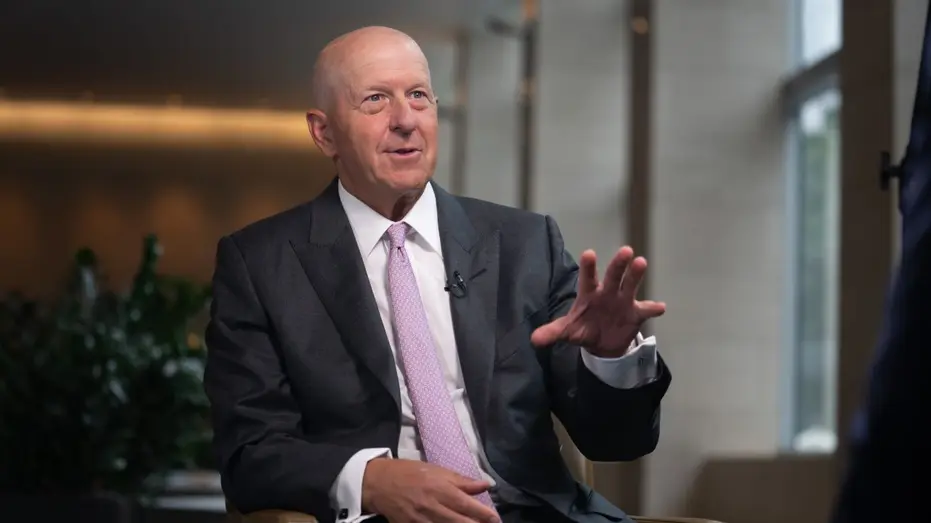
Warnings about the negative economic impacts of the war in Iran continue to emerge, with Sharon Bell, the Chief European Market Strategist at Goldman Sachs, affirming that this war will keep affecting the global economy even if a quick resolution is reached. Bell stated in her remarks to Bloomberg that "people will face higher energy costs, leading to decreased confidence and weak economic growth."
She also explained that Purchasing Managers' Index (PMI) indicators have already begun to decline, indicating that economic damage has already commenced. The critical question is how sustainable this damage will be, whether it is temporary or permanent.
Details of the Event
The war in Iran, which began amid rising geopolitical tensions, has led to a significant increase in energy prices. This rise affects not only oil-importing countries but also reflects on the global economy as a whole. Recent economic data has shown a decline in growth indicators across many European countries, raising concerns about the future of the global economy.
There are growing fears that the continuation of this war could exacerbate economic crises, especially given the heavy reliance on Iranian energy in global markets. Additionally, political tensions may lead to greater volatility in financial markets, increasing economic uncertainty.
Background & Context
Historically, Iran has been a key player in the global energy market, possessing vast reserves of oil and gas. However, international sanctions and political tensions have negatively impacted its ability to export these resources. Since the onset of the conflict, oil prices have seen significant increases, affecting the economies of importing countries.
Moreover, conflicts in the Middle East often lead to indirect effects on global markets, where supply chains and international trade are impacted. Therefore, the situation in Iran is not merely a local issue; it has global ramifications affecting all countries.
Impact & Consequences
The economic impacts of the war in Iran could be long-lasting, with analysts predicting that energy prices will continue to rise, leading to increased living costs in many countries. This price surge could result in reduced consumption, negatively affecting economic growth.
Furthermore, political instability may lead to fluctuations in financial markets, increasing risks for investors. This could result in a decline in foreign investments in the region, adversely reflecting on economic growth.
Regional Significance
For Arab countries, the situation in Iran poses a significant challenge. Many Arab nations rely on energy imports, and any price increase will impact their economies. Additionally, tensions in Iran may exacerbate political crises in the region, increasing instability.
It is crucial for Arab nations to adopt strategies to adapt to these changes, whether through diversifying energy sources or enhancing regional cooperation. There is also an urgent need to boost investments in renewable energy to reduce reliance on oil and gas.
In conclusion, the repercussions of the war in Iran remain a complex issue requiring global attention. It is essential for countries to collaborate in addressing the economic and political challenges arising from this conflict.