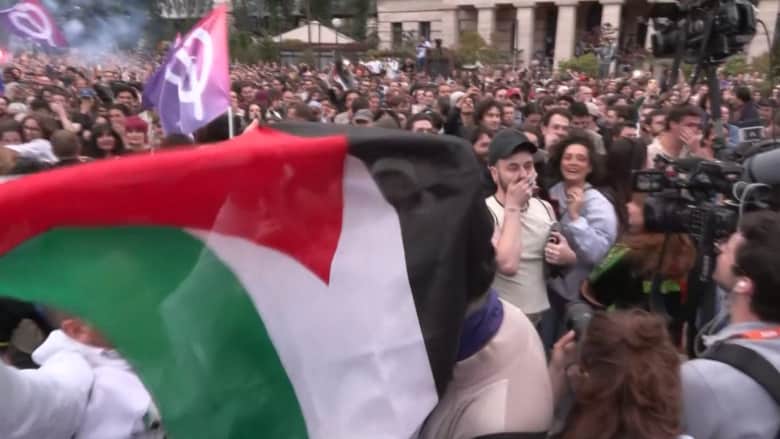
In the 2026 French municipal elections, held under various political pressures, voter turnout was low at 48.10% by 5 PM. These elections were not merely a vote for mayors; they coincided with a week of intense political preparation, involving alliances, resignations, and outright rejections of new coalitions, all within the context of parties striving for electoral gains in cities like Marseille and Lille.
This election was an opportunity for citizens to evaluate the performance of their local leaders and to choose who will represent them in the years to come. However, the low turnout reflects a lack of interest among citizens and minimal enthusiasm for political events. This outcome might concern political leaders about the ability of the democratic process to engage voters and revitalize political life.
In the current political climate, characterized by polarization and division among parties, it is clear that at least half of voters are disinterested in participating in local decision-making. This situation highlights significant challenges facing the democratic system in France, where feelings of frustration and distrust among citizens are on the rise.
Historically, these elections come amid a political atmosphere transformed in recent years, where there have been calls for change among current political figures and a desire for a radical shift in local policies. Political parties in France, in particular, are facing a decline in public support and a loss of trust from voters.
Many parties are attempting to respond to this frustration through innovative electoral programs that promise to change their local realities. Nevertheless, despite these efforts, the current results reveal the gap between politicians' promises and the genuine needs of voters.
Simultaneously, this electoral landscape also shows broader connections to the European context. The weak voter turnout in France signifies a more extensive phenomenon that many governments worldwide are experiencing, as people question the effectiveness of elections and politicians’ ability to bring tangible change to their daily lives.
When we link this development to the situation in the Arab region, an intriguing intersection emerges. Many Arab countries are experiencing a decline in political participation, coupled with increased marginalization among young people. Additionally, these French elections serve as a reminder that the democratic process is not just about voting; it’s also a manifestation of trust between citizens and their leadership. Arab countries can draw lessons from the French experience, emphasizing the importance of citizen involvement in political life and the need to address frustration by enhancing communication channels between governments and people.
Overall, the results of the municipal elections in France reflect multiple challenges facing the democratic system and underscore the importance of citizen participation in decision-making. Engaging citizens in the democratic process is not only beneficial for community development but is also essential for renewing trust between individuals and the state, which should be at the core of upcoming political efforts.