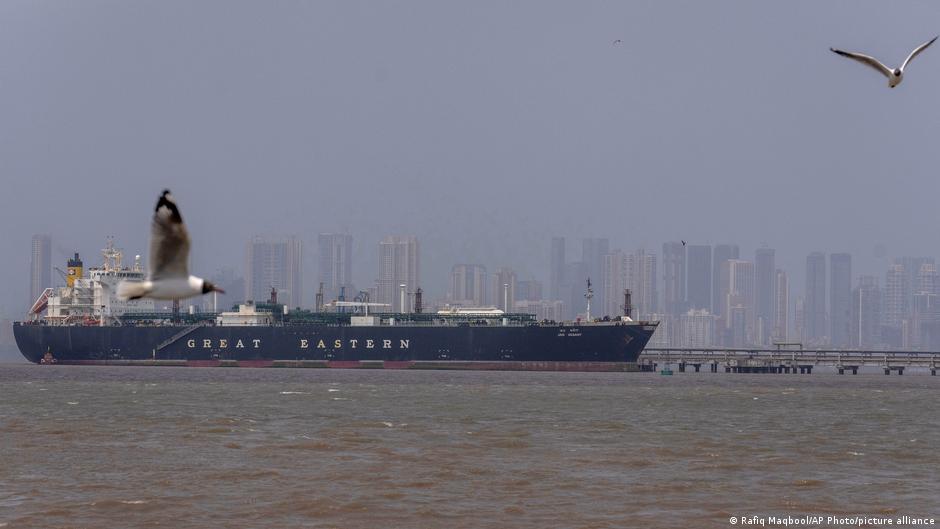
The liquefied gas tanker Green Sanvi, flying the Indian flag, has crossed the Hormuz Strait heading to the city of Mumbai, becoming the seventh tanker to traverse this vital waterway since the onset of the Iranian war. This move comes at a time when India is facing increasing pressure to secure liquefied gas supplies, as the country heavily relies on this resource to meet its cooking needs.
The tanker, owned by Mitsui, is carrying 46,000 metric tons of liquefied gas. It is expected to arrive in Mumbai soon, contributing to alleviating the pressures on the country's energy supplies.
Details of the Event
India is recorded as one of the largest importers of liquefied gas in the world, and these developments come at a critical time, as the Iranian war has disrupted shipping through the Hormuz Strait, which is a major transit point for oil and gas. These circumstances have forced the Indian government, led by Narendra Modi, to take emergency measures to manage the escalating fuel crisis.
As part of these efforts, the Indian government continues to negotiate with Tehran to ensure the safe passage of Indian vessels through the strait. Another tanker, Ping Shun, which was carrying Iranian oil, has been observed changing its course from India to China, reflecting concerns related to payments.
Background & Context
Historically, the Hormuz Strait is considered one of the most important waterways in the world, through which approximately 20% of global oil supplies pass. As tensions in the region escalate, this passage has become susceptible to disruptions, directly affecting countries that depend on these supplies, such as India.
India, witnessing an increase in energy demand due to its economic growth, faces significant challenges in securing its gas supplies, especially amid rising geopolitical crises. This has led to an increased reliance on imported liquefied gas, making the country more vulnerable to fluctuations in the global market.
Impact & Consequences
These events underscore the importance of securing energy supplies amid global crises. India, as a densely populated country, needs effective strategies to ensure the continuity of its energy supplies. Disruptions in the Hormuz Strait could lead to rising prices, impacting the Indian economy as a whole.
Moreover, these developments may push India to seek alternative energy sources, including enhancing its investments in renewable energy, which could contribute to reducing reliance on imported fossil fuels in the future.
Regional Significance
The Arab region is a crucial part of the global energy equation, with Gulf countries playing a pivotal role in oil and gas supplies. As tensions escalate in Iran, Gulf states may be directly affected by these crises, necessitating greater coordination among Arab nations to ensure market stability.
Under these circumstances, there may be opportunities to enhance cooperation between Arab countries and India in energy sectors, contributing to strengthening energy security in the region.
The crossing of the liquefied gas tanker Green Sanvi through the Hormuz Strait reflects the challenges India faces in securing energy supplies amid regional crises. As these tensions continue, it remains essential for India to adopt effective strategies to ensure the sustainability of its energy supplies.