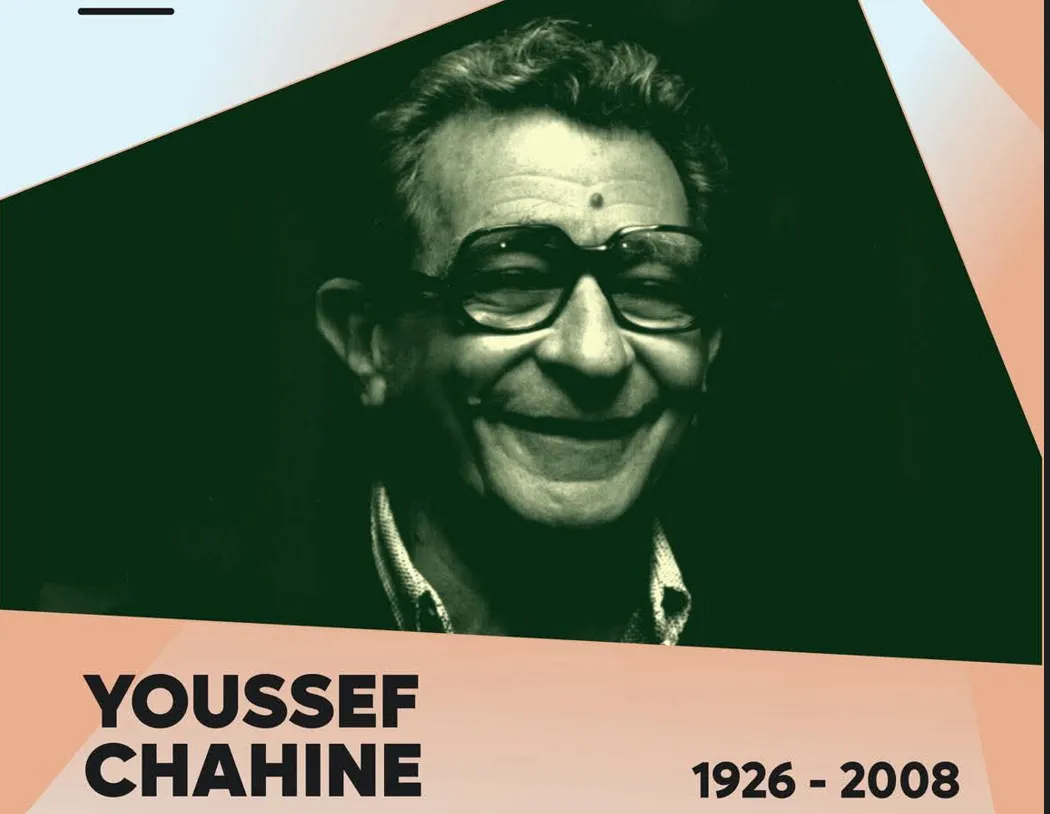
The Luxor African Film Festival is set to launch its fifteenth edition, taking place from March 29 to April 4, with a rare screening of the film "The Nile and Life" directed by the late Egyptian filmmaker Youssef Chahine. This screening is part of the festival's celebration of Chahine's centenary, with this year's theme titled "Youssef Chahine... An Egyptian Tale".
"The Nile and Life" is a historical drama that explores the impact of the construction of the High Dam on Egyptian society, highlighting the collaboration between Egyptian and Soviet workers during that period. The film features prominent actors such as Salah Zulfikar, Emad Hamdy, and Madiha Salem, along with Soviet actors. Although filmed in the 1970s, it has never been screened in Egypt before, making this version a rare opportunity for the Egyptian audience.
Event Details
Producer Jabi Khoury, nephew of Youssef Chahine, revealed that the version being shown is the original copy that Chahine preserved for thirty years before it was stored in the French Cinematheque. He explained that the film was initially rejected by the General Organization for Cinema in Egypt, prompting Chahine to create another film on the same subject titled "People and the Nile," which was released in 1972.
The festival will also honor four stars from Chahine's films: Najwa Ibrahim, Suhair El-Murshidi, Sayed Abdel Rahman, and Mohsen Mohy El-Din, with screenings of their films during the festival. Additionally, a seminar will be held featuring Lebanese critic Ibrahim Al-Arees, who authored a book about Chahine, reflecting the event's importance in highlighting Egypt's cinematic heritage.
Background & Context
Youssef Chahine is one of the most prominent directors in the history of Egyptian cinema, leaving behind a rich artistic legacy that reflects the issues of Egyptian society. "The Nile and Life" is among the works that capture the social and political changes Egypt experienced during the construction of the High Dam, which had a significant impact on the lives of Egyptians. The film also reflects the cooperation between Egypt and the Soviet Union during that period, making it an important historical document.
The Luxor Festival's celebration of Chahine's centenary comes at a time when the Arab world is witnessing a growing interest in cinema as a means of expressing identity and culture. By showcasing Chahine's films, the festival aims to enhance awareness of the history of Egyptian cinema and its significance in shaping collective consciousness.
Impact & Consequences
The screening of "The Nile and Life" at the Luxor Festival represents an opportunity for the Egyptian audience to connect with a part of their cinematic history that may have been absent from their knowledge. Honoring Chahine and his works underscores the importance of cinema as a medium for expressing social and political issues. This event is expected to draw more attention to African cinema in general and strengthen the position of the Luxor Festival as a key platform for cinema in the region.
Highlighting Chahine's works may inspire a new generation of Arab directors and filmmakers to explore their local issues through art, thereby enhancing cultural diversity in Arab cinema.
Regional Significance
The Luxor African Film Festival serves as an important platform for Arab cinema, bringing together filmmakers and audiences from various countries. Screening films like "The Nile and Life" fosters cultural dialogue among Arab nations and encourages artistic collaboration. Additionally, honoring Arab directors and artists at the festival reflects appreciation for art as a means of expressing identity and culture.
Amid the challenges facing Arab cinema, the Luxor Festival remains a symbol of hope and renewal, showcasing the ability of art to transcend borders and connect with audiences. Celebrating Chahine's centenary reminds us of the importance of cinema in shaping cultural and political awareness in the Arab world.