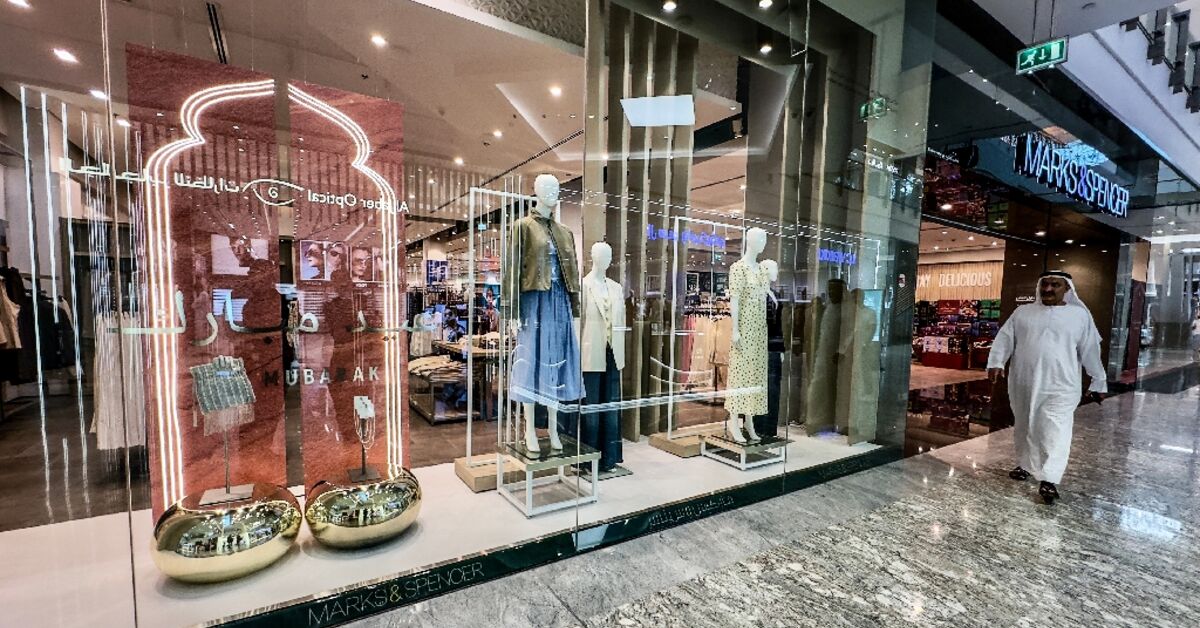
Luxury stores in Dubai are facing significant challenges due to the ongoing war in the Middle East, with a noticeable decline in customer numbers one month after the conflict began. In one upscale shopping center, sales staff sit waiting for customers, as shopping activity has sharply decreased.
A sales employee, who preferred to remain anonymous, reported that the atmosphere in the store has become quieter, noting that "the number of customers has decreased, especially tourists." However, he added that "local customers are still visiting the stores, and fortunately, we have a strong local customer base, so there is not much concern among us."
Details of the Situation
Dubai is considered one of the premier luxury shopping destinations in the world, featuring a wide range of global brands. However, the current situation in the region is directly impacting tourism and shopping activity. The decline in the number of tourists, who are a crucial part of luxury store sales, has led to growing concern among store owners.
Reports indicate that many luxury stores have begun to implement measures to mitigate the negative impact on their sales, including offering special promotions and discounts to attract customers. Nevertheless, the biggest challenge remains restoring trust among tourists and consumers.
Background & Context
Historically, Dubai has been a vibrant commercial hub in the Middle East, attracting tourists from around the world. As conflicts in the region have escalated, some countries have begun to impose travel restrictions, negatively affecting tourism flows. Additionally, political and economic crises in neighboring countries have contributed to a decline in visitors to Dubai.
Despite these challenges, Dubai still maintains its reputation as a luxury destination. However, the ongoing conflict in the Middle East could threaten this reputation and impact the future of the tourism and retail sectors in the city.
Impact & Consequences
The repercussions of declining luxury store sales in Dubai extend beyond the city itself, potentially affecting the macroeconomy of the United Arab Emirates. The UAE economy heavily relies on tourism and trade, and any downturn in these sectors could lead to negative consequences for economic growth.
Moreover, these conditions may lead to layoffs in the retail sector, increasing economic pressures on households and affecting living standards. The decline in foreign investments due to instability could also hinder sustainable growth in the future.
Regional Significance
The situation in Dubai reflects the challenges faced by many other Arab countries. As conflicts continue in the region, the Arab economy as a whole is facing increasing pressures. Concerns are rising that political crises could lead to declines in tourism and investment in other countries, negatively impacting economic growth.
Ultimately, the current situation in Dubai and neighboring countries requires a swift and effective response from governments and the private sector to ensure economic stability and bolster confidence among investors and tourists.