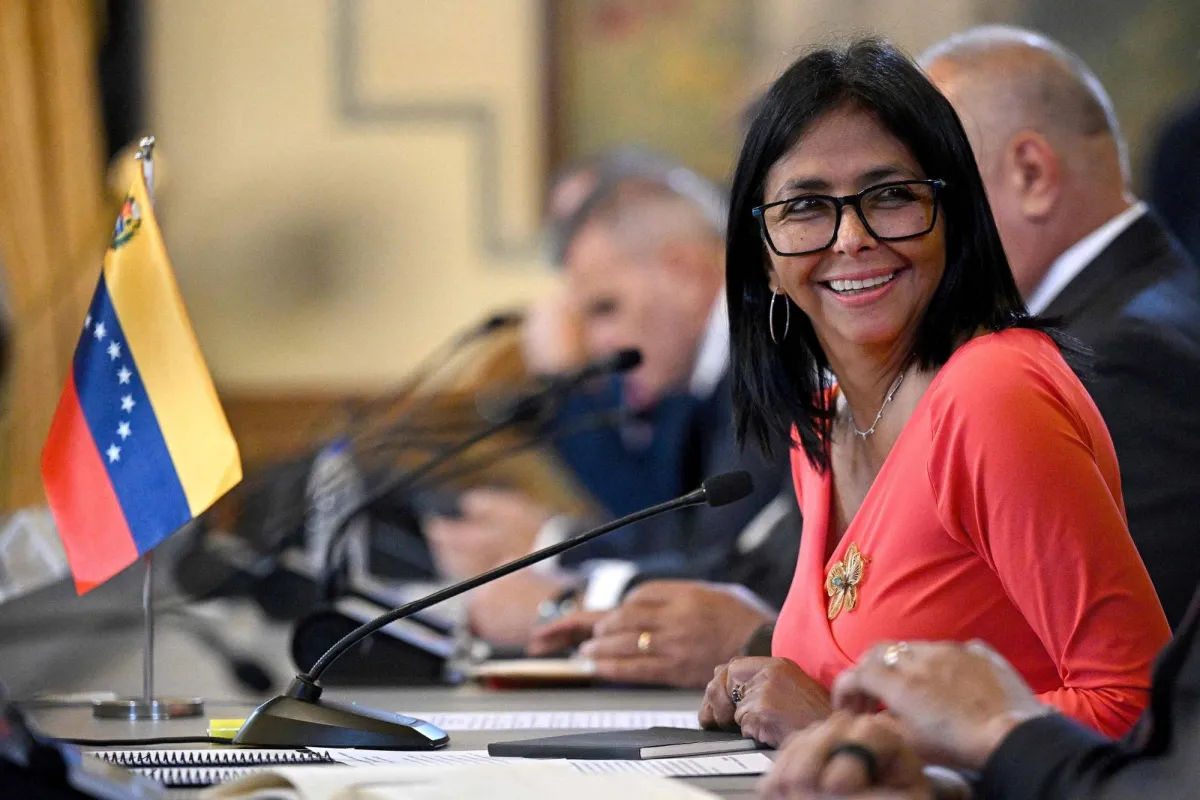
Venezuelan opposition leader Maria Corina Machado announced on Thursday her intention to enter negotiations with interim President Delcy Rodriguez, aiming to achieve a democratic transition of power in the country. This move comes after the ousting of Nicolas Maduro's regime in January, as the opposition seeks to regain control of governance.
Machado, who received the Nobel Peace Prize, asserts that her candidate Edmundo Gonzalez Urrutia won the controversial elections held in 2024, in which Maduro declared his victory. Machado has called on the United States to support "serious political negotiations" with the transitional government to restore democracy in Venezuela.
Details of the Negotiation
In her statement, Machado emphasized that the main goal of these negotiations is to conduct free, transparent, and sovereign presidential elections. She expressed confidence in former President Donald Trump's plans for Venezuela, noting that the Trump administration had authorized an attack on Caracas in January to arrest Maduro.
Although no date for the upcoming elections has been set, Machado confirmed that she will run. This announcement came during her visit to Panama, where she met with members of the Venezuelan community. Trump hinted at the possibility of new elections following Maduro's arrest, but no official date has been determined yet.
Background & Context
The Venezuelan government considers Machado a fugitive, accusing her of calling for military intervention against the country. Venezuela has faced severe political and economic crises in recent years, leading to deteriorating living conditions and rising poverty rates.
Pressure on the Venezuelan government is increasing as opposition calls for free elections grow louder. The country has witnessed widespread protests against Maduro's regime, which the opposition accuses of election fraud and suppressing freedoms.
Impact & Consequences
If negotiations between the opposition and the government succeed, they could pave the way for the restoration of democracy in Venezuela, potentially positively impacting the country's political and economic stability. On the other hand, the government may face significant challenges if internal and external pressures continue.
These negotiations represent an important step in Venezuela's modern history, as they could lead to a radical change in the political landscape. They may also contribute to improving relations with Western countries, particularly the United States, which is closely monitoring the situation.
Regional Significance
The situation in Venezuela holds particular importance for the Arab region, reflecting the challenges faced by many countries in achieving political stability. Arab nations may benefit from Venezuela's experience in handling political crises, especially amid tensions in some Arab countries.
In conclusion, all eyes remain on Venezuela, where these negotiations could mark the beginning of a new era of democracy and stability.