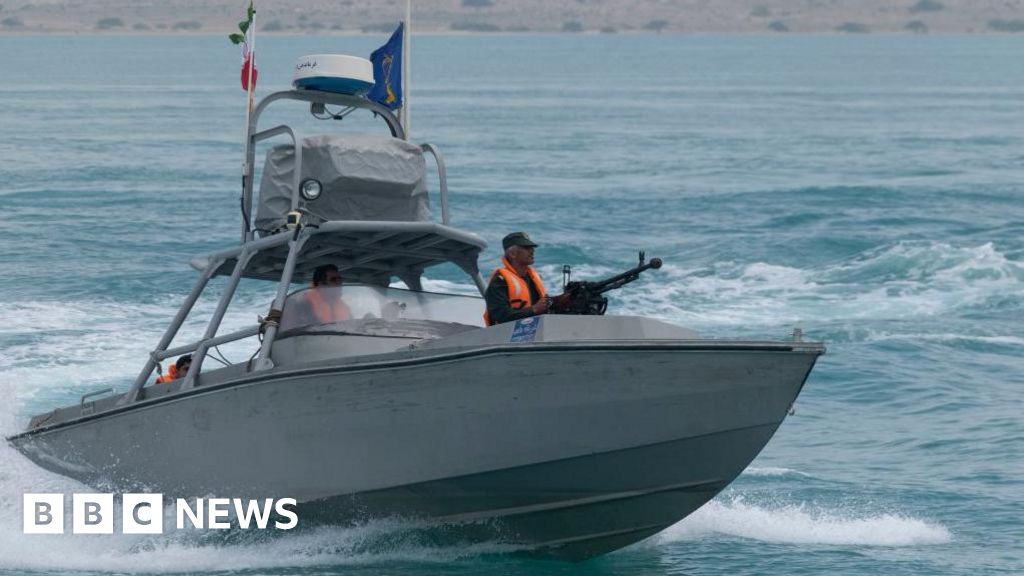
French President Emmanuel Macron has announced that France will not participate in the Freedom Project related to securing navigation in the Strait of Hormuz, an unexpected move from one of the United States' key allies. This decision reflects the differing stances among Western nations in addressing the escalating tensions in the region.
During a press conference, Macron emphasized that his country prefers to focus on diplomatic solutions rather than engage in military operations that could escalate the situation. He pointed out that France aims to maintain stability in the region while simultaneously rejecting any military alliances that could adversely affect its interests.
Details of the Freedom Project
The Freedom Project, proposed by the United States, aims to secure navigation in the Strait of Hormuz, which is considered one of the world's most important maritime corridors. This passage is under increasing pressure due to tensions between Iran and the United States, prompting some countries to consider participating in this initiative.
France, historically a steadfast ally of the United States, has chosen this time to refrain from engaging in this project, raising questions about the future of relations among Western allies. Macron clarified that France will continue to support diplomatic efforts to resolve conflicts in the region.
Background & Context
Historically, the Strait of Hormuz has witnessed numerous crises, serving as a major transit point for oil and natural gas. In recent years, tensions have escalated due to Iranian activities in the area, including threats to close the strait.
The United States, on its part, seeks to form military alliances to counter Iranian threats, but this strategy has not garnered widespread global support. Many European countries, including France, prefer a diplomatic approach over military confrontation.
Impact & Consequences
Macron's decision not to participate in the Freedom Project may affect relations between France and the United States, as it could be seen as a retreat from traditional military commitments. It also reflects a divergence in strategies among Western nations in dealing with Iran.
This decision could pave the way for other countries to adopt similar stances, potentially leading to a shift in security dynamics in the region. At the same time, it may increase pressure on the United States to provide more effective diplomatic solutions.
Regional Significance
The Arabian Gulf region is considered one of the most sensitive areas in the world, where economic and political interests intersect. France's decision not to participate may encourage other nations to reassess their positions regarding tensions in the area.
Moreover, this decision could impact oil prices and financial markets, as any escalation in the region could lead to a rise in oil prices. Therefore, stability in the region is vital for the global economy.
In conclusion, Macron's decision not to participate in the Freedom Project signifies a shift in Western strategies toward Iran, which may contribute to reshaping the security landscape in the Arabian Gulf region.