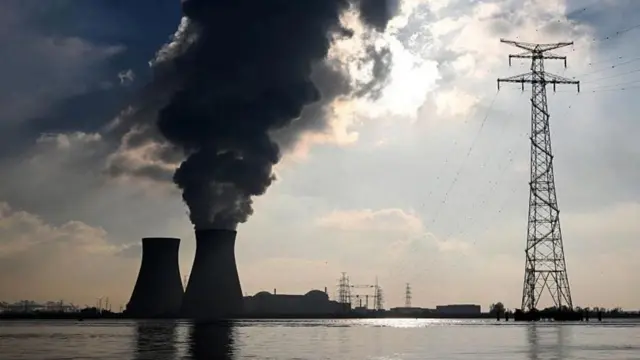
French President Emmanuel Macron emphasized at the recent European Nuclear Energy Summit that nuclear energy is the key to balancing energy independence with reducing carbon emissions. Macron noted that this approach is crucial given the increasing challenges Europe faces in the energy sector, especially amid current crises.
Macron's statements come at a sensitive time as European countries seek to reduce their reliance on traditional energy sources, particularly gas and oil, due to geopolitical and economic crises affecting the global market. He pointed out that nuclear energy is not only a sustainable option but also essential for achieving carbon neutrality by 2050.
Event Details
The European Nuclear Energy Summit was held in the French capital, Paris, where several European leaders gathered to discuss the future of energy on the continent. Discussions centered around the importance of nuclear energy as part of the European energy strategy, which aims to achieve energy independence and reduce harmful emissions. Macron affirmed that nuclear energy provides a reliable alternative to renewable energy, especially during times when renewable sources are insufficient to meet demand.
The French President also mentioned that new investments in nuclear energy would help create jobs and foster innovation in this sector. He highlighted that many European countries, including Germany and Britain, have already begun to reassess their nuclear policies in light of current challenges.
Background & Context
Historically, Europe has shown increasing interest in nuclear energy since the 1970s, considering it a key option for meeting energy needs. However, this interest has waned in recent years due to safety concerns and nuclear waste issues. Yet, with the rise of environmental and economic challenges, European countries are beginning to rethink the role of nuclear energy in their energy mix.
Many European nations are pursuing ambitious renewable energy goals, but challenges related to energy storage and availability make nuclear energy an attractive option. Research has shown that nuclear energy can play a significant role in achieving carbon neutrality, providing clean and reliable energy.
Impact & Consequences
If Macron's vision is implemented, it could lead to a significant shift in European energy policy. Investments in nuclear energy are expected to increase, potentially enhancing innovation and technology in this field. This approach may also help reduce reliance on imported energy, thereby strengthening energy independence for European nations.
On the other hand, countries that heavily rely on nuclear energy may face new challenges related to safety and nuclear waste, necessitating the development of effective strategies to address these issues. Furthermore, there is a need for more dialogue among EU member states to ensure alignment in nuclear policies.
Regional Significance
Although nuclear energy does not currently represent the primary option for Arab countries, Europe's shift towards enhancing nuclear energy could influence energy strategies in the region. These developments may prompt Arab nations to reassess their energy options, especially in light of environmental and economic challenges.
Moreover, strengthening cooperation between Arab countries and European nations in the energy sector could contribute to knowledge and experience exchange, enhancing the ability of Arab states to achieve their sustainable energy goals.
In conclusion, Macron's push for enhanced nuclear energy in Europe represents a strategic step in addressing energy and environmental challenges. As discussions on this topic continue, the question remains open on how to balance sustainability with reliance on traditional energy sources.