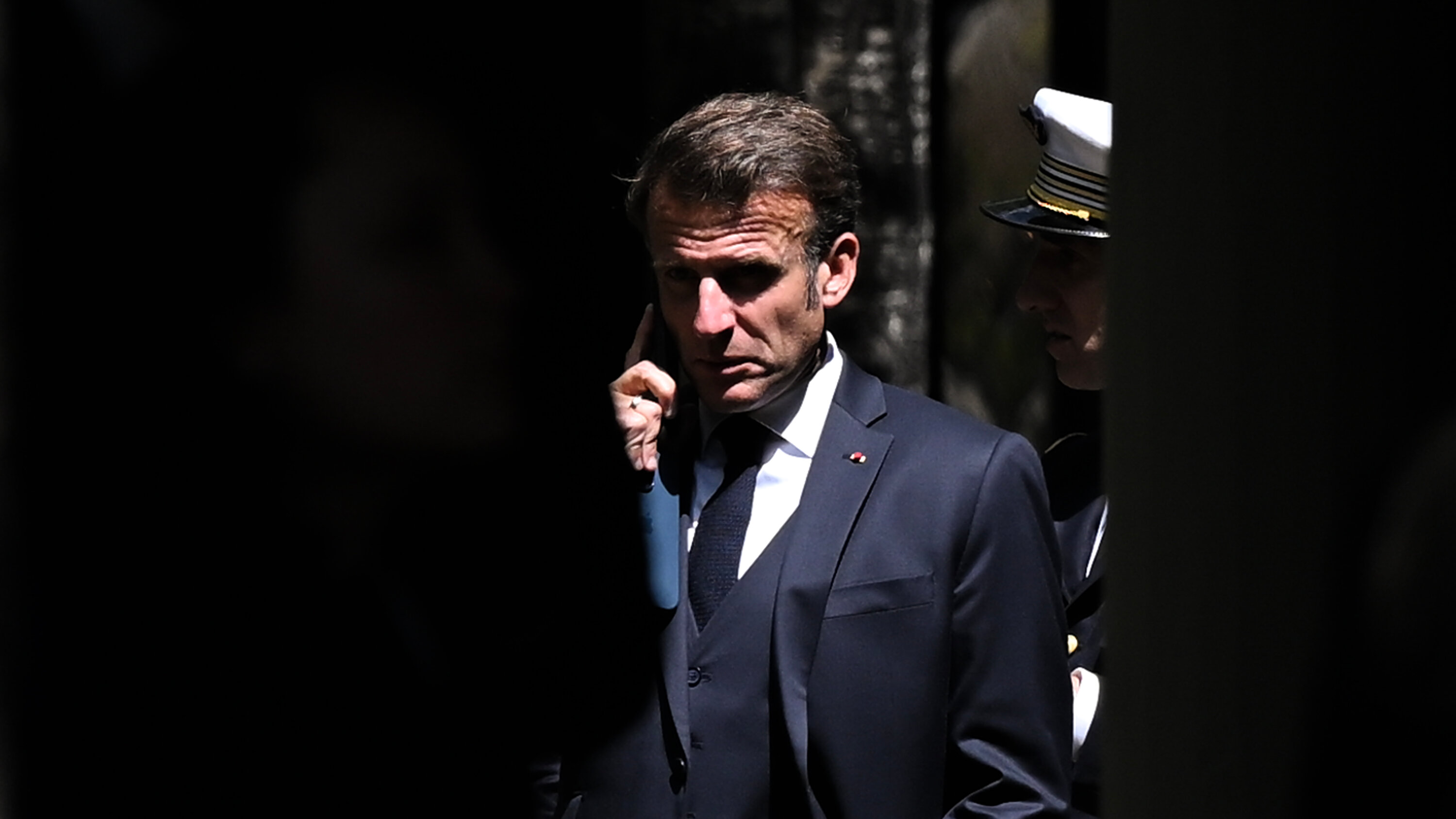
French President Emmanuel Macron stated in an interview with a Japanese channel that France will not participate in the war led by the United States and Israel against Iran. Macron explained that his country was not part of the consultations regarding this conflict, reflecting France's independent stance in foreign policy.
Macron's comments came in response to criticisms from US President Donald Trump, who criticized France for its decision to ban US military aircraft carrying military equipment from flying over its territory. This ban raised questions about France's commitment to traditional military alliances, especially amid escalating tensions in the Middle East.
Details of the Event
As tensions rise between the United States and Iran, France emerges as an independent observer, refusing to get dragged into military conflicts that could negatively impact regional stability. Macron, who seeks to enhance France's role in international politics, confirmed that his country will remain committed to the principles of diplomacy and dialogue.
These statements come at a sensitive time, as the United States aims to bolster its military presence in the region while Iran continues to develop its nuclear program. Thus, it appears that France is trying to maintain a delicate balance between its commitments as a US ally and the necessity of preserving its political decision-making independence.
Context and Background
Historically, France has been a key player in international politics, following an independent policy on many issues, including the conflict in the Middle East. Over the years, France has attempted to act as a mediator between conflicting parties, earning a good reputation as a supporter of peace.
In recent years, French-American relations have experienced some tensions, particularly regarding foreign policies. The ban on US aircraft is an example of how the two allies' views differ on how to handle international crises.
Implications and Effects
Macron's statements serve as a clear message to the United States regarding the limits of military cooperation. This stance may affect relations between Paris and Washington and could lead to a reassessment of allies' strategies in the region.
These developments may increase pressure on the United States to change its strategy in the Middle East, where it may find itself compelled to negotiate with Iran rather than relying solely on military force. Additionally, such positions may encourage other countries to take similar steps toward independence in their political decisions.
Impact on the Arab Region
Arab countries are directly affected by the tensions between the United States and Iran, as these conflicts are part of the broader struggle in the region. France's position may open the door for other Arab countries to adopt independent policies, potentially leading to changes in traditional alliances.
Moreover, this stance may enhance dialogue between Arab countries and Iran, as parties may seek to find peaceful solutions to ongoing conflicts. Ultimately, Macron's position could have far-reaching effects on regional stability.
In conclusion, it seems that France under Macron is striving to assert its independence in foreign policy, reflecting a shift in the traditional dynamics of international relations in the Middle East.