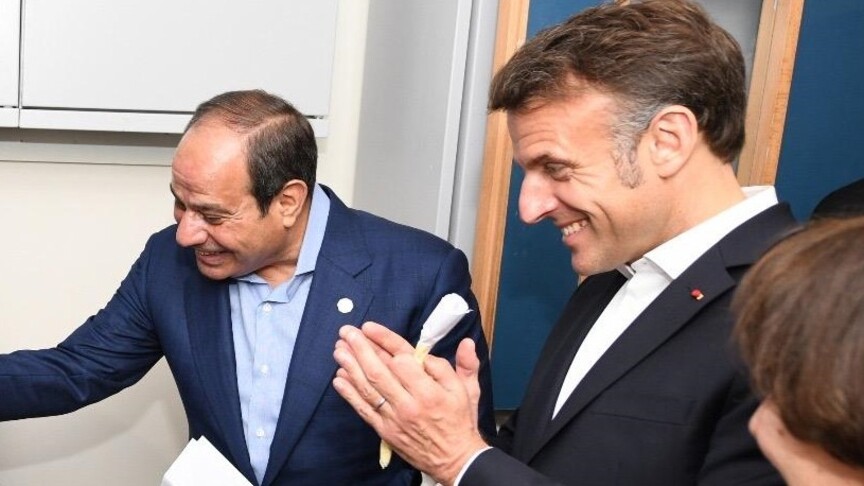
French President Emmanuel Macron has arrived in Alexandria, Egypt, marking the beginning of his African tour, which includes several significant stops. During this visit, Macron will inaugurate a new campus for Senghor University in the Borg El Arab area alongside Egyptian President Abdel Fattah el-Sisi. This event is seen as a milestone in the cultural and educational relations between the two countries.
Senghor University was established in 1990 with the aim of enhancing higher education in African nations. The new campus represents a crucial step towards developing education in the region and reflects France's commitment to supporting education on the African continent. It is expected that this campus will contribute to strengthening academic cooperation between Egypt and France.
Details of the Event
Macron's visit to Egypt also includes meetings with several Egyptian officials to discuss regional and international issues. The discussions are anticipated to cover topics related to security, migration, and economic cooperation. Both sides will also explore ways to enhance trade relations between the two countries.
This visit comes at a sensitive time as France seeks to bolster its influence in Africa, especially amid the challenges faced by some African nations. Education is considered one of the key areas that can contribute to achieving sustainable development in the region.
Background & Context
Over the years, French-Egyptian relations have seen significant development, with France playing an important role in supporting developmental projects in Egypt. In recent years, French investments in Egypt have increased, contributing to strengthening the economic ties between the two nations.
Historically, Egypt has been a cultural and educational hub in the region, making it a preferred destination for African students. Through its support for Senghor University, France aims to reinforce this role and provide exceptional educational opportunities for African students.
Impact & Consequences
Macron's visit to Egypt is a strategic move aimed at enhancing bilateral relations and may lead to increased French investments in Egypt. Furthermore, the inauguration of Senghor University’s campus could improve the educational standards in the region, benefiting African youth.
Moreover, this visit may foster cooperation in other fields such as culture and the arts, contributing to building bridges between peoples. This collaboration highlights the importance of education as a tool for development and progress in developing countries.
Regional Significance
This visit signifies the importance of education in strengthening relations between Arab countries and European nations. Given the economic and social challenges faced by many Arab states, educational initiatives can contribute to achieving sustainable development.
Additionally, enhancing educational cooperation between Egypt and France could serve as a model for other Arab countries, thereby increasing opportunities for Arab youth to access high-quality education.
In conclusion, Macron's visit to Egypt and the inauguration of Senghor University represent a significant step towards enhancing cultural and educational relations between France and Egypt, reflecting both countries' commitment to developing education as a means to achieve sustainable development.