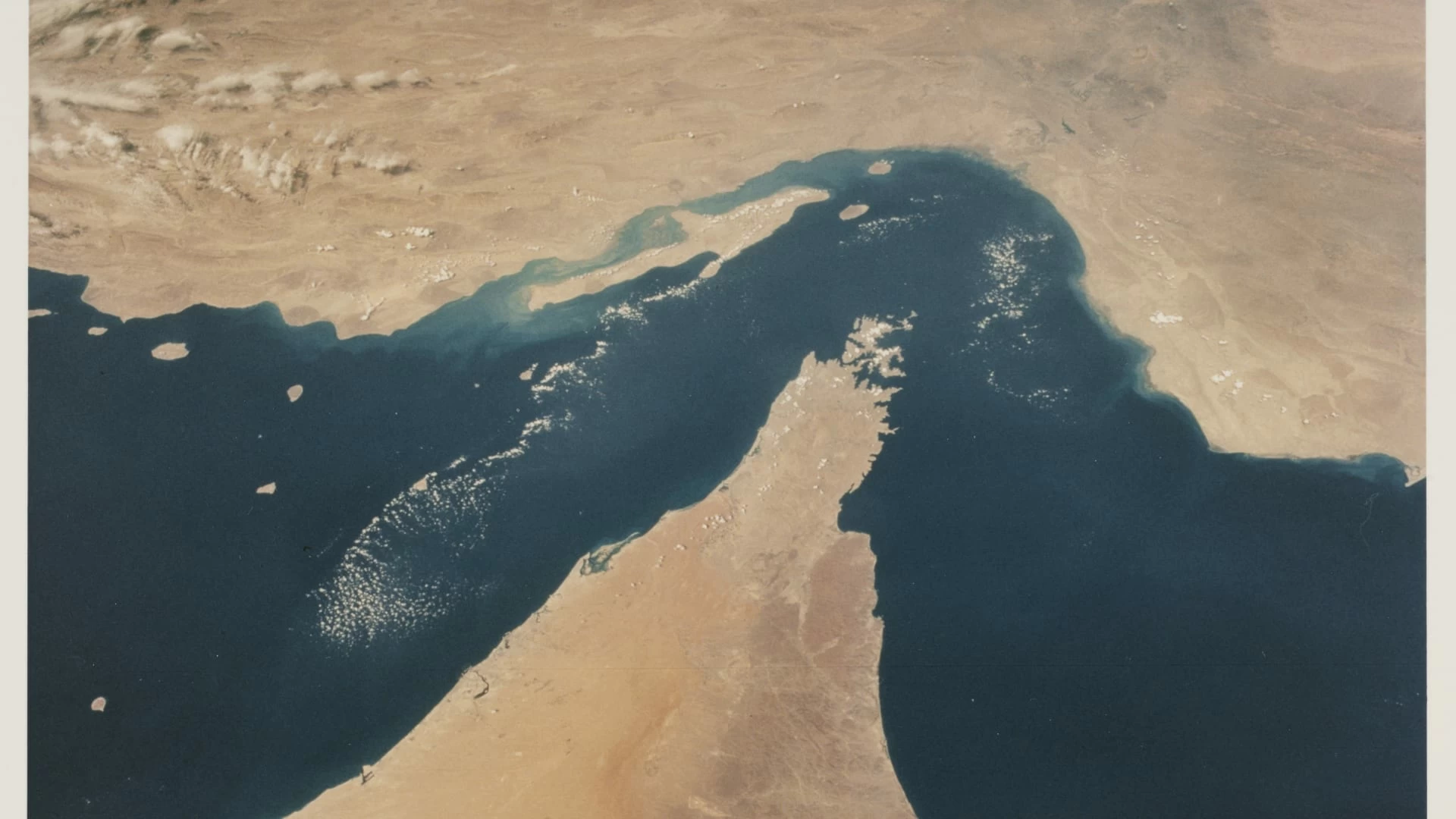
French President Emmanuel Macron announced today, Friday, a new initiative aimed at reopening the Strait of Hormuz through a peaceful process in cooperation with other countries. Macron emphasized that he rejects any form of disruption to navigation in the strait, stressing that the solution must be through negotiation and not military action.
Macron's statements come at a critical time, as the deadline set by U.S. President Donald Trump for reopening the strait approaches its end. Trump confirmed that U.S. forces would continue their operations against Iran "with great intensity" in the coming weeks, indicating that military targets would be achieved "very soon." In contrast, Tehran has insisted on closing the strait to what they describe as "enemies," threatening to expand the scope of military strikes.
Details of the Event
In a related context, Iranian Deputy Foreign Minister Kazem Gharib Abadi announced that his country is working in cooperation with Oman to prepare a new navigation system for the Strait of Hormuz, which is set to be implemented after the war ends. He explained that the project has reached its final stages, as Iran seeks to prevent commercial and military vessels participating in or supporting military operations from crossing the strait.
Gharib Abadi also noted that the Iranian vision includes requiring all passing ships, even in peacetime, to obtain the necessary approvals and permits from Iran and Oman to ensure the security of the corridor and the safety of passage. He confirmed that efforts are currently focused on a joint protocol with Oman aimed at organizing traffic, providing services, and ensuring security.
Background & Context
Tensions are escalating in the Strait of Hormuz region, which is considered one of the most important waterways in the world, through which approximately 20% of the world's total oil passes. The area has witnessed an increase in military conflicts in recent years, negatively impacting navigation and international trade.
In this context, Pakistan has expressed its readiness to host direct talks between the United States and Iran in an attempt to end the conflict. The Pakistani Foreign Ministry has shown significant interest in mediation efforts, as Prime Minister Shahbaz Sharif discussed the initiative with Iranian President Masoud Bezhakian, emphasizing the importance of building trust to facilitate negotiations.
Impact & Consequences
These developments are of great significance, as they may lead to an escalation of the conflict in the region, negatively affecting the global economy. China has warned that U.S. and Israeli military operations are responsible for disrupting navigation in the strait and called for an immediate ceasefire.
Russia has also expressed its readiness to assist in resolving the conflict, while the Italian Foreign Minister warned that the continuation of the conflict could lead to increased migration flows from the region. On the other hand, Ukrainian President Volodymyr Zelensky confirmed his country's readiness to help reopen the Strait of Hormuz, citing its experience in restoring navigation to the Black Sea.
Regional Significance
Arab countries are directly affected by the tensions in the Strait of Hormuz, as many of these countries rely on oil that passes through this vital corridor. Any escalation in the conflict could lead to increased oil prices and impact Arab economies, necessitating urgent diplomatic solutions.
In conclusion, the situation in the Strait of Hormuz remains under the microscope of the international community, with increasing calls for de-escalation and dialogue amid rising military tensions and mutual threats.