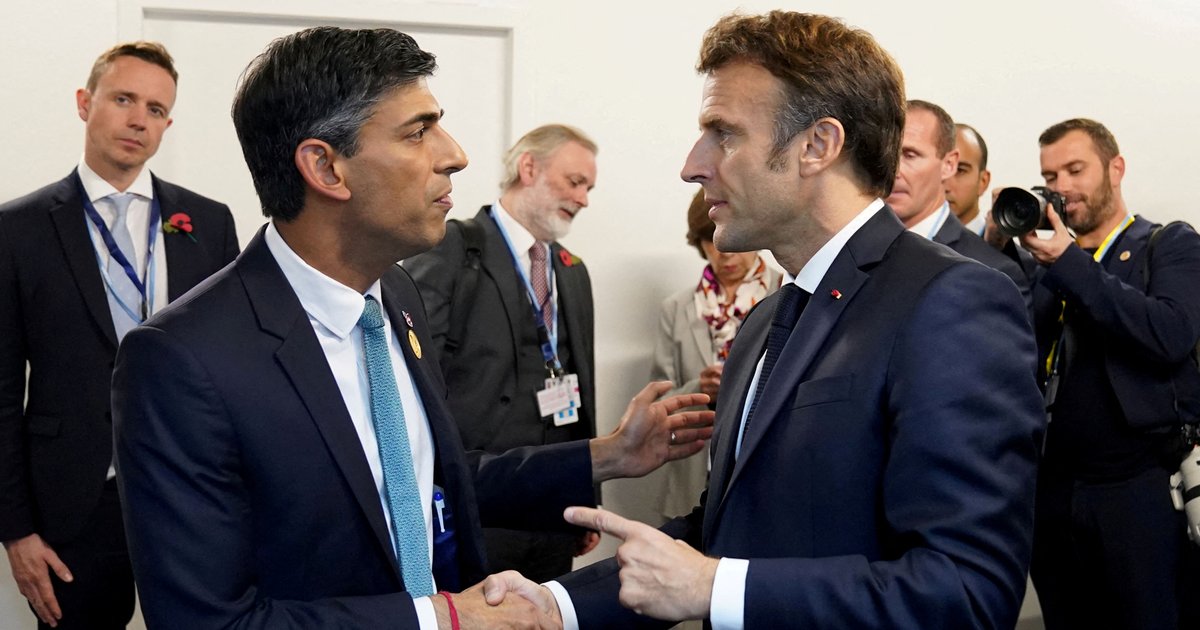
French President Emmanuel Macron begins an official visit to Japan, aiming to discuss the repercussions of the Middle East war and enhance cooperation in the fields of nuclear energy and space. This visit comes at a critical time, as Japan is experiencing increasing concerns about oil supplies, which may be affected by the ongoing conflict between the United States, Israel, and Iran.
This visit is part of Macron's efforts to strengthen bilateral relations with Tokyo, especially in light of growing global challenges. Macron is expected to discuss with Japanese officials how to enhance cooperation in nuclear energy, which is a key pillar of Japan's strategy to address climate change.
Event Details
Macron's visit to Japan comes at a sensitive time, as tensions in the Middle East escalate, raising concerns for many countries, including Japan. Japan heavily relies on oil imports, and any disruption in these supplies could significantly impact its economy. Macron is expected to discuss ways to enhance cooperation in nuclear energy with Japanese Prime Minister Fumio Kishida, especially following the Fukushima nuclear incident in 2011, which led to a comprehensive reevaluation of the country's energy policies.
The agenda for the visit will also include discussions on cooperation in space, as both France and Japan seek to strengthen their partnership in this vital area. Japan is one of the leading countries in space technology, while France has a long history in space research.
Background & Context
Historically, French-Japanese relations have been strong, dating back to the 19th century. However, the new challenges facing the world today, such as climate change and regional security, require greater cooperation among nations. In recent years, relations between France and Japan have seen significant growth, particularly in technology and energy sectors.
Japan is one of the largest oil consumers in the world, importing about 90% of its oil needs. Therefore, any escalation in conflicts in the Middle East, such as the U.S.-Israeli war against Iran, could have negative effects on the Japanese economy.
Impact & Consequences
The implications of Macron's visit to Japan extend beyond merely strengthening bilateral relations. Cooperation in nuclear energy and space could lead to improved energy security for Japan, reducing its dependence on unstable energy sources. Additionally, enhancing cooperation in space may open new avenues for technology and innovation between the two countries.
On the other hand, the ongoing tensions in the Middle East could affect the stability of global markets, negatively impacting the Japanese economy. Thus, Macron's visit may be a strategic step to bolster Japan's energy and economic security amid these changing circumstances.
Regional Significance
Macron's visit to Japan is part of broader efforts to enhance international cooperation in addressing global challenges. For Arab countries, this visit underscores the importance of international collaboration in energy and technology sectors. Moreover, the stability of the Arab region heavily depends on how major powers handle the current tensions.
In conclusion, Macron's visit to Japan presents an opportunity to strengthen bilateral relations, but it also serves as a reminder of the importance of international cooperation in facing increasing global challenges.