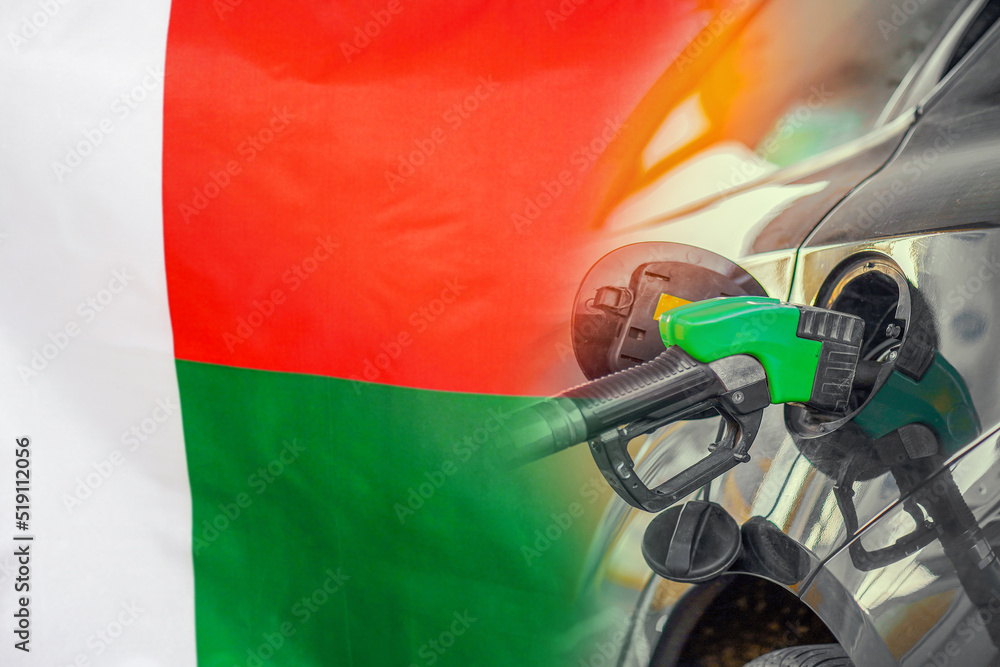
Madagascar announced a national state of emergency on Tuesday, April 7, due to a severe fuel shortage affecting the country. This shortage has arisen amid escalating conflicts in the Middle East, significantly impacting the nation's energy supplies. The Malagasy government has taken urgent measures to ensure the continuity of public services and mitigate the effects of this crisis.
In an official statement, the Cabinet reported that the declaration of a state of emergency would enable authorities to take exceptional measures to restore energy supplies. This decision comes at a time when the country is facing a deep crisis due to disruptions in energy supplies affecting the entire island.
Details of the Event
Madagascar, which heavily relies on imported fuel, is facing significant challenges in securing its energy needs. The ongoing conflict in the Middle East, particularly between the United States and Iran, has led to a rise in global oil prices, exacerbating the situation in Madagascar. The Malagasy government is now seeking to take swift action to alleviate the impacts of this shortage.
Other African countries have taken similar steps to address rising fuel prices. For instance, Zambia has eliminated the value-added tax on fuel and suspended customs duties on gasoline and diesel for three months. Meanwhile, Botswana has suspended road and fuel fees for six months to protect consumers from price hikes.
Background & Context
Madagascar, located in the Indian Ocean, is one of the largest islands in the world and faces numerous economic challenges. Historically, the country has depended on agriculture and fishing, but with the increasing demand for energy, it has become urgently necessary to secure sustainable energy supplies. Conflicts in the Middle East, which affect oil prices, cast a shadow over the Malagasy economy.
Previous crises in the region, such as the conflicts in Libya and Syria, have also impacted energy supplies in many African countries. With current tensions escalating, it appears that Madagascar will face even greater difficulties in securing its energy needs.
Impact & Consequences
The implications of declaring a state of emergency in Madagascar could be far-reaching. The energy shortage can affect all aspects of daily life, including education, health, and transportation. This crisis is expected to lead to price increases, further burdening citizens who are already suffering from difficult economic conditions.
The government needs to take swift and effective steps to mitigate the effects of this crisis. These measures may include seeking alternative energy sources, such as solar or wind energy, to ensure the sustainability of supplies in the future.
Regional Significance
The events in Madagascar highlight the importance of stable energy supplies worldwide, especially amid ongoing conflicts in the Middle East. Arab countries, which heavily rely on oil, must be aware of the repercussions of these crises on global energy markets.
As tensions in the region increase, Arab countries may face similar challenges in securing energy supplies. It is essential for Arab nations to collaborate to ensure the stability of energy markets and avoid future crises.