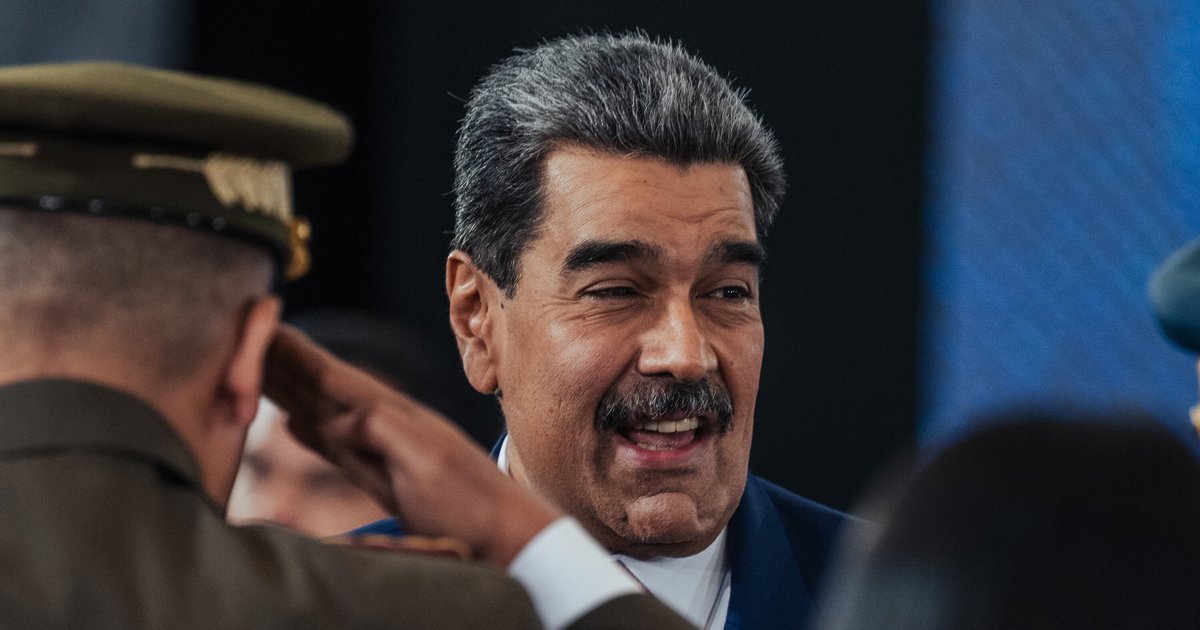
In their first message from their confinement in the United States, detained Venezuelan President Nicolás Maduro and his wife Cilia Flores emphasized their resilience and calmness, noting that they have received moral support from the Venezuelan people. This message comes approximately three months after their arrest during a nighttime raid conducted by American forces in the capital, Caracas.
The message, published on Maduro's account on the platform 'X', was released despite the unclear identity of the person who posted it, given their restriction from accessing the internet or reading newspapers in prison. In the message, the couple expressed their feelings of calmness and resilience, stating: "We are fine, steadfast, calm, and in continuous prayer." They also expressed admiration for the Venezuelan people's ability to remain united during difficult times.
Details of the Event
Maduro and his wife are being held at the Metropolitan Detention Center in Brooklyn, New York, a federal prison known for its unhealthy conditions. According to sources close to the Venezuelan government, Maduro spends his time reading the Bible and is referred to by some of his fellow inmates as "the president." He is only allowed to communicate with his family and lawyer through short phone calls not exceeding 15 minutes.
During the court session held last Thursday, the couple appeared before the judge, where they did not speak a word. The judge rejected the defense's plea regarding Maduro and his wife's inability to pay legal fees without financial assistance from the Venezuelan government. Since his first appearance in court on January 5 of this year, Maduro has not made any public statements, considering himself "kidnapped" by the United States.
Background & Context
These events follow a military operation by the United States that ousted Maduro in January, ending his rule that had lasted since 2013. This operation pushed oil-rich Venezuela to align with the policies of former US President Donald Trump. Currently, Delsy Rodríguez, Maduro's deputy since 2018, is leading the country amid severe economic challenges, despite Venezuela possessing the largest proven oil reserves in the world.
Since taking power, Rodríguez has issued a historic amnesty law to release political prisoners who were detained during Maduro's tenure, as well as implemented reforms to oil and mining regulations to meet US demands for access to the country's natural resources. In a move indicating a thaw in relations between the two countries, the US State Department announced this month the restoration of diplomatic relations with Caracas.
Impact & Consequences
The implications of Maduro and his wife's arrest extend beyond personal dimensions, affecting the political landscape in Venezuela. With ongoing economic and political pressures, these events may lead to radical changes in the way the country is managed, especially under Rodríguez's leadership, which seeks to improve relations with the United States.
These developments could also open the door for a new dialogue between the Venezuelan government and the US administration, potentially contributing to alleviating the political and economic tensions that Venezuela has suffered for years.
Regional Significance
These events hold particular significance for the Arab region, as they reflect global political changes and their impact on ruling systems. Venezuela's experience in facing external pressures could serve as a model for Arab countries facing similar challenges.
As some Arab nations seek to improve their relations with the West, Maduro and his wife's experience may influence how these countries handle political and economic pressures, prompting a reevaluation of their strategies.
In conclusion, all eyes remain on the developments in Venezuela, where the coming days may bring radical changes to the political landscape, both locally and internationally.