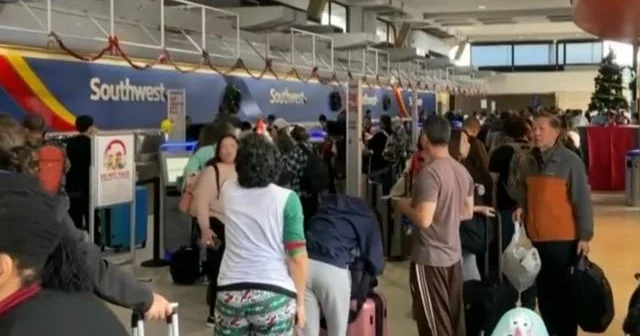
In a world characterized by rapid changes and ongoing crises, air travel has become an experience that demands considerable patience and adaptability. It is no longer just about moving from one point to another; it has transformed into a true test of one's ability to manage emotions and psychological pressure.
Feelings of stress among travelers are heightened due to the loss of control over time, especially when faced with flight delays or standing in long queues. This sensation intensifies in major airports, where security lines can stretch for hours, increasing anxiety and tension.
Event Details
Reports indicate that technical malfunctions and ground service disruptions play a significant role in exacerbating chaos, affecting thousands of travelers simultaneously. Additionally, international crises and conflicts directly impact flight operations, contributing to a sense of uncertainty.
So, how can travelers cope with these circumstances? The first step is to arrive at the airport three hours before the flight, allowing ample time to handle any emergencies. It is also advisable to prepare in advance by knowing passenger rights in case of delays or cancellations.
Background & Context
Historically, air travel has faced numerous challenges, ranging from economic crises to global pandemics. As the number of travelers increases, understanding how to manage psychological pressure during travel has become essential. In recent years, airports have become more crowded, necessitating travelers to develop strategies for adapting to this chaos.
Technology also plays a role in enhancing the travel experience, as travelers can track flight statuses through various apps, providing them with a greater sense of control over the situation.
Impact & Consequences
The chaos in airports affects travelers' mental well-being, potentially leading to feelings of anxiety and frustration. However, with proper preparation and planning, travelers can turn this experience into an opportunity for learning and adaptation. Staying calm while traveling does not mean the absence of emotions, but rather the ability to distinguish between what can be controlled and what cannot be changed.
This awareness helps travelers adapt to sudden changes, such as flight delays or gate changes, making the travel experience smoother.
Regional Significance
In the Arab region, where air traffic is noticeably increasing, it becomes crucial to understand how to deal with chaos in airports. Arab travelers need to develop skills to adapt to changing conditions, contributing to an improved travel experience.
Ultimately, traveling in a chaotic world reflects humanity's ability to adapt to what cannot be controlled. As crises and challenges continue, the traveler who invests in planning and adaptability will always find a way to reach their destination, even in the toughest circumstances.