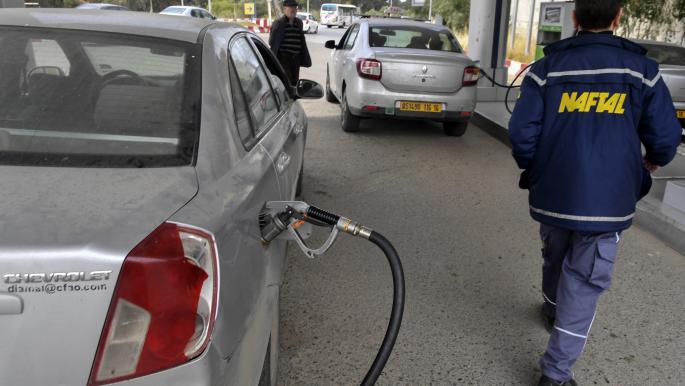
Algeria continues to maintain stable fuel prices, despite global crises and wars, thanks to effective government support and administrative pricing strategies. This approach has helped absorb external shocks and ensure local production continuity.
Reports indicate that Algeria, one of Africa's largest oil producers, has managed to overcome the impacts of global energy price increases. The Algerian economy heavily relies on the energy sector, making price stability vital for sustaining economic growth.
Details of the Situation
Despite the geopolitical tensions in the region, including armed conflicts in some neighboring countries, fuel prices in Algeria remain stable. The Algerian government has taken effective steps to ensure that the local market is not affected by global price fluctuations. This stability reflects Algeria's ability to manage its resources effectively, enhancing its position as a major energy supporter in the region.
By administratively pricing fuel, Algeria has been able to control prices, which has helped reduce inflationary pressures on citizens. Additionally, local production of oil and gas plays a pivotal role in this equation, as it meets domestic market needs without reliance on imports.
Background & Context
Historically, Algeria has experienced significant fluctuations in fuel prices, especially during global economic crises. However, current government policies focus on enhancing economic stability through support for the energy sector. Since 2014, when oil prices sharply declined, the Algerian government has been implementing new strategies aimed at reducing dependence on oil revenues.
These strategies include diversifying the economy and strengthening other sectors such as agriculture and industry. Nevertheless, the energy sector remains the backbone of the Algerian economy, making price stability crucial.
Impact & Consequences
The stability of fuel prices in Algeria has positive effects on the national economy. It enhances citizens' purchasing power and reduces transportation and production costs, thereby boosting the competitiveness of Algerian products in both local and international markets. Furthermore, this stability may attract foreign investments, as companies seek stable environments for investment.
However, the biggest challenge remains how to maintain this stability amid changing global conditions. Political and economic tensions worldwide could impact oil prices, requiring the Algerian government to continue developing effective strategies to address these challenges.
Regional Significance
Algeria serves as a model in the Arab region, where many countries face significant challenges in managing fuel prices. Amid the economic and political crises affecting some nations, Algeria's experience in maintaining price stability can inspire other countries.
Moreover, the stability of fuel prices in Algeria may contribute to enhancing regional cooperation in the energy sector, helping to achieve energy security in the region. Given global challenges, the need for effective strategies to manage energy resources remains essential.
In conclusion, Algeria emerges as a country capable of facing global economic challenges through effective strategies in managing fuel prices. There is hope that these policies will continue to achieve sustainable development in the future.