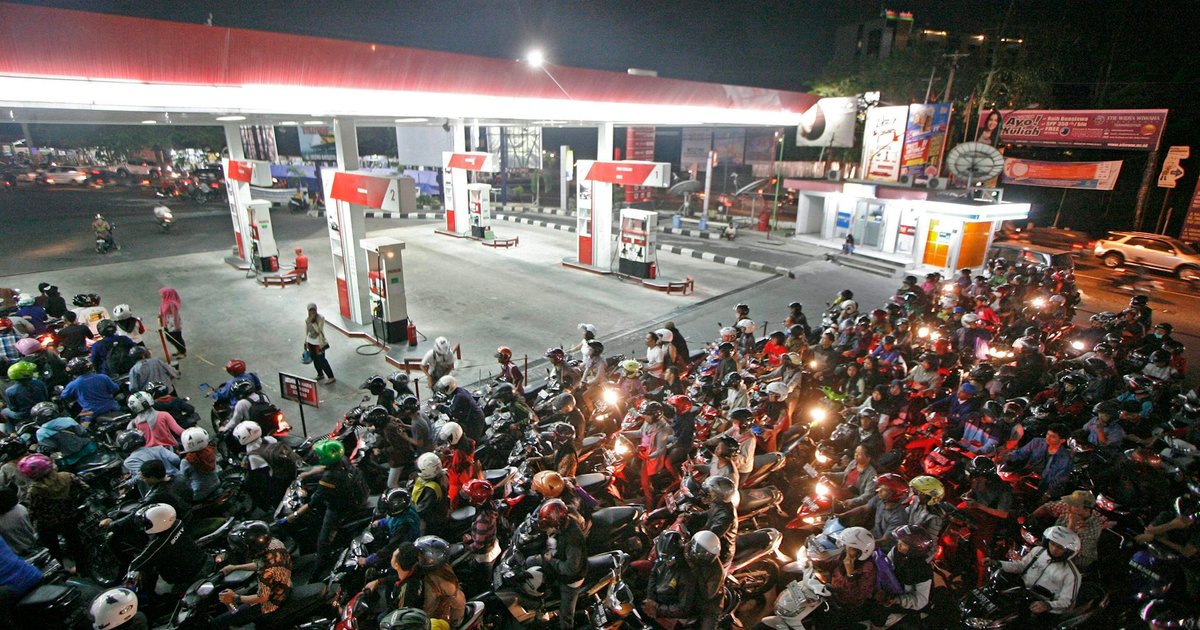
Indonesian Finance Minister Sri Mulyani Indrawati confirmed that the country's subsidized fuel prices will not increase until the end of 2023. She explained that the government has sufficient financial reserves to support this decision, reflecting the government's commitment to maintaining price stability amid volatile global economic conditions.
This announcement comes at a time when many countries are experiencing significant increases in fuel prices, raising concerns among citizens. The Indonesian government aims to alleviate the burden on citizens through this decision, especially amidst the economic crises faced by many families.
Details of the Decision
The minister indicated that the government is working on well-thought-out financial plans to ensure the sustainability of government support for fuel. A special budget has been allocated for this purpose, reflecting the efforts made to meet citizens' needs. She also confirmed that the government will continue to monitor both global and local markets to ensure that no negative fluctuations affect subsidized fuel prices.
Subsidized fuel in Indonesia is considered a fundamental element in the lives of citizens, as many rely on it for their daily commutes and economic activities. Therefore, the stability of its prices is vital for maintaining the living standards of the population.
Background & Context
Historically, Indonesia has faced numerous economic challenges, particularly in the energy and resources sectors. In recent years, the government has been striving to balance price support with maintaining the public budget. The increase in global oil prices has exerted significant pressure on the Indonesian economy, prompting the government to take proactive steps to avoid potential crises.
In 2022, Indonesia faced substantial challenges due to rising energy prices, which led the government to reassess its financial policies. However, the decision to keep subsidized fuel prices unchanged until the end of the year reflects the government's success in managing these challenges.
Impact & Consequences
The government's decision not to raise subsidized fuel prices is a positive step that reflects its commitment to citizens. This decision will contribute to enhancing economic stability and alleviating financial pressures on families. It also demonstrates the government's ability to manage financial crises effectively, boosting confidence in economic policies.
However, the government must be prepared to face any future challenges that may arise due to fluctuations in global markets. Sustaining financial support for fuel may require ongoing reassessment to ensure its viability.
Regional Significance
This decision is significant not only for Indonesia but also for the broader Southeast Asian region, where many countries are grappling with similar economic pressures. By maintaining stable fuel prices, Indonesia sets an example for its neighbors on how to manage economic challenges while supporting citizens.
In conclusion, the Indonesian government's commitment to stabilizing fuel prices until the end of 2023 is a crucial measure that underscores its dedication to economic stability and the welfare of its citizens.