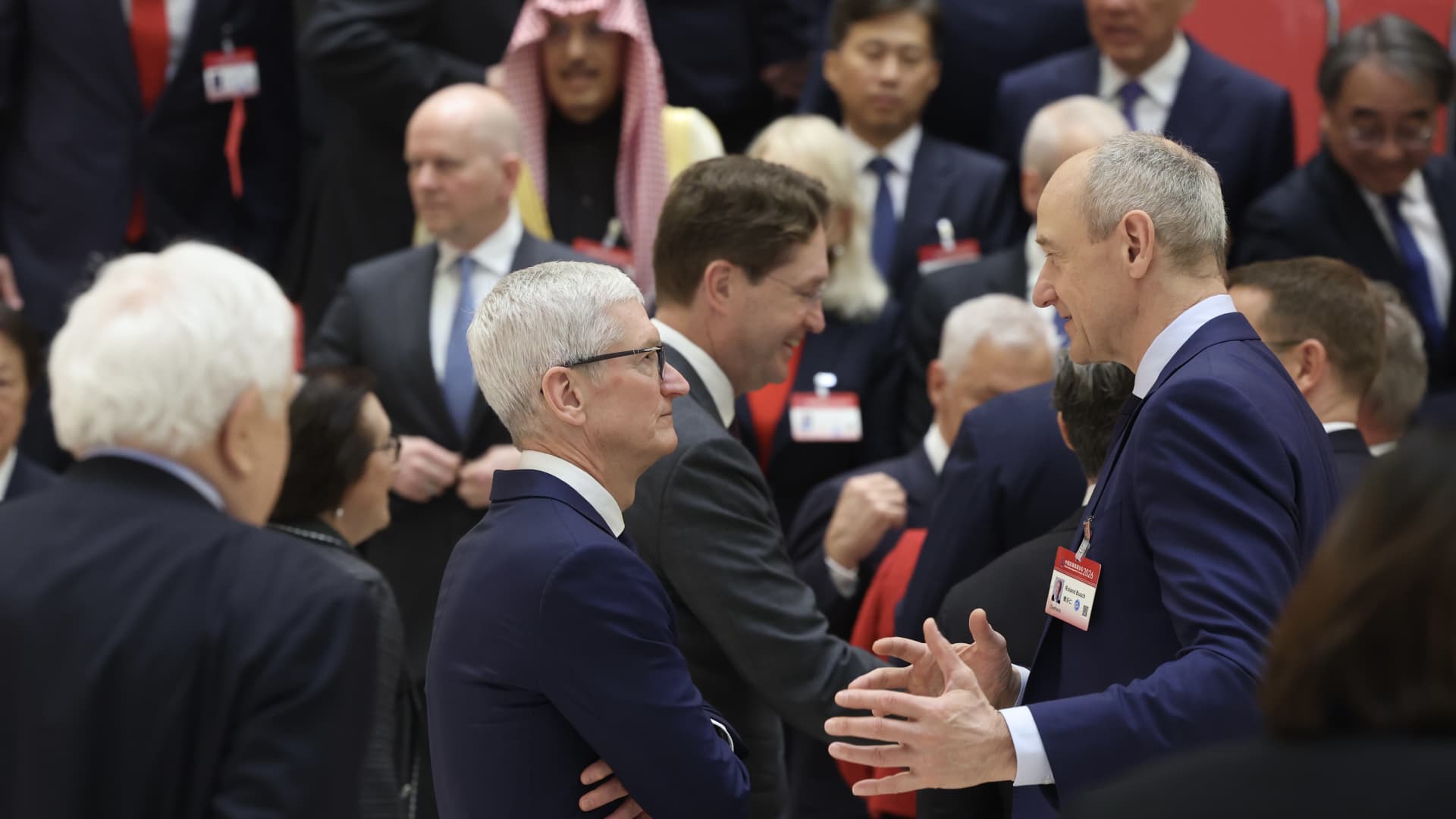
The Chinese Development Forum held in Beijing this week brought together over 80 executives from major global companies, showcasing their determination to enhance their activities in the Chinese market amid global crises. Among the attendees were officials from prominent firms such as Apple and Eli Lilly, who emphasized the importance of the Chinese market as an investment hub despite external pressures.
During the forum, Chinese Prime Minister Li Qiang expressed optimism about the country's economic future, highlighting the rapid technological advancements within the local economy. He affirmed that the government will continue to open new markets for foreign companies and improve investment conditions.
Event Details
Executives' speeches at the forum addressed the urgent need to restore growth in China following years of negative repercussions from the COVID-19 pandemic and economic slowdown. Tim Cook, CEO of Apple, stated that over 90% of the company's production in China relies on clean energy, expressing their commitment to continue partnering with local suppliers to achieve sustainable development.
The flow of investments continued as David Ricks, CEO of Eli Lilly, announced a plan to invest $3 billion in China over the next decade, pointing to the significant potential of the pharmaceutical market.
Background & Context
This move comes amid trade tensions that have characterized U.S.-China relations, where a trade truce was reached last October, leading to reduced tariffs. These developments indicate a noticeable improvement in relations despite ongoing challenges. In recent years, China has undergone radical transformations, focusing on developing technological capabilities and local production.
On another note, reports indicate that many foreign companies, including Volkswagen, are seeking to strengthen their partnerships with the Chinese government to ensure market stability and bolster their influence in various sectors.
Impact & Consequences
Major companies are increasingly recognizing the importance of the Chinese market in rebuilding trade relations, especially following the crisis triggered by the pandemic. While local companies struggle to regain balance after years of slowdown, countries like China are striving to attract more foreign investments, which are a cornerstone for achieving their economic goals.
Additionally, the rising investments highlight a potential shift in technological integration and innovation, which could enhance China's competitiveness on a global scale and thus modernize its various production sectors.
Regional Significance
The Chinese market represents a significant opportunity for Arab countries, as they can leverage increasing trade relations with China to enhance commercial exchanges. While many global markets have declined, the Chinese market remains an attractive destination for Arab investments across various dimensions.
Arab nations can strengthen their strategic partnerships with China, particularly in technology and energy sectors, contributing to long-term economic growth.
In conclusion, the meeting in Beijing signals a revival of the relationship between major companies and the Chinese market, potentially paving the way for new decades of effective partnerships despite global challenges.