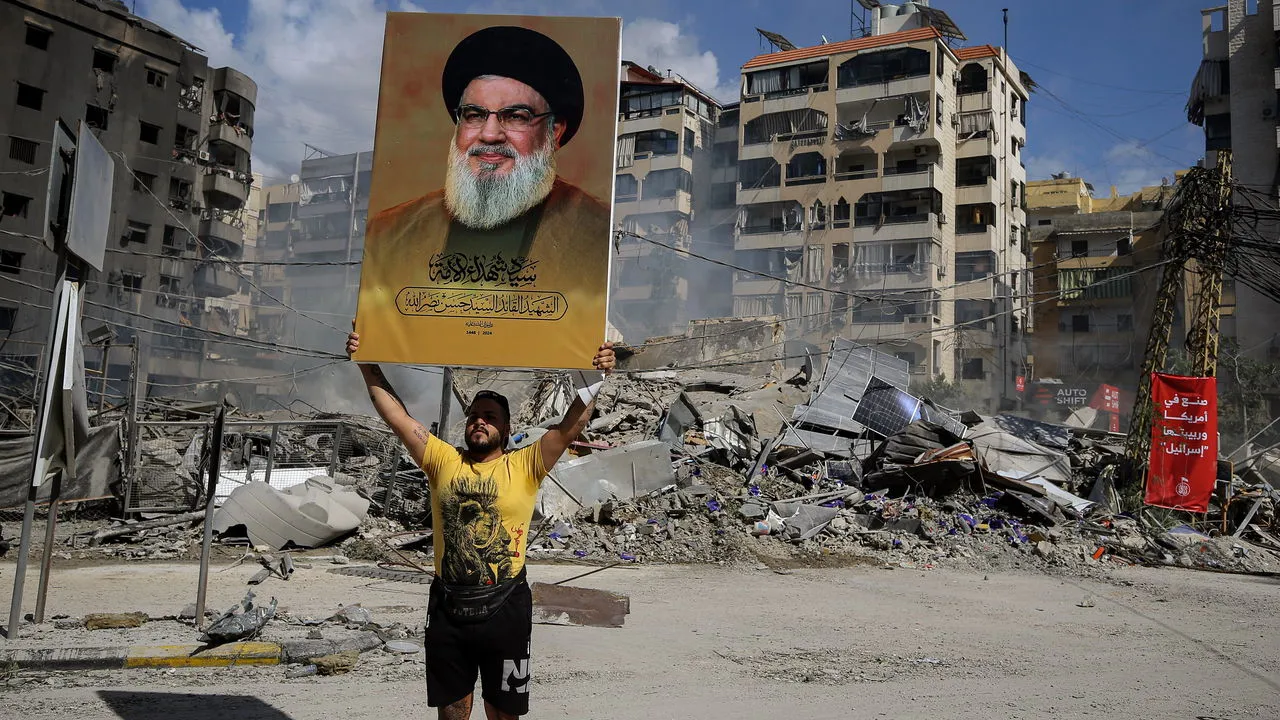
The major hedge funds, known for generating stable returns, were significantly affected in March, incurring notable losses due to the disruptions caused by the war in the Middle East. These events led to a decline in financial markets across energy, bonds, and equities, forcing traders to reassess their financial positions.
Global financial markets witnessed sharp fluctuations, with oil and gas prices dropping significantly, impacting hedge fund investments that rely on the stability of these markets. Additionally, the political unrest in the region has increased uncertainty, prompting investors to make quick and unexpected decisions.
Details of the Event
As the conflict in the Middle East escalated, financial markets experienced severe volatility. Hedge funds that anticipated stable and good returns found themselves in a challenging position. Many of these funds were forced to reduce their financial positions, which increased pressure on the markets.
Reports indicate that some of the largest funds, previously considered among the most successful in the world, suffered losses reaching significant percentages during this month. These losses come at a sensitive time, as markets were already grappling with economic pressures due to rising interest rates and inflation.
Background & Context
Historically, the Middle East has always been of interest to investors due to its natural wealth, particularly oil. However, ongoing conflicts in this region often lead to fluctuations in global markets. Over the years, we have seen how wars and disputes affect oil prices, which directly impacts the global economy.
In recent years, the intensity of conflicts in the Middle East has increased, exacerbating economic crises. These crises make it difficult for investors to make informed decisions, further increasing uncertainty in the markets.
Impact & Consequences
The impact of these events is not limited to hedge funds but extends to global financial markets as a whole. With increasing pressure on energy prices, we may witness a rise in the cost of living in many countries, affecting the global economy.
Moreover, these events could lead to changes in investment strategies, as investors may shift towards safer assets amid uncertainty. This trend could impact future economic growth, as investments in higher-risk sectors may decline.
Regional Significance
For the Arab region, these developments carry significant implications. Countries reliant on oil exports may face new challenges due to price fluctuations. Additionally, foreign investments could be affected, which may impact economic growth in these countries.
In light of these circumstances, Arab governments must consider new strategies to address these challenges, including diversifying their economies and reducing reliance on oil as a primary source of revenue.
Recent events in the Middle East highlight the importance of being prepared to face economic crises. Investors and hedge funds must be more cautious in their strategies and anticipate greater volatility in the future.