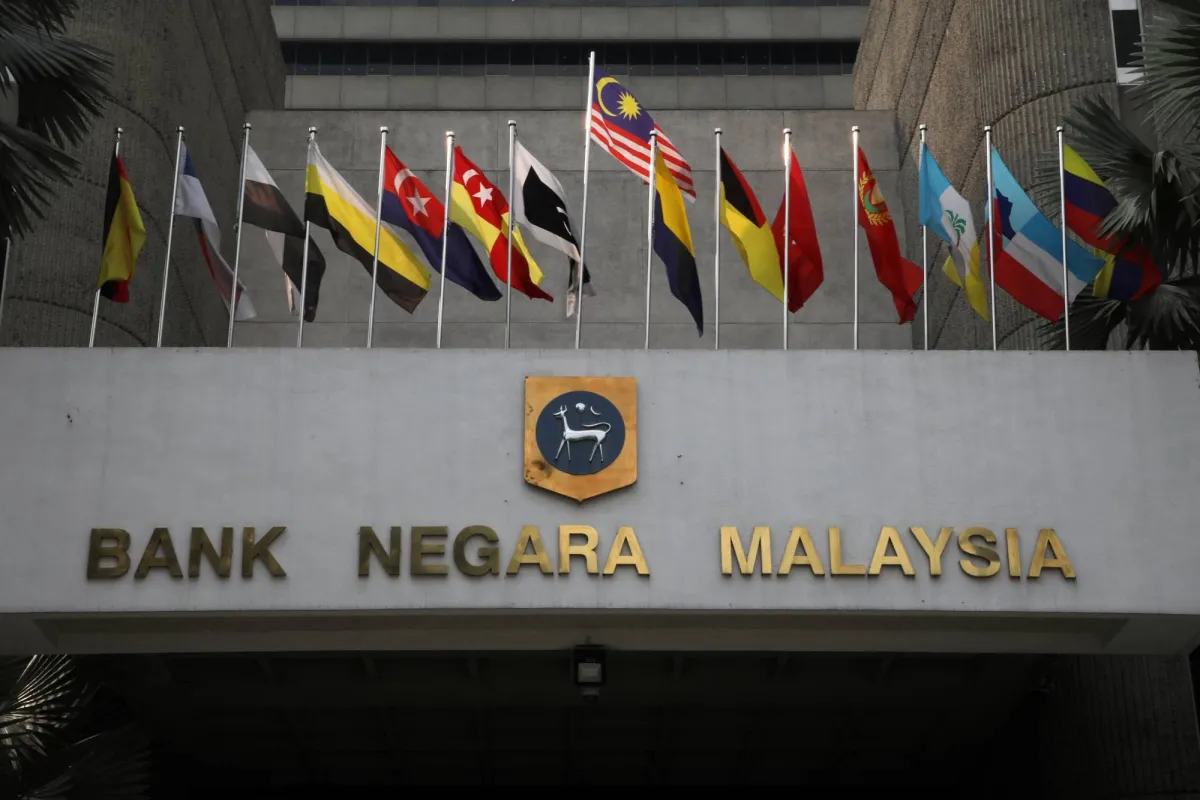
The Central Bank of Malaysia reported on Tuesday that the Malaysian economy is on a solid path, with expectations for faster growth in 2026 compared to previous estimates. This comes despite challenges related to trade disruptions and rising fuel prices due to the conflict in the Middle East.
The bank expects Malaysian economic growth to range between 4% and 5% this year, up from a previous forecast of 4% to 4.5%. This growth is attributed to strong consumer spending, ongoing demand for electrical and electronic exports, and a stable tourism sector, according to documents from the 2025 annual report.
Event Details
The Central Bank noted that scenarios of war in the Middle East were taken into account when formulating growth forecasts for 2026. It warned that prolonged conflict could pose risks to these forecasts. In a press conference, the bank's governor, Abdul Rashid Ghafur, stated, "If things really worsen, we will certainly revise the growth forecasts as needed."
These optimistic forecasts come in the context of strong performance from the Malaysian economy, which saw GDP growth of 5.2% in 2025, exceeding government expectations, supported by record values in trade and approved investments. Abdul Rashid explained that Malaysia's strength as a net energy exporter and the financial reforms implemented last year are likely to provide some protection against the economic impacts of war.
Background & Context
The Malaysian economy faces numerous challenges, including rising fuel prices due to regional conflicts, which have led to increased government subsidy expenditures. These expenditures are expected to reach 4 billion ringgit (approximately 994 million USD) monthly to maintain a fixed price for transportation fuel "RON 95," compared to 700 million ringgit previously.
The Central Bank anticipates that inflation will remain moderate throughout 2026, with estimates for the general inflation rate ranging between 1.5% and 2.5%, slightly up from 1.4% last year. Core inflation is also expected to range between 1.8% and 2.3%, compared to 2% in 2025.
Impact & Consequences
The Central Bank confirmed that the Monetary Policy Committee is on standby to deal with any potential developments from the conflict in the Middle East, ensuring market stability and managing risks from excessive volatility. The bank also kept the benchmark interest rate unchanged at 2.75% for the fourth consecutive meeting this month.
Despite the fluctuations caused by the war, Abdul Rashid affirmed that the overall outlook for the Malaysian currency is positive, noting that the ringgit has been among the best-performing currencies in Asia over the past 12 months. Although it has declined since the onset of the conflict, it reached its highest levels against the US dollar since 2018 in February.
Regional Significance
Malaysia is indirectly affected by conflicts in the Middle East, as rising oil prices impact the global economy, including Arab countries. Additionally, geopolitical tensions may lead to fluctuations in financial markets, affecting investments and trade in the region.
In conclusion, challenges remain for the Malaysian economy, but positive forecasts indicate the country's ability to navigate crises, reflecting the resilience of the Malaysian economy in the face of global difficulties.