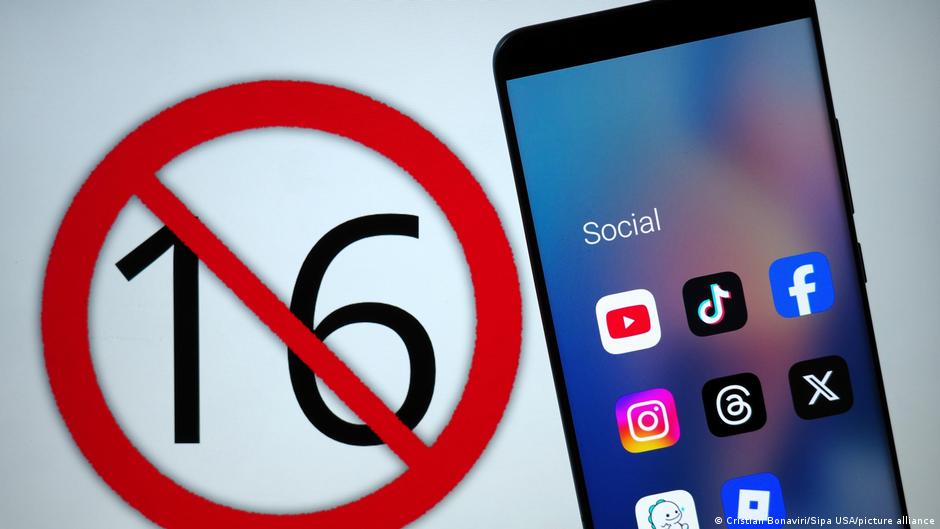
In a controversial move, Malaysia has imposed a ban on the use of social media for children under the age of 16 starting June 1. This legislation is part of the government's efforts to shield children from the growing dangers they face online.
The new laws require major social media companies to prevent individuals under 16 from registering or maintaining accounts. These platforms must also verify users' ages and enhance protections against harmful content, cyberbullying, fraud, and addictive design features.
Details of the Ban
This ban is seen as part of a broader strategy to protect children in Malaysia, where it is estimated that around 8 million out of 36 million people in the country are under the age of 16. Officials state that this measure aims to safeguard children rather than completely cut them off from technology.
Amid rising concerns about minors facing online risks, Malaysian Prime Minister Anwar Ibrahim emphasized that this step is necessary following an increase in youth-related crimes, referencing a tragic incident involving the murder of a 16-year-old girl.
Background & Context
This initiative comes at a time when governments worldwide are tightening regulations related to online child safety. Australia became the first country to ban social media for individuals under 16, followed by Indonesia, which imposed similar restrictions last March.
Concerns are mounting in several European countries regarding the impact of social media on mental health, sleep, education, and individual safety, prompting some nations to take measures to verify users' ages.
Impact & Consequences
While many parents view these restrictions as overdue, there are criticisms from digital rights advocates and some parents questioning the effectiveness of the ban in practice. The United Nations High Commissioner for Human Rights noted that children can easily bypass these restrictions, potentially exposing them to greater risks.
Some experts believe that the ban may not be a comprehensive solution, but it could compel companies to improve age verification systems and design safer platforms for younger users. However, the success of this ban hinges on how it is enforced and its effectiveness in reducing risks.
Regional Significance
This move in Malaysia holds particular importance for the Arab region, where many countries face similar challenges in protecting children from digital dangers. The Malaysian experience could serve as either a model to emulate or a warning about the potential risks associated with implementing such policies.
Ultimately, it requires a balance between protecting children from digital threats and ensuring their rights to privacy and freedom online.