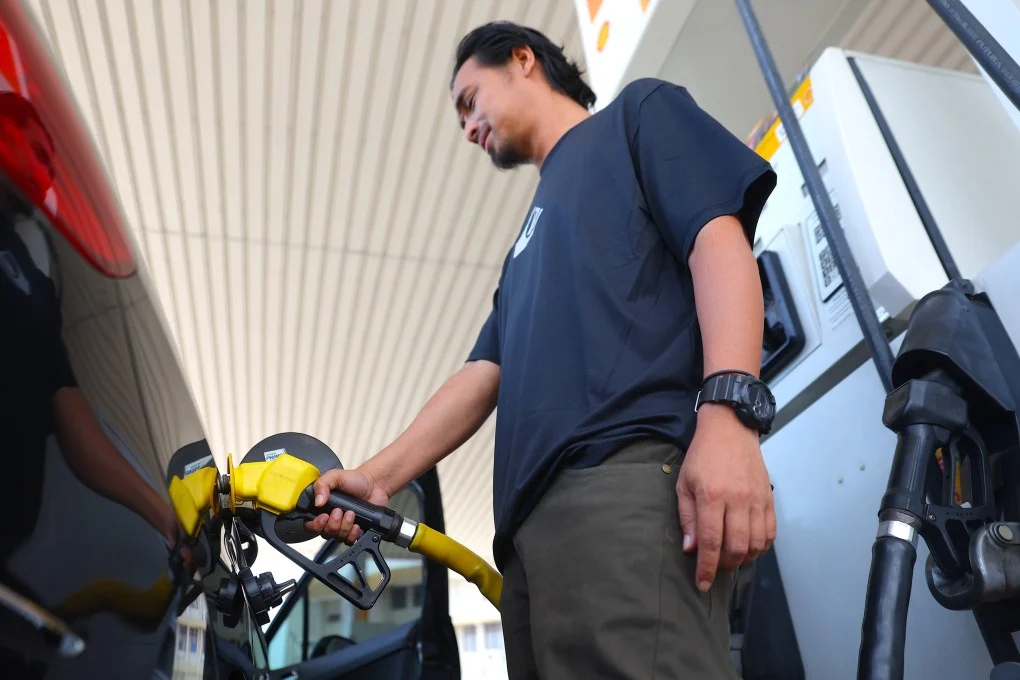
Malaysian Transport Minister Anthony Loke has warned that the country is facing a serious energy crisis, prompting the Malaysian government to declare a state of emergency to tackle the significant rise in energy costs. Loke confirmed that energy prices have seen a notable increase exceeding 100% over the past month, raising concerns about the sustainability of electricity supplies in the country.
In statements made on Tuesday, Loke said, "This is not a matter for laughter or jokes; it is extremely serious." These remarks come at a time when many countries are suffering from disruptions in energy supplies due to global crises, which adds pressure on the Malaysian economy.
Details of the Situation
Loke reported that the government is taking urgent measures to address this crisis, noting that the current situation requires a swift and effective response. Although electricity supplies are still available at the moment, the significant rise in prices may impact citizens' and businesses' ability to bear the costs.
He also indicated that the government is exploring multiple options to mitigate the effects of this crisis, including seeking alternative energy sources and enhancing energy efficiency. This comes in the context of the Malaysian government's efforts to achieve sustainability in the energy sector.
Background & Context
Historically, Malaysia has undergone significant transformations in the energy sector, heavily relying on fossil fuels. As global pressures increase to transition to more sustainable energy sources, the country faces substantial challenges in meeting its energy needs. Global crises, including geopolitical conflicts and climate change, have exacerbated the current situation.
In recent years, the Malaysian government has begun exploring renewable energy sources, such as solar and wind power, as part of its strategy to reduce dependence on fossil fuels. However, transitioning to these sources requires significant investments and strategic planning.
Impact & Consequences
The current energy crisis in Malaysia serves as a wake-up call for many other countries that rely on traditional energy supplies. Continuous increases in energy prices may lead to negative impacts on the economy, including rising living costs and a slowdown in economic growth.
Furthermore, this crisis may affect foreign investments in the country, as companies may hesitate to invest in an unstable environment. The Malaysian government is expected to seek rapid actions to prevent the situation from worsening.
Regional Significance
Many Arab countries are also facing similar challenges in the energy sector, as they heavily depend on oil and gas exports. Disruptions in global energy supplies may have negative effects on the economies of these countries, necessitating urgent measures to ensure the sustainability of supplies.
Additionally, cooperation among Arab countries in the energy sector may become increasingly important in light of these crises, as countries can share expertise and resources to enhance energy security in the region.
In conclusion, the current energy crisis in Malaysia highlights the importance of strategic planning and international cooperation to address future challenges, as the current situation requires a swift and effective response from all nations to ensure energy sustainability.