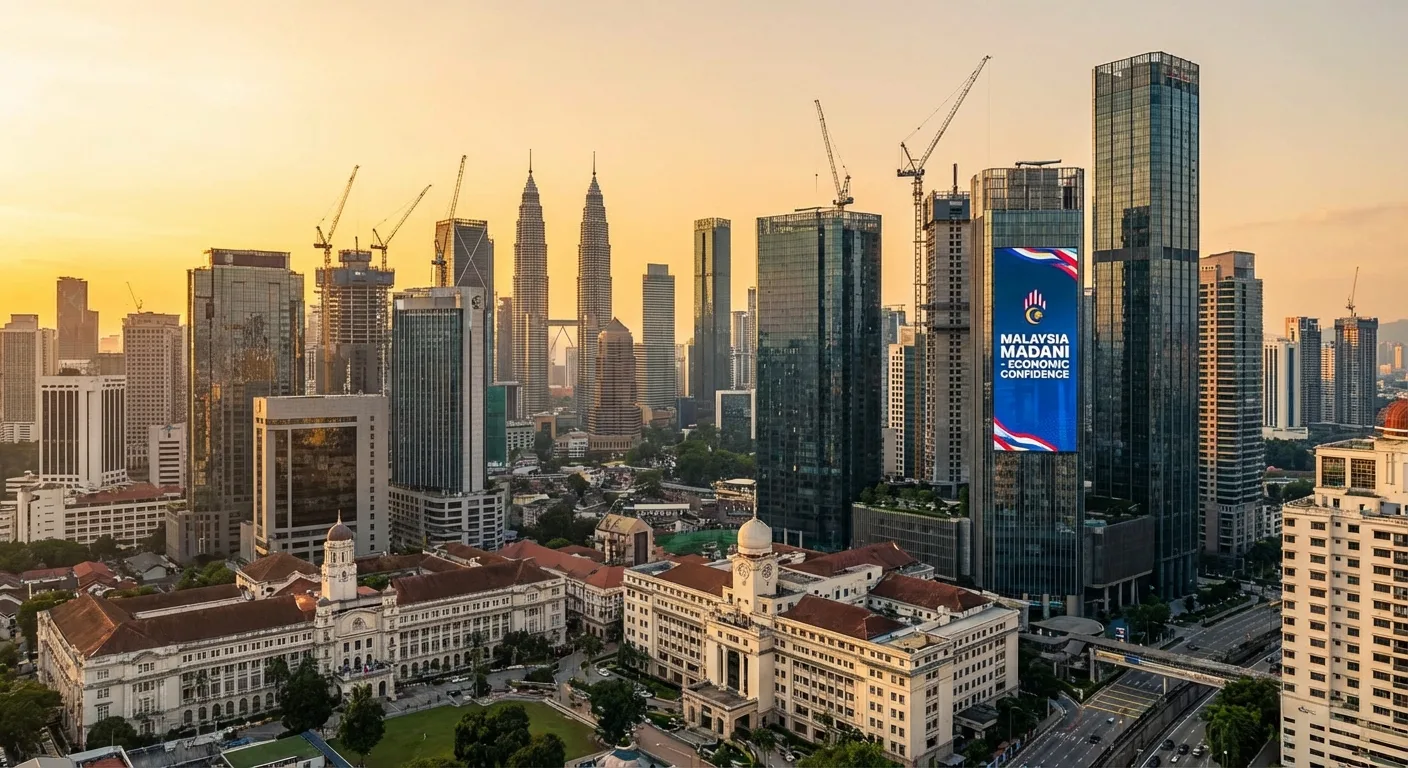
Malaysia has announced positive forecasts for its economic growth in 2026, with the Central Bank of Malaysia projecting growth between 4% and 5%. This represents a slight increase from previous forecasts, which ranged from 4% to 4.5%. These forecasts come at a time when many countries are grappling with the impacts of conflicts in the Middle East and rising fuel prices.
The Central Bank of Malaysia, known as Bank Negara Malaysia, indicated that the challenges stemming from high oil prices and trade disruptions will not significantly impact the country's economic growth. The bank affirmed that Malaysia is facing these challenges from a position of strength, benefiting from strong domestic demand, a sound financial sector, and moderate inflation rates.
Event Details
In its annual report for 2025, Bank Negara Malaysia clarified that growth in 2026 will depend on several factors, including robust household spending, investments, sustained demand for electrical and electronic exports, and stable tourism. Malaysia achieved a growth rate of 5.2% in 2025, surpassing expectations, with the country recording a record value in trade and approved investments.
The bank also noted that inflation is expected to remain moderate in 2026, thanks to policies aimed at mitigating the impact of rising commodity and energy prices. However, the government's financial support bill has significantly increased since the onset of the conflict, with the government expected to spend 4 billion ringgit (approximately 994 million USD) monthly to maintain a fixed price for widely used fuel.
Background & Context
Historically, Malaysia has relied heavily on its oil and gas exports, making it an energy-exporting nation. As conflicts in the Middle East escalate, oil prices have been significantly affected, leading to increased costs for importing countries. Nevertheless, Malaysia's status as an energy-exporting country provides it with some protection from these fluctuations.
Furthermore, the economic policies implemented by the Malaysian government in recent years, including the promotion of domestic and foreign investments, have contributed to stabilizing the national economy. These policies have helped attract foreign investments, reflecting investors' confidence in the Malaysian economy.
Impact & Consequences
Many countries expect that conflicts in the Middle East will affect their economic activity, but Malaysia's positive outlook suggests that the country may be able to navigate these crises. The economic stability enjoyed by Malaysia could make it an attractive destination for investments in the region, potentially aiding in sustainable growth.
On the other hand, rising fuel prices could lead to increased inflationary pressures, necessitating appropriate measures from the government and the central bank to maintain price stability. The central bank has indicated its readiness to intervene to ensure market stability and manage risks associated with fluctuations.
Regional Significance
Malaysia serves as a model for handling economic crises, especially given the challenges faced by Arab countries due to conflicts and disputes. The sustainable growth achieved by Malaysia could be a template for Arab nations seeking to enhance their economies under difficult circumstances.
In conclusion, Malaysia remains in a strong position despite global challenges, reflecting the Malaysian economy's ability to adapt and grow in times of crisis. The positive growth forecasts may open new avenues for economic cooperation between Malaysia and Arab countries, enhancing opportunities for partnership and trade exchange.