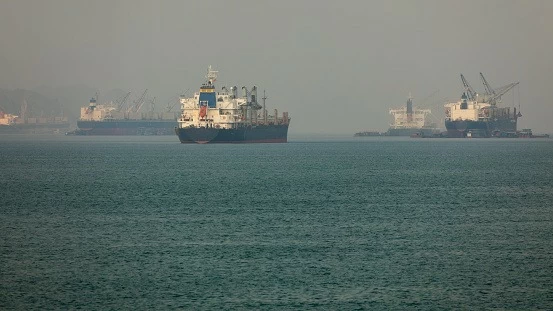
The Malaysian government announced today, Wednesday, that Malaysian ships waiting to transit the Hormuz Strait have been granted permission to pass without the need to pay any transit fees to Iran. This move is part of enhancing diplomatic relations between Malaysia and Iran, amidst escalating tensions in the region.
During a regular press conference, Malaysian Communications Minister Fahmi Fadzil confirmed that "we have several ships waiting to transit the Hormuz Strait, and they have been allowed to pass without having to pay any transit fees to Iran. We will not pay any fees, contrary to what some internet users may have misunderstood." Fadzil also noted that the situation is under control, and that only official statements are recognized regarding fuel prices and supplies.
Details of the Event
Earlier, Iran announced that it would only allow non-hostile ships to transit through the Hormuz Strait, in coordination with the relevant Iranian authorities. This announcement comes amid rising tensions in the Middle East, where the Iranian parliament approved legislation allowing for transit fees to be imposed on ships passing through the Hormuz Strait, which is considered one of the most important oil transit routes in the world, with approximately 20-30% of global oil supplies and a significant portion of liquefied natural gas passing through it.
Reports indicate that Iran has begun to implement a selective policy, allowing ships from "friendly" countries to pass for free or safely, while imposing restrictions or fees on ships associated with countries involved in the conflict or considered hostile, such as the United States and Israel.
Background & Context
The relationship between Malaysia and Iran has historically been good, with both countries seeking to enhance cooperation in various fields. Although Malaysia is an oil-producing country, it relies on importing a significant portion of its oil needs, with approximately 50% of its oil supplies passing through the Hormuz Strait. The tensions in the region have led to a rise in global oil prices, prompting the Malaysian government to increase fuel subsidies from 700 million ringgit monthly to 3.2 billion ringgit to maintain local price stability at least until May.
These developments come at a sensitive time for the region, as concerns grow over the impact of geopolitical tensions on global energy markets.
Impact & Consequences
This step by the Malaysian government underscores the importance of diplomatic relations in securing its economic interests. The exemption of Malaysian ships from transit fees reflects Malaysia's ability to negotiate with major countries in the region, thereby strengthening its position in the global oil market.
Additionally, this move could impact global oil prices, as any increase in fees or restrictions on ships transiting the Hormuz Strait could lead to price hikes, affecting economies reliant on oil.
Regional Significance
The Middle East is a vital hub for global energy supplies, and any changes in Iranian policies regarding ship passage could significantly affect neighboring Arab countries. The stability of traffic in the Hormuz Strait is crucial for Gulf countries, which heavily rely on oil exports.
In conclusion, these developments indicate the importance of diplomatic relations in securing economic interests and highlight the need for dialogue and cooperation among countries amid changing conditions in the region.