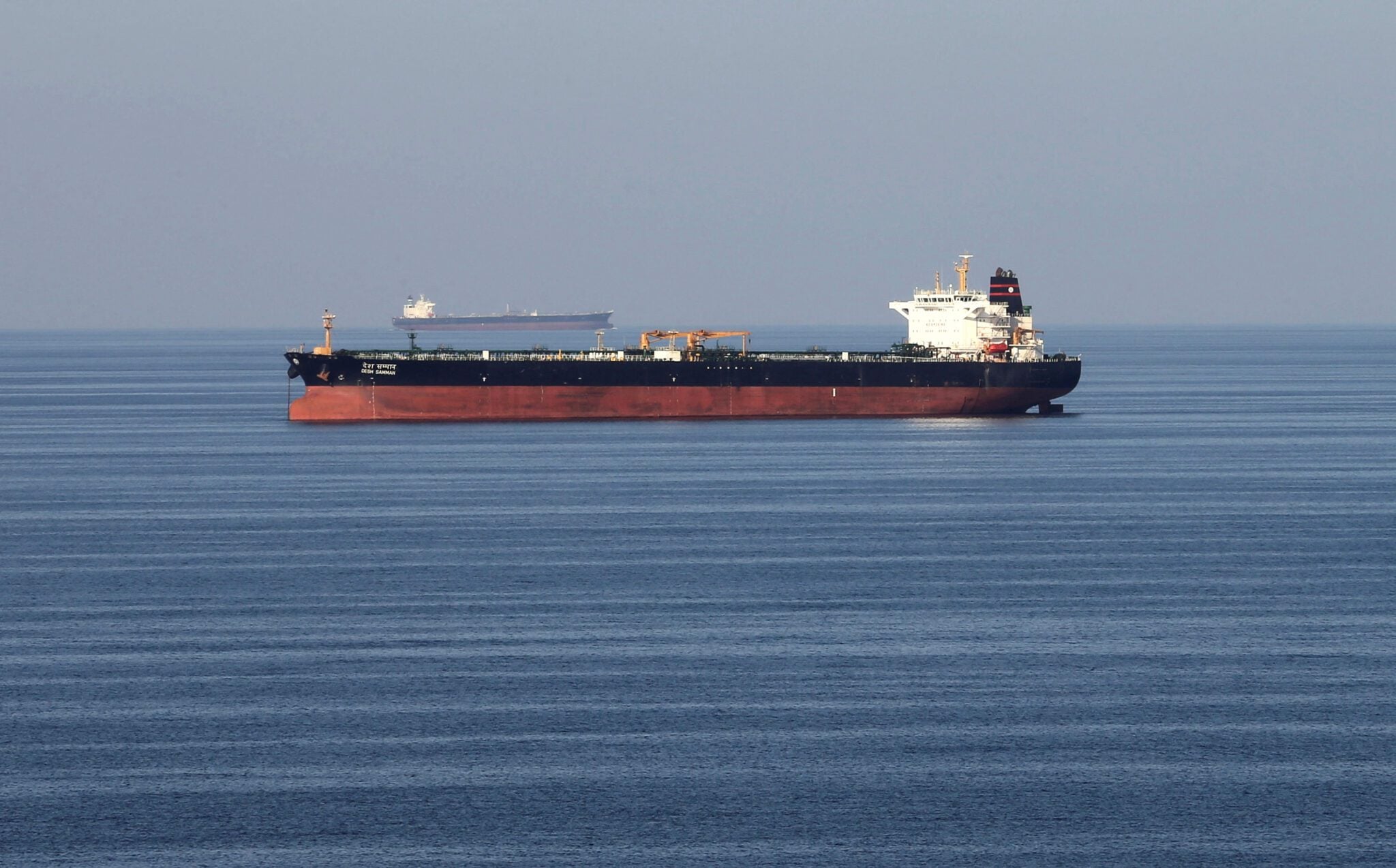
Malaysian Transport Minister Anthony Loke announced that the country's tankers permitted to sail through the Strait of Hormuz will not be subject to any fees imposed by Iran. This decision reflects the growing relations between Malaysia and Iran amid changing geopolitical conditions in the region.
This step is significant in the context of enhancing economic cooperation between the two countries, as both sides seek to boost maritime trade and facilitate shipping movements. This announcement comes at a time when pressure is increasing on the Strait of Hormuz, which is considered one of the most important maritime passages in the world, through which approximately 20% of the world's total oil passes.
Details of the Announcement
Loke stated that the Malaysian government has received guarantees from Iran regarding the non-imposition of any fees on its tankers. This measure is seen as a positive step towards strengthening trade relations between the two countries, especially in light of the economic challenges many nations in the region are facing.
The Strait of Hormuz is a vital point in global trade, used for transporting oil and natural gas. The region has witnessed increasing tensions in recent years, affecting shipping movements and oil prices. Therefore, Iran's decision to exempt Malaysian tankers from fees is viewed as a positive signal towards regional stability.
Background & Context
Historically, the Strait of Hormuz has been a theater for numerous conflicts and tensions between countries, particularly between Iran and Western nations. In recent years, tensions have escalated due to economic sanctions imposed on Iran, impacting trade movements in the region. However, Iran is seeking to improve its relations with certain Asian countries, including Malaysia, to enhance trade and investment.
Malaysia, for its part, is considered one of the leading countries in shipping and maritime transport in Southeast Asia. The Malaysian government aims to expand its maritime trade and strengthen relations with other countries, making this decision part of its broader strategy to bolster the national economy.
Impact & Consequences
This decision could have positive effects on the Malaysian economy, as it may enhance the volume of maritime trade between Malaysia and Iran. Additionally, this decision could encourage other countries to consider improving their trade relations with Iran, potentially contributing to easing tensions in the region.
Moreover, this decision may lead to increased shipping movements through the Strait of Hormuz, which could help stabilize global oil prices. Amid current economic fluctuations, stabilizing oil prices is vital for many countries, including Arab nations.
Regional Significance
The Strait of Hormuz is a crucial point for Arab countries, as it is used for transporting oil and natural gas. Therefore, any changes in shipping movements through this strait could directly impact the Arab economy. This decision could enhance cooperation between Arab countries and Iran, potentially contributing to improved regional relations.
In conclusion, Malaysia's decision to exempt its tankers from Iranian fees is a positive step towards enhancing trade relations in the region. This decision could contribute to improving economic conditions and reflects the countries' desire for cooperation and understanding amid current challenges.