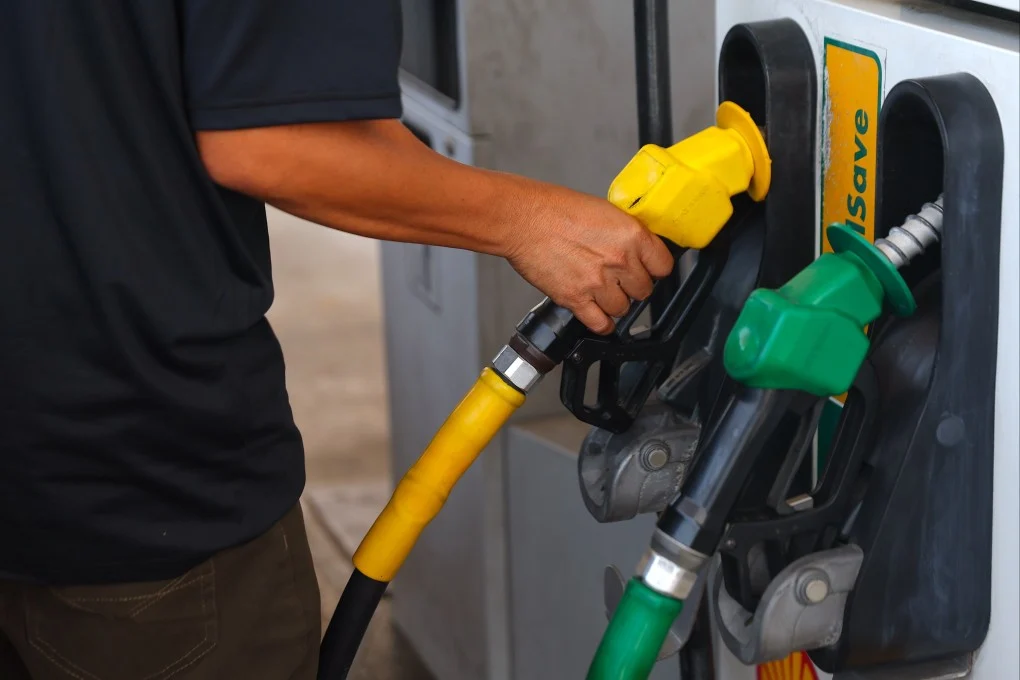
Malaysia is experiencing mounting pressure to broaden the use of biodiesel derived from palm oil, as fuel prices soar due to the ongoing conflict in Iran. The country is grappling with substantial challenges related to increasing government subsidy costs for fuel, placing the government in a difficult position.
Last month, the Malaysian Ministry of Finance reported that fuel subsidy costs could reach 4 billion ringgit (approximately 903 million USD) monthly, intensifying the strain on the national budget. Simultaneously, the Malaysian market faces challenges related to reliance on imported supplies, making it vulnerable to external shocks.
Details of the Situation
Speculation is growing regarding the potential for palm oil biodiesel to serve as a quick alternative to conventional fuels. However, experts indicate that the high infrastructure costs required for producing this type of fuel may hinder swift results. Additionally, the process of expanding biodiesel usage requires a lengthy timeframe, rendering it an impractical option at present.
Attention is focused on how the Malaysian government will address these challenges, particularly amid increasing pressure from citizens suffering from rising living costs. There are also growing calls from industrialists and farmers to enhance the use of biodiesel as a means to bolster the local economy.
Background & Context
Historically, Malaysia is one of the largest producers of palm oil in the world, with this industry playing a vital role in the national economy. However, reliance on palm oil as a biodiesel source necessitates significant investments in infrastructure and technology. In recent years, the country has witnessed a surge in demand for alternative fuels, prompting the government to consider expanding biodiesel usage.
The conflict in Iran has led to an unprecedented increase in global oil prices, directly impacting economies dependent on conventional fuels. In this context, Malaysia is seeking alternative solutions to alleviate the economic pressures arising from rising prices.
Impact & Consequences
If Malaysia can enhance the use of biodiesel, it could reduce dependence on imported fuels, thereby strengthening the country's energy security. However, challenges related to costs and infrastructure may impede these efforts. There are also concerns regarding the environmental impact of increased palm oil production, which could lead to criticism from environmental organizations.
This issue requires a delicate balance between boosting the local economy and preserving the environment. The Malaysian government must consider all factors before making decisions regarding the expansion of biodiesel usage.
Regional Significance
This issue is particularly significant for Arab countries that also depend on imported fuels. Malaysia's experiences in utilizing biodiesel could serve as a model for Arab nations seeking to enhance their energy security and reduce reliance on conventional fuels. Furthermore, cooperation between Arab countries and Malaysia in this field could open new avenues for sustainable development.
In conclusion, the matter of utilizing palm oil biodiesel in Malaysia remains a contentious topic that requires careful examination of the challenges and opportunities. The Malaysian government must take decisive steps to ensure sustainable economic and environmental benefits.