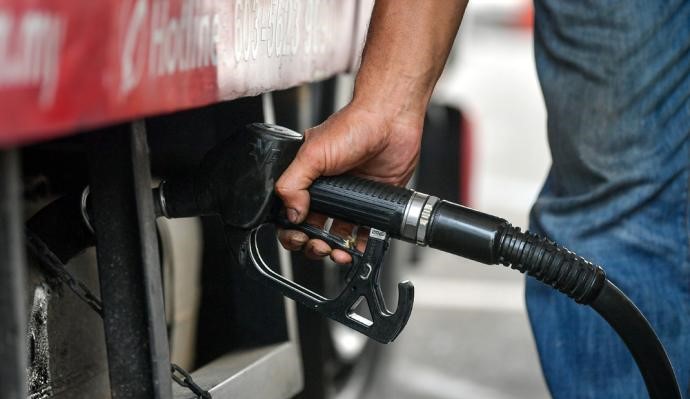
Malaysia is facing significant challenges in maintaining fuel price support, which is considered one of the cornerstones of the Malaysian economy. With the escalation of the conflict in Iran and rising global oil prices, this support is under increasing pressure that could affect the country's financial stability.
The Malaysian government has maintained a price ceiling of RM1.99 (approximately 0.50 USD) per liter for subsidized RON95 fuel, while monthly support costs have risen to RM4 billion, raising concerns about the impact on the national budget.
Event Details
The Malaysian Ministry of Finance reported that support costs have risen significantly, previously being only RM3.2 billion. This increase reflects the pressures arising from soaring global oil prices, with the price of oil per barrel exceeding 100 USD for the first time in several years.
While many Southeast Asian countries are experiencing rising fuel prices, Malaysia continues to maintain low prices, making it an exceptional case in the region. However, this situation may not last long, as the government must make tough decisions regarding support.
Background & Context
Historically, Malaysia has relied on fuel price support as part of its economic policy, with subsidized fuel being a fundamental part of citizens' lives. However, the current global economic situation, including the conflict in Iran, may necessitate radical changes to this policy.
Estimates suggest that Malaysia may need to reassess its support policy, especially with potential elections approaching. Any changes in support could lead to negative reactions from voters, complicating the political situation further.
Impact & Consequences
If the government continues to support fuel prices in this manner, it could exacerbate the fiscal deficit, with support expected to consume about 12% of annual operational and developmental expenditures. This situation could negatively impact economic growth and increase inflationary pressures.
Experts say the government needs to take gradual steps towards price adjustments, rather than maintaining fixed support, which could worsen financial conditions in the long term.
Regional Significance
Arab countries are also affected by fluctuations in global oil prices, as many of these nations rely on oil revenues. Continuous price increases could lead to heightened economic pressures on these countries, necessitating a reevaluation of their financial policies.
Arab nations must be prepared to face challenges arising from global crises, including conflicts in key production areas like Iran.
In conclusion, the Malaysian government must make tough decisions regarding fuel price support, as any changes could significantly impact the country's financial and political stability. Given the current circumstances, it seems that economic challenges will continue to rise, requiring an effective response from the government.