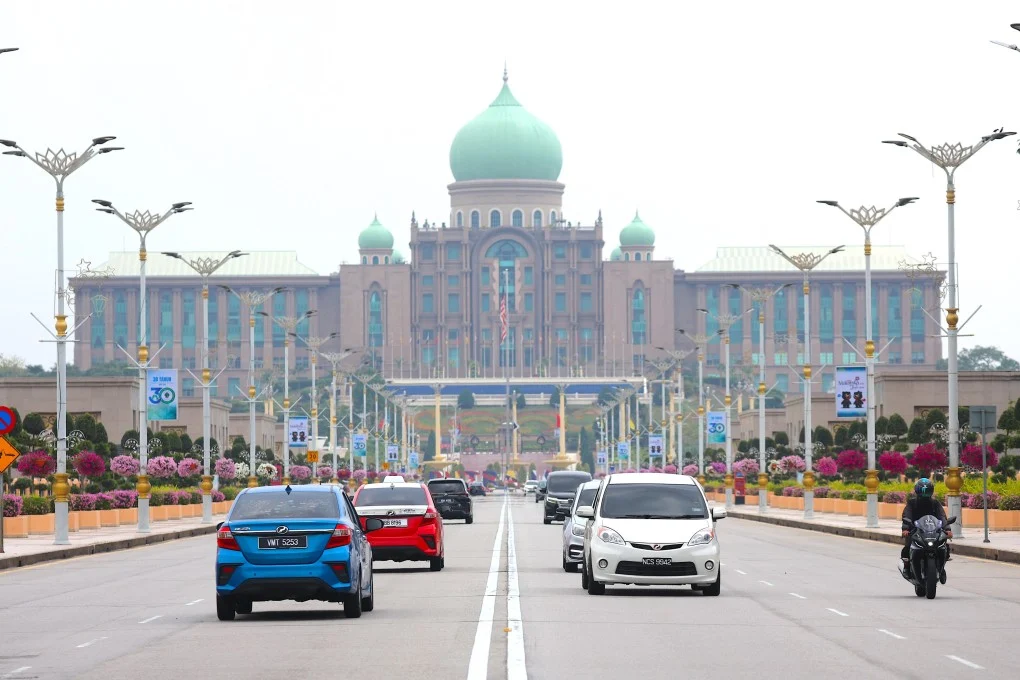
Malaysia is facing a growing energy crisis under the current circumstances, with economic experts warning that the government needs to take swift and urgent actions to prevent further economic deterioration. These warnings come at a time when Malaysia has been somewhat fortunate, as it has not been significantly affected like many Southeast Asian countries, but the situation could change rapidly if the war in Iran persists.
While many of its neighbors are suffering from severe fuel shortages, forcing thousands of drivers to abandon their vehicles, the Malaysian government is under increasing pressure to seek alternative energy sources. Experts have indicated that a rapid response could be crucial in preventing the worsening of the economic crisis.
Details of the Situation
Concerns are rising that the ongoing conflict in Iran could exacerbate the energy crisis in the region, directly impacting fuel prices and increasing pressure on the Malaysian economy. Reports have shown that many governments in Southeast Asia have spent billions of dollars attempting to control prices, further increasing the financial burden on countries already grappling with the ramifications of the crisis.
In this context, the Malaysian government must adopt new strategies to address these crises. These strategies may include boosting investments in renewable energy sources, developing energy infrastructure, and improving energy efficiency across various sectors.
Background & Context
Historically, Malaysia has heavily relied on oil and gas exports, making it vulnerable to global market fluctuations. With rising tensions in the Middle East, it has become essential for Malaysia to reassess its energy strategies. In recent years, there has been an increase in energy demand, necessitating a swift and effective response from the government.
It is noteworthy that the energy crisis is not new to the region, as countries like Indonesia and the Philippines have experienced severe fuel shortages, leading to social and economic disruptions. Therefore, Malaysia needs to learn from its neighbors' experiences and adopt innovative solutions.
Impact & Consequences
If the Malaysian government does not take effective actions, the country may face a severe economic crisis. Rising fuel prices could lead to increased living costs, negatively affecting the poor and middle classes. Furthermore, instability in the energy sector could impact foreign investments, complicating the economic situation further.
It is crucial for the government to collaborate with the private sector and civil society to find sustainable solutions. These solutions could include developing renewable energy projects, such as solar and wind energy, which can provide a sustainable alternative to traditional energy sources.
Regional Significance
The energy crisis in Malaysia serves as an indicator of the challenges that Arab countries may face in the future. With increasing energy demand and climate change, Arab nations might find themselves in a similar position. Therefore, it is essential for Arab countries to prepare for these challenges by diversifying energy sources and enhancing investments in renewable energy.
In conclusion, Malaysia must take serious and swift steps to address the current energy crisis. An effective response can help protect the Malaysian economy from the negative repercussions of regional crises and ensure energy sustainability in the future.