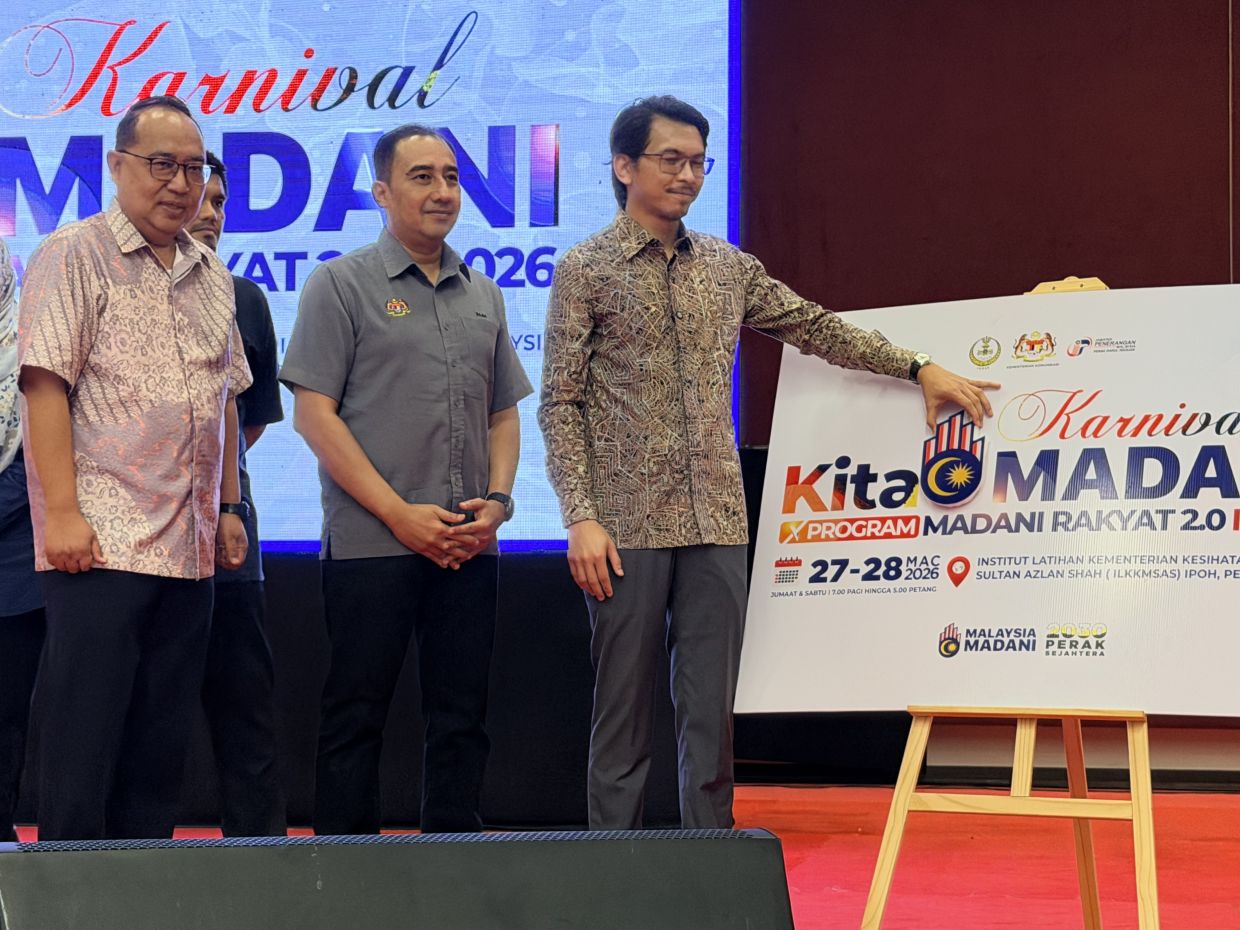
Amid the volatile conditions in the West Asia region, Mohamed Kamel Abdul Moneim, the political secretary of Malaysia's Ministry of Finance, confirmed that the Malaysian government is still capable of bearing the costs of supporting RON95 fuel. This statement was made during his remarks in the city of Ipoh, where he emphasized the importance of being prepared for any changes that may arise in the economic situation.
Abdul Moneim explained that the government is closely monitoring developments in the region and is ready to take necessary measures to ensure the stability of fuel prices in the local market. This statement comes at a time when the world is witnessing a significant rise in oil prices due to geopolitical conflicts, raising concerns among many governments about their ability to continue supporting fuel prices.
Details of the Event
The costs of supporting RON95 fuel are a sensitive issue in Malaysia, as many citizens rely on it for their daily lives. In recent years, the Malaysian government has provided substantial support for fuel, which has helped alleviate the burdens on citizens. However, the ongoing conflict in West Asia could impact global oil prices, potentially placing the government in front of new challenges.
Abdul Moneim confirmed that the government is considering all available options, including the possibility of adjusting the subsidy policy if necessary. He noted that the government seeks to balance supporting citizens while maintaining the financial stability of the state.
Background & Context
Historically, Malaysia has witnessed several changes in fuel subsidy policies, as the government has always aimed to provide support to citizens during times of crisis. With increasing global economic pressures, it has become essential to reassess these policies to ensure their sustainability. Additionally, conflicts in the West Asia region, including those in countries like Syria and Yemen, play a significant role in influencing oil prices.
In recent years, oil prices have experienced sharp fluctuations, impacting the global economy as a whole. As these fluctuations continue, governments around the world, including Malaysia, must make difficult decisions regarding how to handle these situations.
Impact & Consequences
The Malaysian government's ability to bear the costs of supporting RON95 fuel could directly affect citizens' lives. If prices continue to rise, the government may be forced to implement austerity measures, which could increase the financial burdens on families. Furthermore, any changes in the subsidy policy could lead to negative reactions from citizens, potentially affecting political stability in the country.
Moreover, the ongoing conflict in West Asia could lead to increased instability in global markets, which may impact foreign investments in Malaysia. Therefore, the government needs to take proactive steps to ensure the stability of the local economy.
Regional Significance
The situation in Malaysia reflects the challenges faced by many Arab countries amid global economic crises. With rising oil prices, Arab nations, which heavily rely on oil exports, are facing similar challenges. Any changes in subsidy policy in Malaysia could have repercussions for Arab countries that adopt similar support policies.
Thus, monitoring the situation in Malaysia may be of significant importance for Arab nations, as it can provide lessons on how to deal with economic crises and global challenges.